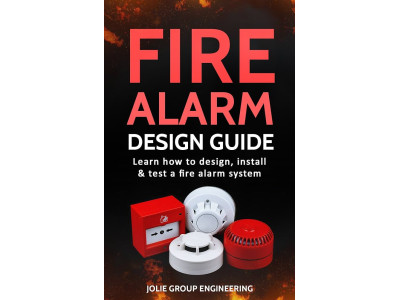

Designing fire and security alarm systems is a critical process that ensures the safety and protection of properties and their occupants. A well-designed system requires careful selection of detectors, robust cable networks, reliable communication methods, effective control devices, and seamless integration with other safety systems. This guide provides a systematic approach to designing fire and security alarm systems, incorporating best practices and compliance with relevant American standards such as NFPA 72 – National Fire Alarm and Signaling Code and the National Electrical Code (NEC).
Designing Fire and Security Alarm Systems
Key Recommendations for System Design
While regulatory standards like NFPA 72 and NEC provide clear guidelines for designing fire and security alarm systems, experienced designers often incorporate additional best practices that enhance system efficiency and reliability. These recommendations can be categorized into several key areas:
- Selection of Fire and Security Detectors
- Cable Networks and Wireless Communication Devices
- Control Devices and Management Equipment
- Integration with Other Systems
1. Selection of Fire and Security Detectors
Fire Detectors
Types of Fire Detectors:
- Smoke Detectors: Photoelectric and ionization types, each suited for different fire detection scenarios.
- Heat Detectors: Fixed temperature and rate-of-rise detectors for environments where smoke detectors may not be ideal.
- Flame Detectors: Specialized detectors for areas with open flames or high-intensity fires.
- Aspirating Smoke Detectors: Advanced detectors for sensitive environments requiring early fire detection.
Addressable vs. Non-Addressable Detectors:
- Addressable Detectors: Each detector has a unique identifier, allowing precise localization of fire incidents. Ideal for large or complex buildings.
- Advantages: Enhanced monitoring, easier scalability, advanced diagnostics.
- Disadvantages: Higher initial cost, more complex installation.
- Non-Addressable (Conventional) Detectors: Treat all detectors uniformly without individual identification. Suitable for smaller or budget-conscious installations.
- Advantages: Lower cost, simpler installation.
- Disadvantages: Limited localization, less flexible scalability.
Economic Considerations:
- Cost-Effectiveness: Addressable systems offer long-term savings through reduced maintenance and enhanced reliability despite higher upfront costs.
- Scalability: Consider future expansion needs when choosing between addressable and non-addressable systems.
Security Detectors
Types of Security Detectors:
- Magnetic Contact Sensors: Monitor doors, windows, gates, and other entry points for unauthorized access.
- Motion Detectors: PIR (Passive Infrared), ultrasonic, and microwave detectors for monitoring movement in designated areas.
- Glass Break Detectors: Detect the sound or vibration of breaking glass, ideal for areas with large windows or glass doors.
- Vibration Detectors: Monitor structural vibrations indicative of forced entry attempts.
Selection Criteria:
- Environmental Suitability: Choose detectors based on the specific environment (e.g., high-traffic areas, sensitive zones).
- Sensitivity and False Alarm Prevention: Select detectors with adjustable sensitivity to minimize false alarms without compromising security.
2. Cable Networks and Wireless Communication Devices
Cable Networks
Types of Cables:
- Fire-Resistant Cables: Essential for maintaining system integrity during a fire. Must comply with NFPA 72 standards for flame propagation and smoke emission.
- Low-Smoke, Halogen-Free (LSFR/HFFR) Cables: Preferred for their minimal smoke and toxic gas emission during combustion.
Cable Routing and Installation:
- Separate Routing: Fire alarm cables must not share conduits, trays, or cable bundles with power or data cables to prevent interference.
- Height Requirements: Install cables at least 7.5 feet above the floor or 4 inches below the ceiling for optimal performance.
- Protection from Damage: Use conduits or protective sleeves in areas where cables may be exposed to physical harm.
- Secure Fastening: Fasten cables securely at regular intervals (every 1 to 1.5 feet) using approved clamps or cable ties to prevent sagging and maintain organization.
Cable Testing and Certification:
- Insulation Resistance Testing: Ensure the electrical integrity of the cable lines through rigorous testing.
- Compliance Verification: Confirm that all cables used are certified and meet NFPA 72 and UL standards.
Wireless Communication Devices
Advantages of Wireless Systems:
- Flexibility: Easier installation in buildings where running cables is impractical or costly.
- Scalability: Simplifies the addition of new detectors without extensive wiring.
Considerations for Wireless Systems:
- Signal Reliability: Ensure robust communication protocols to prevent signal loss or interference.
- Power Supply: Use battery-operated devices with long battery life or integrate with existing power sources where feasible.
- Security: Implement encryption and secure communication methods to prevent unauthorized access or tampering.
3. Control Devices and Management Equipment
Control Panels
Types of Control Panels:
- Conventional Control Panels: Manage non-addressable detectors with predefined zones.
- Addressable Control Panels: Interface with addressable detectors, offering precise control and monitoring capabilities.
Selection Criteria:
- Capacity: Choose a control panel that can handle the current and future number of detectors and devices.
- Integration Capabilities: Ensure compatibility with other systems such as access control, video surveillance, and building management systems.
- User Interface: Opt for panels with intuitive interfaces for ease of use and maintenance.
Management Software
Features:
- Monitoring and Alerts: Real-time monitoring of system status and instant alerts in case of incidents.
- Reporting: Generate detailed reports on system performance, test results, and maintenance activities.
- Remote Access: Allow authorized personnel to manage and monitor the system remotely.
Security Considerations:
- Access Control: Implement role-based access to restrict system management to authorized users.
- Data Protection: Ensure that all transmitted and stored data is encrypted and secure from unauthorized access.
4. Integration with Other Systems
Benefits of Integration
- Enhanced Security: Combining fire alarm systems with security alarms, access control, and surveillance systems provides comprehensive protection.
- Improved Response Times: Integrated systems can coordinate alerts and actions, enabling faster and more effective responses to incidents.
- Operational Efficiency: Streamlined management through unified control interfaces reduces complexity and improves system maintenance.
Integration Strategies
- Unified Control Panels: Use control panels that support multiple systems, allowing centralized management and monitoring.
- Communication Protocols: Employ standardized communication protocols (e.g., BACnet, Modbus) to ensure seamless interoperability between different systems.
- Automation: Implement automated responses, such as activating alarms, locking doors, or initiating fire suppression measures based on specific triggers.
Challenges and Solutions
- Compatibility Issues: Ensure all integrated systems adhere to compatible standards and protocols to prevent communication breakdowns.
- System Complexity: Simplify system design by using modular components and scalable architectures to manage complexity effectively.
- Maintenance Coordination: Establish coordinated maintenance schedules and procedures to ensure all integrated systems remain functional and up-to-date.
Compliance with Standards and Regulations
Relevant Standards:
- NFPA 72 – National Fire Alarm and Signaling Code: Governs the design, installation, and maintenance of fire alarm systems.
- National Electrical Code (NEC): Regulates the electrical aspects of fire alarm system installations.
- UL Standards: Provide safety and performance requirements for fire alarm devices and components.
- Local Building Codes: Additional requirements specific to your locality must also be adhered to for compliance and safety.
Key Compliance Points:
- Detector Placement: Follow guidelines for placement distances from ceilings, walls, and each other to ensure optimal detection.
- Cable Routing: Maintain required separations from power lines and other potential sources of interference.
- System Integration: Ensure all detectors and devices are correctly integrated with the central control panel for coordinated alerting.
- Documentation and Certification: Keep detailed records of installations, testing, and compliance certifications to validate adherence to standards.
Final Thoughts
Designing effective fire and security alarm systems requires a meticulous approach that balances regulatory compliance, practical installation considerations, and future scalability. By carefully selecting appropriate detectors, implementing robust cable networks or reliable wireless communication, utilizing advanced control devices, and ensuring seamless integration with other safety systems, you can create a comprehensive protection solution that safeguards property and lives.
Key Takeaways:
- Strategic Detector Selection: Choose the right types of detectors based on environmental needs and system design (addressable vs. non-addressable).
- Robust Cable Networks: Implement fire-resistant cables with proper routing, separation from power lines, and secure fastening to maintain system integrity.
- Reliable Communication: Decide between wired and wireless communication methods based on building layout, budget, and scalability requirements.
- Effective Control Devices: Utilize advanced control panels and management software for centralized monitoring and management.
- Seamless Integration: Integrate fire alarm systems with other security and safety systems to enhance overall protection and response capabilities.
- Compliance with Standards: Adhere strictly to NFPA 72, NEC, and other relevant standards to ensure system legality, effectiveness, and reliability.
- Professional Expertise: Engage certified fire protection engineers and installers to design and implement systems that meet all safety and regulatory requirements.
- Ongoing Maintenance: Implement regular maintenance and testing protocols to sustain system performance and compliance over time.
For expert assistance in designing fire and security alarm systems, selecting appropriate detectors, or accessing comprehensive project documentation, visit safsale.com. Our specialists are ready to help you create and implement reliable, compliant, and effective fire and security alarm systems tailored to your specific needs.