
What Is Electrical Grounding and Why Does It Matter?
Electrical grounding is a safety system that connects metal parts of electrical devices and installations to the ground. This prevents dangerous voltage buildup and protects people and appliances from electric shock or damage.
Why Do You Need Grounding?
✔ Prevents electric shock - Stops electrical current from passing through your body.
✔ Triggers circuit breakers - Automatically shuts off power during a short circuit.
✔ Protects appliances - Prevents electrical surges and equipment malfunctions.
✔ Ensures stable performance - Reduces interference and improves the reliability of electronics.
With modern homes full of electrical appliances, proper grounding is a must for safety and efficiency. Over 80% of household electrical accidents are linked to improper or missing grounding.
How Does Grounding Work?
In a grounded system, metal parts of appliances and electrical panels are connected to the ground through a dedicated grounding wire. If a fault occurs (such as damaged insulation or a live wire touching metal), the electricity safely flows into the ground instead of shocking a person.
Example:
Imagine a washing machine develops a short circuit inside. Without grounding, if you touch it, the electricity could pass through you to the ground, causing a severe shock.
With grounding, the excess electricity flows through the ground wire, immediately triggering the breaker to cut power before it reaches dangerous levels.
Main Functions of Electrical Grounding
1. Shock Protection
Grounding prevents metal appliances and fixtures from becoming energized. If a fault occurs, the current flows through the ground wire instead of through a person.
2. Overvoltage Protection
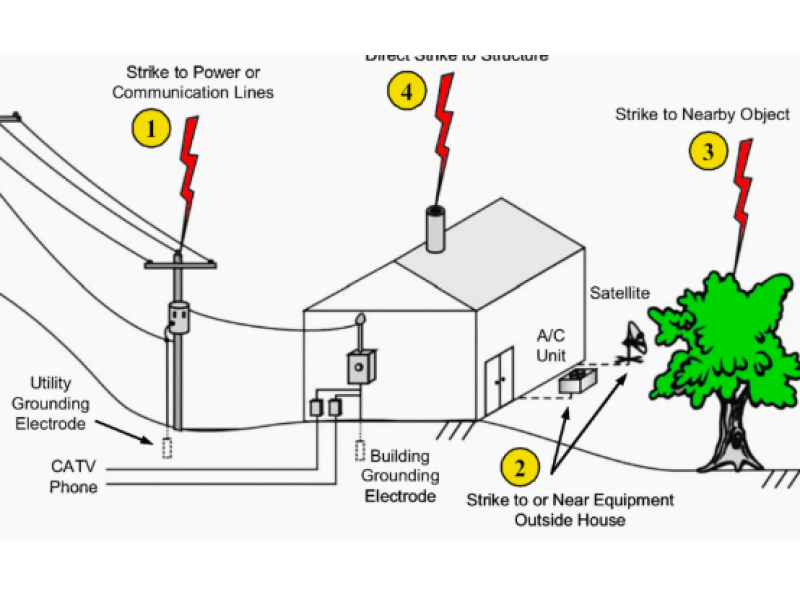
Power surges, lightning strikes, and static charges are safely dispersed into the earth, protecting electronics from damage.
3. Improved Device Performance
Modern electronics, such as computers and medical equipment, require stable electrical conditions. Grounding helps reduce interference and ensures consistent operation.
4. Fire Prevention
Uncontrolled electrical faults can cause wiring to overheat, leading to fires. Proper grounding eliminates excessive heat buildup and reduces this risk.
Types of Electrical Grounding Systems
There are several methods of grounding, depending on the type of electrical system and location.
| System Type | Description | Common Use |
|---|---|---|
| TN-C | Uses a single conductor (PEN) for both neutral and grounding. Outdated and unsafe. | Old buildings, requires upgrades |
| TN-S | Separate neutral (N) and ground (PE) conductors for better safety. | Modern homes and commercial buildings |
| TN-C-S | A mix of TN-C and TN-S, initially using PEN but later splitting into N and PE. | Retrofitting old electrical systems |
| IT & TT Systems | Used in industrial and specialized settings. | Factories, hospitals, and high-risk environments |
Most new homes use a TN-S system, as it provides the best safety and compatibility with GFCI outlets.
Key Components of a Grounding System
✔ Grounding Rod (Electrode) - A metal rod buried in the ground to dissipate electrical currents safely.
✔ Grounding Wire (PE Conductor) - Connects outlets and appliances to the grounding system.
✔ Grounding Bus Bar - A central connection point for all ground wires in the electrical panel.
✔ Main Grounding System - The network of conductors that links all grounded devices.
A properly installed system reduces electrical hazards and ensures compliance with safety regulations.
How to Install a Grounding System at Home
1. Choose the Right Grounding Electrode
✔ Ground rods must be at least 8 feet deep for effective grounding.
✔ Soil conditions affect performance-moist, clay-heavy soil works best.
2. Use Proper Grounding Conductors
✔ Must be copper or aluminum, with an appropriate gauge for system amperage.
✔ Securely connect to all outlets, appliances, and circuit breakers.
3. Bonding to Other Metal Systems
✔ Grounding must include plumbing pipes, metal structures, and HVAC systems.
✔ This ensures equal potential and prevents accidental shocks.
4. Regular Maintenance & Inspections
✔ Check for corroded ground wires and loose connections.
✔ Test resistance using a grounding tester-should be under 25 ohms for best results.
Common Grounding Problems and Fixes
Broken or Loose Ground Wires
✔ Inspect and tighten or replace damaged conductors.
Shallow or Improper Grounding Rods
✔ Ensure rods are driven at least 8 feet deep.
✔ If soil is dry or rocky, install multiple rods spaced 6 feet apart.
Old Homes Without Grounding
✔ Older buildings may lack dedicated ground wires.
✔ Upgrade the system with new grounding rods and wiring.
Unsafe Grounding Through Water Pipes
✔ NEVER rely on indoor plumbing pipes for grounding.
✔ Always use proper grounding rods or grounding plates.
Grounding System Safety Guidelines
✔ Use Ground Fault Circuit Interrupters (GFCIs) in bathrooms, kitchens, and outdoor outlets.
✔ Install surge protectors for sensitive electronics.
✔ Label all ground wires clearly in the electrical panel.
✔ Ensure proper bonding between all metal systems to prevent stray voltage.
⚠ Warning: Improper grounding can cause electric shocks, appliance failure, and fire hazards. Always follow safety codes and consult an electrician for major upgrades.
Final Thoughts
A well-installed grounding system is a critical component of home electrical safety.
✔ Protects people from electrical shocks.
✔ Shields appliances from surges and faults.
✔ Prevents fires caused by electrical malfunctions.
If you’re upgrading your home’s electrical system or need quality grounding supplies, visit safsale.com for expert solutions!
Need more guidance? Follow safsale.com for professional electrical safety tips and installation guides!