
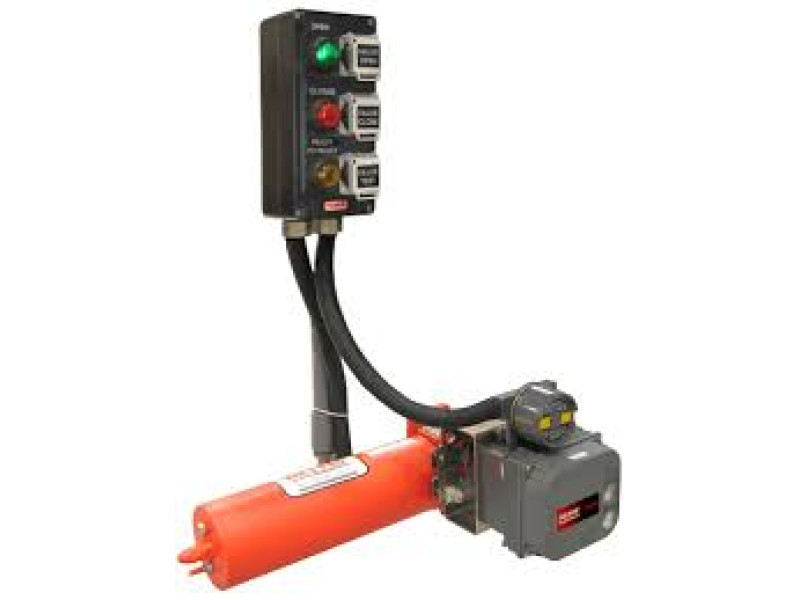
Protective Shutdown of Electrical Systems
What Is Protective Electrical Shutdown?
Protective electrical shutdown refers to the automatic disconnection of power in case of fault conditions to prevent damage to electrical equipment and ensure personal safety. This system detects short circuits, overloads, and current leakage, immediately cutting off power to prevent fires and electric shocks.
🔹 Where Is It Used?
✔ Residential electrical panels
✔ Industrial power distribution systems
✔ HVAC and critical infrastructure
Why Protective Shutdown Is Important
✅ Prevents electrical fires caused by overloads or faulty wiring
✅ Protects against electrocution by detecting ground faults
✅ Ensures equipment safety by preventing voltage spikes and short circuits
⚡ What Triggers a Shutdown?
1️⃣ Short circuits - Causes high current flow, requiring instant power cutoff
2️⃣ Overloads - Sustained excessive current flow leading to overheating
3️⃣ Ground faults (leakage currents) - Electricity flows where it shouldn't (e.g., through a human body)
4️⃣ Voltage irregularities - Too high or too low voltage affecting electrical devices
Types of Protective Shutdown Devices
1️⃣ Circuit Breakers (CBs) - Overload & Short Circuit Protection
📌 Function: Automatically disconnects power when excessive current is detected.
Types of Circuit Breakers:
✔ Standard Circuit Breakers - Used in household and industrial electrical panels.
✔ Miniature Circuit Breakers (MCB) - Protects individual circuits in homes.
✔ Molded Case Circuit Breakers (MCCB) - Used for higher current ratings in commercial and industrial setups.
✔ Air, Vacuum, and Oil Circuit Breakers - Used in high-voltage applications for rapid disconnection.
💡 How It Works:
A circuit breaker detects a current spike and automatically trips, cutting off the electrical flow to prevent damage.
2️⃣ Ground Fault Circuit Interrupters (GFCI / RCD) - Electrocution Protection
📌 Function: Detects current leakage (ground faults) and shuts down power in milliseconds to prevent shocks.
🔹 Where Are GFCIs Used?
✔ Bathrooms, kitchens, outdoor outlets
✔ Wet environments (pools, basements)
✔ Industrial electrical systems
💡 How It Works:
If electricity starts leaking through an unintended path (e.g., water or a person), the GFCI trips instantly to cut off power.
3️⃣ Residual Current Breakers (RCB) - Fire Prevention & Shock Protection
📌 Function: Protects against leakage currents, similar to GFCIs but designed for higher power applications.
🔹 Used in:
✔ Commercial buildings
✔ Industrial machinery
✔ Hospitals and data centers
💡 How It Works:
Monitors current flow and trips power if an imbalance (current leakage) is detected.
4️⃣ Arc Fault Circuit Interrupters (AFCI) - Fire Prevention
📌 Function: Detects arcing faults that occur due to damaged wires and prevents electrical fires.
🔹 Common Uses:
✔ Bedrooms, living rooms (per NEC code)
✔ Older homes with aged wiring
✔ Offices and commercial buildings
💡 How It Works:
Monitors electrical patterns and shuts off power if sparking or arcing is detected, reducing the risk of fire.
5️⃣ Voltage Monitoring Relays - Protecting Equipment from Overvoltage & Undervoltage
📌 Function: Prevents damage to electrical devices due to power surges, voltage drops, and phase imbalances.
🔹 Where Are They Used?
✔ Industrial automation systems
✔ HVAC units, large motors, and medical equipment
💡 How It Works:
Shuts down power if voltage fluctuations exceed safe limits, preventing damage to sensitive electronics.
Comparison of Shutdown Devices
| Device | Protects Against | Typical Use Case |
|---|---|---|
| Circuit Breaker (CB) | Overloads, short circuits | Residential, industrial panels |
| GFCI (Ground Fault Interrupter) | Electrical shocks, ground faults | Kitchens, bathrooms, outdoor outlets |
| AFCI (Arc Fault Interrupter) | Electrical fires (wiring faults) | Bedrooms, living rooms |
| Voltage Relay | Overvoltage, undervoltage | Industrial, HVAC, power systems |
How to Choose the Right Protective Device
🔹 For Homeowners:
- Install GFCIs in bathrooms, kitchens, and outdoor areas
- Use AFCIs in living spaces and bedrooms
- Use MCBs (Miniature Circuit Breakers) for basic short-circuit protection
🔹 For Industrial Use:
- Use MCCBs for high-power equipment
- Install Residual Current Breakers (RCBs) for fire prevention
- Install Voltage Relays to protect against power surges
FAQ: Protective Electrical Shutdown
1️⃣ Why does my circuit breaker keep tripping?
✔ Possible reasons:
1️⃣ Overload - Too many devices plugged into one circuit
2️⃣ Short circuit - Faulty wiring or damaged electrical components
3️⃣ Ground fault - Leakage current (especially in wet areas)
🔹 Solution: Identify overloaded circuits and unplug excess devices.
2️⃣ Can I replace a circuit breaker with a GFCI?
✅ Yes, but it depends on the circuit.
✔ GFCI protects against electrocution (ideal for wet areas).
✔ Circuit breakers protect against overloads and short circuits.
3️⃣ Is an AFCI necessary for my home?
✅ Yes, per National Electrical Code (NEC), AFCIs are required in bedrooms, living rooms, and common areas to prevent electrical fires.
4️⃣ How fast does a GFCI shut off power?
⚡ Within milliseconds! A GFCI cuts off power in less than 1/40th of a second if a ground fault is detected.
5️⃣ Do I need surge protection along with circuit breakers?
✅ Yes! Circuit breakers don't protect against power surges. Use surge protectors or voltage monitoring relays for computers, HVAC, and sensitive electronics.
Final Thoughts: Electrical Safety First
Protective shutdown devices like circuit breakers, GFCIs, and AFCIs are critical for preventing electrical fires and shocks.
🔹 Key Takeaways:
✔ Use GFCIs in wet areas
✔ Install AFCIs for fire protection
✔ Use circuit breakers to prevent overloads and short circuits
✔ Use voltage relays to protect against power surges
⚡ Always prioritize safety and consult a licensed electrician for proper installation!