Fire and Security Alarm Systems: Installation and Equipment

Fire and Security Alarm Systems: Key Insights

Understanding Fire and Security Alarm Systems

A fire and security alarm system (F&S) is a sophisticated setup designed to detect emergencies like unauthorized access or potential fires and to alert property owners promptly. These systems blend technology with practicality to ensure both detection and prevention.


Core Functions

  1. Intrusion Detection:
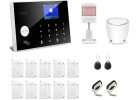
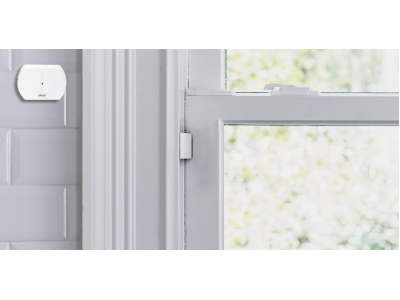
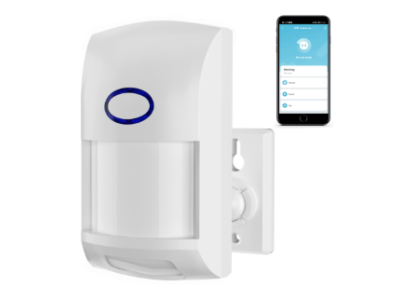
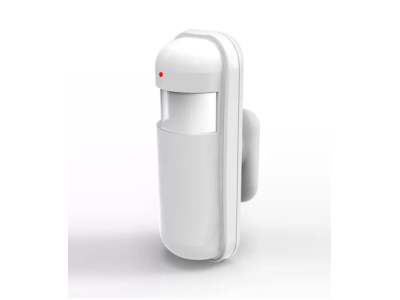
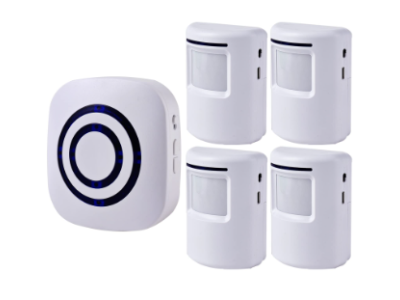
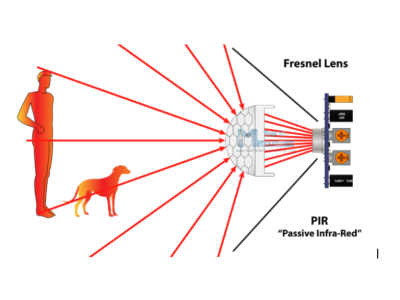
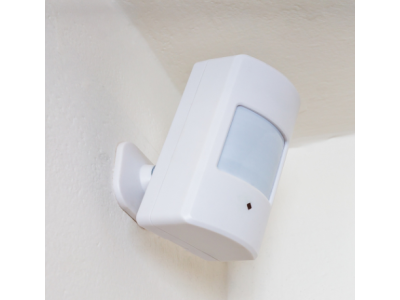
    Using motion sensors, door/window alarms, and other tools, these systems monitor and alert about unauthorized access.

  2. Fire Hazard Detection:
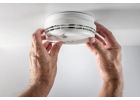
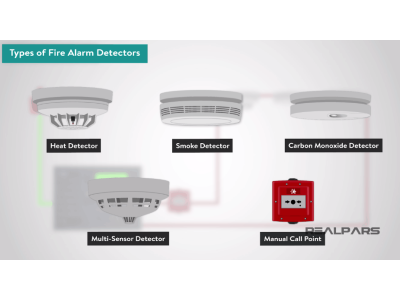
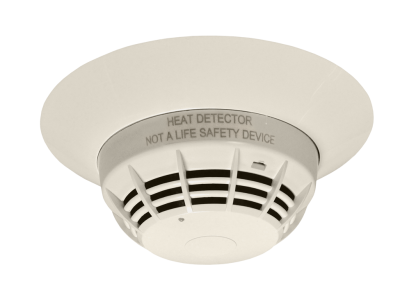
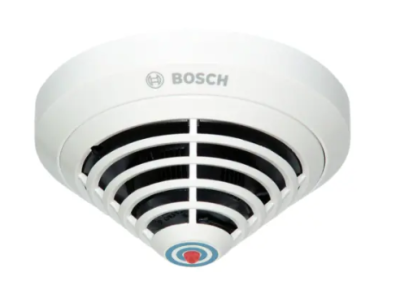
    Smoke, flame, and heat sensors work collaboratively to identify fire risks and trigger alarms early, minimizing damage.

For instance, office spaces often utilize smoke detectors, while industrial settings may rely on flame detectors for their fire safety protocols.


Steps for Installation

1. Equipment Setup:
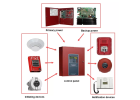
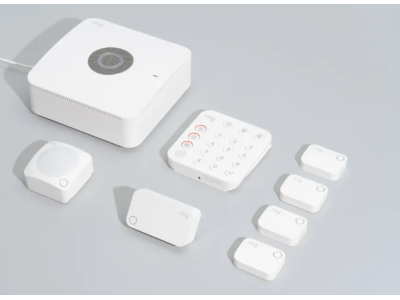
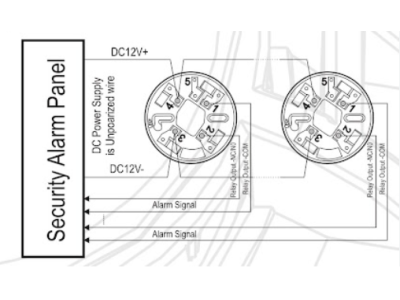
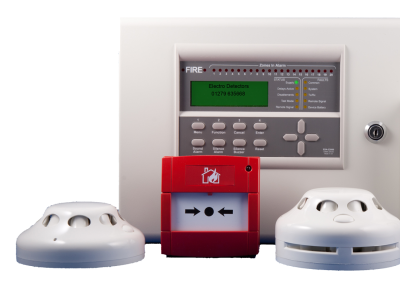
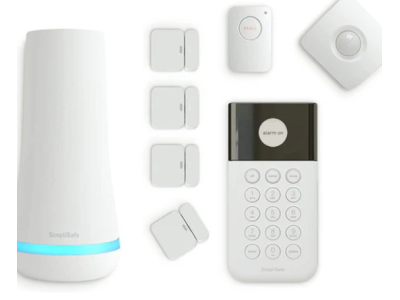
The system comprises sensors, control panels, sirens, wiring, and power systems.

2. Installation Process:
This includes placing sensors at strategic locations, connecting all components, and configuring the control unit for seamless operation.


What to Consider During Installation

  • Placement of Sensors: Strategic installation ensures maximum area coverage.
  • Wiring Standards: Fire-resistant cables maintain operation during emergencies.
  • Compatibility of Components: Ensure all devices, from sensors to alarms, are synchronized for efficient functioning.

Key Equipment in Fire and Security Systems

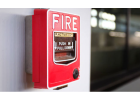
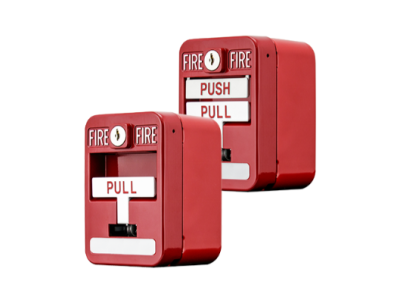
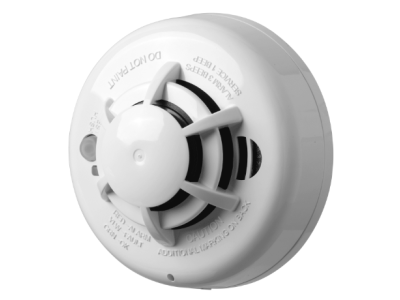
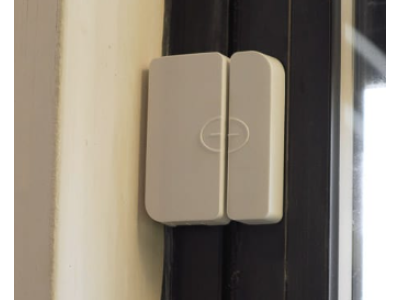
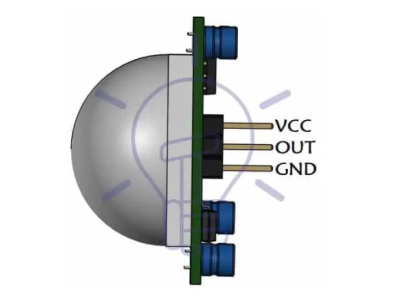
  1. Detectors: Smoke, heat, motion, and flame detectors tailored to specific needs.
  2. Control Units: The system's central processor for managing and responding to alerts.
  3. Alarm Systems: Sirens and flashing lights to warn occupants effectively.
  4. Power Sources: Uninterrupted power supplies (UPS) to keep the system functional even during outages.

Modern Technology Options

  1. Wired Systems: Reliable but involve extensive cabling.
  2. Wireless Systems: Offer greater flexibility, ideal for contemporary buildings or temporary setups.

Basic vs. Advanced Systems

Threshold Systems:

  • Simplified alerts (e.g., "Normal" or "Alarm").
  • Best for small-scale operations.

Addressable Systems:

  • Pinpoint activations to specific devices.
  • Perfect for large or high-security facilities.

Leading Manufacturers

  • Granite: Simple, reliable, and affordable for smaller systems.
  • Bolid: High-tech, addressable systems suitable for complex setups, known for ease of installation and advanced features.

Why Invest in Fire and Security Systems?

Fire and security alarm systems are essential for:

  • Enhanced Safety: Early alerts can save lives and assets.
  • Legal Compliance: Aligns with safety regulations for businesses and residences.
  • Peace of Mind: Comprehensive protection, especially with tailored solutions like those available at safsale.com.

Start protecting your property today with reliable, efficient fire and security systems.


Radio-Wave Security Sensors: Types, Installation & Best Uses
14/01/2025 96
Radio-Wave Security Sensors: Types, Installation & Best Uses
Radio-wave (microwave) security sensors use the Doppler effect to detect movement in protected areas. While less common than infrared (PIR) detectors, they excel in certain environments where light interference or heat currents might cause false alarms for IR sensors. Below, we’ll discuss the advant..
Surface Security Sensors: Acoustic, Vibration & IR Curtain Types
14/01/2025 88
Surface Security Sensors: Acoustic, Vibration & IR Curtain Types
Surface (plane) security sensors are specialized devices used exclusively in security alarm systems. Unlike volumetric sensors (motion detectors) or linear beam sensors (perimeter IR beams), these detectors focus on monitoring a specific plane—like a wall, window, or door—to detect attempts at force..
Magnetic Contact Sensors: Key Features, Types & Installation
14/01/2025 88
Magnetic Contact Sensors: Key Features, Types & Installation
Magnetic contact sensors (often called “reed switches” or “magnetic switches”) are point detectors that monitor the opening of doors, windows, hatches, gates, and more. They’re essential in security alarm systems for detecting non-destructive entry attempts. Below, we’ll explore their basic principl..
Combined & Integrated Security Sensors: Boosting Detection & Reducing False Alarms
14/01/2025 91
Combined & Integrated Security Sensors: Boosting Detection & Reducing False Alarms
In a modern security alarm system, a single sensor type can struggle to maintain reliability and low false alarms under different conditions. That’s where combined and integrated security sensors come in—units that merge two or more detection technologies (e.g., infrared + microwave) or house multip..
Acoustic (Glass-Break) Detectors in Security Alarms: Key Features & Installation
14/01/2025 88
Acoustic (Glass-Break) Detectors in Security Alarms: Key Features & Installation
Acoustic (sound-based) security sensors—often called glass-break detectors—are engineered to detect the shattering of glass in windows, storefronts, or decorative doors. Unlike motion sensors or magnetic contacts, acoustic detectors rely on analyzing specific sound frequencies generated by breaking ..
Vibration Detectors for Security Alarms: Types, Installation & Use
14/01/2025 86
Vibration Detectors for Security Alarms: Types, Installation & Use
Vibration detectors (sometimes called shock sensors) specialize in identifying break-in attempts through destructive means—such as drilling, hammering, or smashing walls and doors. Often placed on walls, safes, grates, or perimeter fences, these sensors “feel” the vibrations from an intruder’s physi..
Security Alarm Sensors: Types, Installation & Wiring Tips
14/01/2025 107
Security Alarm Sensors: Types, Installation & Wiring Tips
Security alarm systems rely on intrusion detectors (often called security sensors) to sense threats like forced openings, glass breakage, drilling, or unauthorized movement. These sensors come in a wide variety of forms, each suited to specific applications: doors, windows, walls, or open areas. Bel..
Security & Fire Alarm Detectors: Types, Classifications & Key Features
14/01/2025 92
Security & Fire Alarm Detectors: Types, Classifications & Key Features
Security and fire alarm systems (collectively called “OPS” in some regions) depend on detectors (or “sensors”) to identify threats—be it intrusion, fire, or other emergencies. These sensors come in numerous types, each designed to detect specific risk factors (e.g., motion, temperature increase, smo..
Heat Detectors in Fire Alarm Systems: Installation & Wiring
14/01/2025 83
Heat Detectors in Fire Alarm Systems: Installation & Wiring
In fire alarm systems, heat detectors identify a potential fire by monitoring significant temperature changes. They come in two primary categories:Maximum (Fixed-Temperature)Activates at a specified temperature threshold.Rate-of-Rise (Differential)Monitors how quickly the temperature climbs, trigger..
Manual Fire Alarm Pull Stations: Types and Installation Essentials
14/01/2025 76
Manual Fire Alarm Pull Stations: Types and Installation Essentials
Commonly referred to as a “fire alarm button,” the manual pull station serves as a direct, human-operated detector in a fire alarm system. Despite the informal name, these devices are technically called “manual fire alarm boxes” (in the US) or “manual call points.” By pressing, pulling, or sliding a..
Smoke Detectors in Fire Systems: Wired, Wireless & Standalone
14/01/2025 75
Smoke Detectors in Fire Systems: Wired, Wireless & Standalone
A smoke detector in a fire alarm system monitors changes in the optical density of the air—i.e., how “cloudy” the air becomes with smoke. Once the concentration surpasses a set threshold, the detector signals the fire alarm control panel (FACP) or triggers an onboard siren if it’s a standalone model..
Types of Fire Alarm Detectors: Zones, Detection Principles, and Signal Methods
14/01/2025 73
Types of Fire Alarm Detectors: Zones, Detection Principles, and Signal Methods
Fire alarm systems rely on detectors (sometimes called “fire alarm sensors” or “fire alarm initiating devices”) to identify early signs of a possible blaze. Detectors are commonly categorized by:Detection Principle: Smoke, Heat, or FlameZone of Detection: Spot (point), Linear, or VolumetricMethod of..
Smoke & Heat Detectors for Fire Alarm Systems
14/01/2025 79
Smoke & Heat Detectors for Fire Alarm Systems
Fire alarm systems hinge on specialized sensors—often called “detectors”—that look for early signs of a blaze: heat, smoke, or open flame. These sensors are also critical in automatic fire suppression setups. While there are multiple detector types, the most common are:Smoke DetectorsHeat DetectorsF..
Glass-Break Sensors: Acoustic Detection, Installation & Best Practices
14/01/2025 74
Glass-Break Sensors: Acoustic Detection, Installation & Best Practices
Protecting windows against break-ins can be challenging—especially since intruders often focus on smashing or removing glass to gain access. Acoustic glass-break sensors detect the unique sound profile of shattering windows, triggering alarms at the first sign of forced entry. While older methods re..
Wireless Alarm Sensors for Motion, GSM, and Fire Detection
14/01/2025 85
Wireless Alarm Sensors for Motion, GSM, and Fire Detection
Wireless sensors (often referred to as “wireless detectors”) play a critical role in both security and fire alarm systems. While they’re more prevalent in security setups—especially for residential and commercial intrusion detection—they are also used for smoke and heat detection in fire safety. Thi..
Volumetric Security Sensors: Infrared, Ultrasonic, and Microwave
14/01/2025 75
Volumetric Security Sensors: Infrared, Ultrasonic, and Microwave
IntroductionIn security systems, the term “volumetric sensor” is somewhat misleading, since these devices do not measure volume per se. Instead, they detect movement within a predefined three-dimensional space (often with a 90° coverage angle, both horizontally and vertically). Essentially, a “volum..
Choosing Wired vs. Wireless Sensors for GSM Alarm Systems
14/01/2025 79
Choosing Wired vs. Wireless Sensors for GSM Alarm Systems
IntroductionA GSM alarm system typically includes a control panel plus various sensors to detect threats such as motion, door openings, glass breakage, or smoke. While many of these sensors resemble those found in standard (non-GSM) alarm setups, the key difference is that all alerts route through c..
Door Alarm Sensors: Detecting Opening and Break-Ins
14/01/2025 88
Door Alarm Sensors: Detecting Opening and Break-Ins
Why Your Door Needs a Dedicated Alarm SensorIn the United States, doors remain one of the most common points of unauthorized entry. When protecting any property—be it a home, office, or warehouse—securing your front door or other external doors is crucial. In alarm-system planning, professionals con..
Wireless Motion Sensors for Security Systems: GSM & Outdoor Applications
14/01/2025 75
Wireless Motion Sensors for Security Systems: GSM & Outdoor Applications
Why Choose a Wireless Motion Detector?Wireless motion sensors (often infrared-based) have become a go-to option in modern security design. By eliminating cables, you’ll enjoy simpler installation, a more discreet appearance, and greater flexibility in sensor placement—both indoors and outdoors. Alth..
Infrared Motion Sensors: Operation, Applications, and Lighting Control
14/01/2025 69
Infrared Motion Sensors: Operation, Applications, and Lighting Control
How Infrared (IR) Motion Sensors WorkInfrared (IR) motion sensors are among the most common devices for detecting movement and triggering responses, whether in security systems or in lighting control. Although their final purposes may vary—activating an alarm vs. turning on a light—the operational p..
How Motion Sensors Work: Key Principles and Practical Uses
14/01/2025 78
How Motion Sensors Work: Key Principles and Practical Uses
How Motion Sensors WorkFrom home security to automated lighting and industrial processes, motion sensors play a critical role in detecting moving objects—most notably people. While they come in different types, the core function is to pick up changes in a particular range of signals (infrared, micro..
Motion Detectors for Security Systems: A Comprehensive Guide
14/01/2025 73
Motion Detectors for Security Systems: A Comprehensive Guide
Motion Detectors in Security SystemsMotion sensors (or “motion detectors”) are crucial components in modern security setups. They activate alerts upon detecting movement within a designated area—whether it’s the entire volume of a room, a narrow “curtain” zone along a perimeter, or a linear beam cro..
Security Alarm Sensors: Types & Proper Installation
14/01/2025 72
Security Alarm Sensors: Types & Proper Installation
Security Alarm Sensors: Types, Principles, and InstallationIn the United States, safeguarding homes, offices, and commercial facilities against intrusions is a high priority. At safsale.com, we’ve noticed that a well-chosen combination of security alarm sensors can provide peace of mind for any prop..
Advanced Intrusion & Fire Detection Sensors for Comprehensive Safety
14/01/2025 68
Advanced Intrusion & Fire Detection Sensors for Comprehensive Safety
In the United States, safeguarding properties against both unauthorized entry and fire outbreaks is a primary concern for homeowners, commercial enterprises, and public institutions alike. At safsale.com, we offer a wide selection of intrusion and fire alarm sensors (often referred to as OPS detecto..
Showing 25 to 48 of 132 (6 Pages)