
Electrical Equipment and Power Line Protection: Types and Devices
Why Electrical Protection Matters
Electrical systems are exposed to various risks, including short circuits, overloads, voltage fluctuations, and power surges. Without proper protection, these issues can damage equipment, cause fires, or even endanger human lives.
Electrical protection devices are designed to:
✔ Prevent equipment damage
✔ Ensure electrical safety
✔ Minimize power failures
✔ Protect human lives from electrical hazards
Types of Electrical Protection Systems
1️⃣ Overcurrent Protection
🔹 Purpose: Detects excessive current that exceeds normal levels.
🔹 How it works: Disconnects the faulty circuit when an overload or short circuit occurs.
✅ Common Overcurrent Protection Devices:
- Miniature Circuit Breakers (MCBs) - Protect home wiring from overloads and short circuits.
- Molded Case Circuit Breakers (MCCBs) - Used in commercial and industrial systems for higher power ratings.
- High-voltage Relays - Protect power grids and transmission lines.
2️⃣ Thermal Protection
🔹 Purpose: Prevents overheating due to continuous small overloads that do not trigger overcurrent protection.
🔹 How it works: Uses thermal sensors that disconnect the circuit when a temperature threshold is exceeded.
✅ Common Thermal Protection Devices:
- Thermal overload relays - Used in electric motors to prevent overheating.
- Thermal circuit breakers - React to heat buildup from prolonged overloading.
3️⃣ Differential Protection
🔹 Purpose: Detects differences in current flow between input and output terminals, preventing electrical hazards.
🔹 How it works: If there’s an imbalance, the device shuts off power to prevent shocks and fires.
✅ Common Differential Protection Devices:
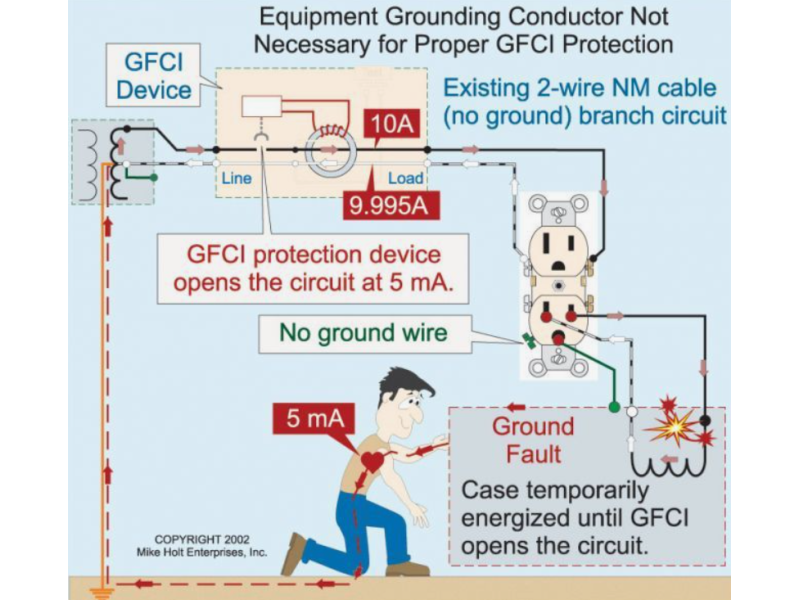
- Residual Current Devices (RCDs, GFCIs in the US) - Protect humans from electric shock.
- Residual Current Breakers with Overcurrent (RCBOs) - Combine shock and overload protection.
- Differential relays - Used in power transformers and generators.
4️⃣ Surge Protection (Overvoltage Protection)
🔹 Purpose: Prevents damage from voltage spikes and lightning strikes.
🔹 How it works: Absorbs or redirects excess voltage to protect sensitive devices.
✅ Common Surge Protection Devices:
- Surge Protective Devices (SPDs) - Installed in power panels and outlets.
- Metal Oxide Varistors (MOVs) - Absorb and dissipate high-voltage spikes.
- Gas Discharge Tubes (GDTs) - Used in industrial surge protection.
5️⃣ Ground Fault Protection
🔹 Purpose: Detects current leakage to prevent electrical shocks and fire hazards.
🔹 How it works: Monitors unexpected current paths and shuts down power if necessary.
✅ Common Ground Fault Protection Devices:
- Ground Fault Circuit Interrupters (GFCIs) - Protect bathrooms, kitchens, and outdoor outlets.
- Earth Fault Relays - Used in industrial electrical systems.
6️⃣ Arc Fault Protection
🔹 Purpose: Prevents fires caused by loose connections or damaged wiring.
🔹 How it works: Detects arc faults and shuts off power before a fire starts.
✅ Common Arc Fault Protection Devices:
- Arc Fault Circuit Interrupters (AFCIs) - Required in residential and commercial buildings.
- Arc detection relays - Used in power substations and large industrial plants.
Electrical Protection Devices and Their Applications
1️⃣ Circuit Breakers
✅ Protects against: Overloads and short circuits
✅ Used in: Homes, offices, industries, and power plants
✅ Types:
- Miniature Circuit Breakers (MCBs) - Low-power applications
- Molded Case Circuit Breakers (MCCBs) - Medium-power applications
- Vacuum and SF6 Circuit Breakers - High-voltage applications
2️⃣ Residual Current Devices (RCDs, GFCIs)
✅ Protects against: Electric shocks and leakage currents
✅ Used in: Bathrooms, kitchens, outdoor outlets
✅ Types:
- Standard RCDs (30mA sensitivity) - Protect against accidental electric shocks
- High-sensitivity RCDs (10mA sensitivity) - Used in hospitals and wet areas
- RCBOs (Residual Current Breakers with Overcurrent) - Combine shock and overload protection
3️⃣ Surge Protectors
✅ Protects against: Lightning strikes and voltage spikes
✅ Used in: Homes, offices, industrial plants
✅ Types:
- Whole-house surge protectors - Installed in main electrical panels
- Plug-in surge protectors - Protect individual devices
- Industrial surge suppressors - Used in factories and substations
4️⃣ Thermal Overload Relays
✅ Protects against: Overheating in motors and transformers
✅ Used in: HVAC systems, factories, and power stations
✅ Types:
- Bimetallic relays - Use heat expansion to trip the circuit
- Electronic thermal relays - Use sensors for precise protection
5️⃣ Fuses
✅ Protects against: Short circuits
✅ Used in: Power lines, transformers, and appliances
✅ Types:
- Cartridge fuses - Used in industrial applications
- Blade fuses - Used in automotive systems
- Resettable fuses - Used in consumer electronics
FAQ: Electrical Protection Explained
1️⃣ What’s the difference between an RCD and a circuit breaker?
📌 Circuit breakers protect against short circuits and overloads.
📌 RCDs protect against electric shocks by detecting leakage currents.
2️⃣ How do I know if I need a surge protector?
⚡ If you live in an area with frequent lightning storms or unstable power, surge protection is essential.
⚡ Protect sensitive electronics like TVs, computers, and networking equipment.
3️⃣ What’s the difference between AFCI and GFCI protection?
📌 AFCIs prevent electrical fires from arc faults (loose wiring, damaged insulation).
📌 GFCIs prevent shocks by detecting current leakage to the ground.
4️⃣ How do I choose the right circuit breaker?
✔ Consider the voltage and current rating of your electrical system.
✔ Use MCBs for homes and small offices, MCCBs for industries, and vacuum breakers for high-voltage systems.
Conclusion: Why Electrical Protection Is Critical
✅ Electrical protection devices prevent fires, shocks, and equipment damage.
✅ Different protection systems safeguard against overcurrent, voltage surges, ground faults, and overheating.
✅ Choosing the right protection devices ensures the safety of electrical systems in homes, offices, and industrial facilities.
📌 Takeaway: Whether it’s a simple fuse or an advanced surge suppressor, proper electrical protection is essential for safety and efficiency! ⚡