Electrical Equipment: Types, Uses, and Key Components
What Is Electrical Equipment?
Electrical equipment refers to a broad range of devices and systems designed for power generation, transmission, conversion, distribution, and consumption.
These can range from basic electrical components to advanced automation systems used in industrial applications.
Electrical equipment is everywhere in daily life, from household appliances to complex power systems in industries and commercial buildings.
Types of Electrical Equipment
Electrical equipment is classified based on its function, voltage level, and area of application.
1️⃣ Classification by Function
Power Generation Equipment
- Electric generators (diesel, gas, hydro, wind, and solar)
- Power plants (coal, nuclear, hydro, and renewable energy)
Power Transmission and Distribution Equipment
- High-voltage power lines
- Substations and transformers
- Distribution panels and switchgear
Power Conversion Equipment
- Transformers (step-up and step-down voltage regulation)
- Rectifiers (convert AC to DC)
- Inverters (convert DC to AC)
Power Consumption Equipment
- Household appliances (refrigerators, washing machines, microwaves)
- Industrial machinery (robotics, CNC machines, motors)
- Office equipment (computers, printers, lighting systems)
Protective Equipment
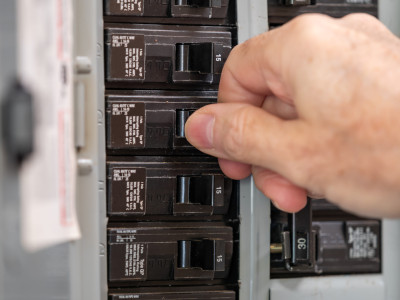
- Circuit breakers (prevent overload and short circuits)
- Fuses (single-use overcurrent protection)
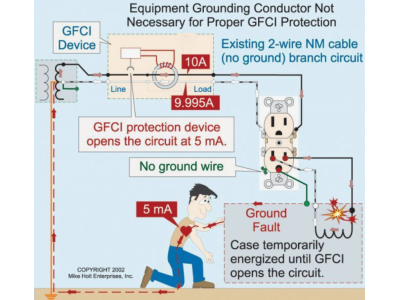
- Residual Current Devices (RCDs) (protect against electrical shock)
2️⃣ Classification by Voltage Level
Low Voltage (LV) Equipment
- Works at less than 1,000V AC or 1,500V DC
- Used in homes, offices, and small businesses
- Examples: household appliances, office equipment, circuit breakers
High Voltage (HV) Equipment
- Works at over 1,000V AC or 1,500V DC
- Used in power grids, industrial plants, and large commercial buildings
- Examples: transmission lines, switchgear, high-voltage motors
Extra High Voltage (EHV) Equipment
- Works at above 330kV
- Used in long-distance power transmission
- Examples: power substations, transformers for national grids
3️⃣ Classification by Application
Residential Electrical Equipment
- Includes household appliances and smart home systems
- Examples: HVAC systems, lighting, security cameras
Industrial Electrical Equipment
- Used in factories and manufacturing plants
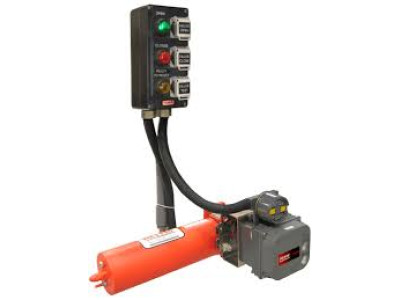
- Examples: electric motors, control panels, power transformers
Medical Electrical Equipment
- Used in hospitals and laboratories
- Examples: X-ray machines, MRI scanners, patient monitors
Transportation Electrical Systems
- Includes automotive, aviation, and railway electrical systems
- Examples: ignition systems, onboard computers, electric vehicle (EV) chargers
Power Generation & Utility Systems
- Used in power plants and renewable energy setups
- Examples: wind turbines, hydroelectric generators, solar inverters
Key Components of Electrical Equipment
1️⃣ Conductors and Insulators
Conductors: Allow electricity to flow (e.g., copper and aluminum wiring).
Insulators: Prevent current leakage and protect users (e.g., plastic, rubber, and ceramic materials).
2️⃣ Power Sources
Main power supply: Grid-connected systems for residential and industrial use.
Battery power: Portable devices and emergency backup systems.
Generators: Diesel, gas, and renewable energy-based power sources.
Alternative energy sources: Solar panels, wind turbines, fuel cells.
3️⃣ Energy Converters
Transformers: Step-up or step-down voltage.
Rectifiers: Convert AC to DC.
Inverters: Convert DC to AC.
Variable Frequency Drives (VFDs): Adjust motor speed by changing frequency.
4️⃣ Control and Protection Devices
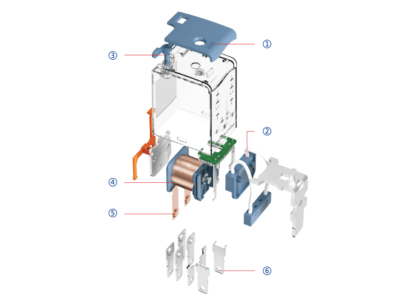
Switches and Relays - Control power flow and automate operations.
Circuit Breakers - Protect against overload and short circuits.
Residual Current Devices (RCDs) - Detect leakage currents to prevent electric shock.
Surge Protectors - Protect equipment from power surges and lightning strikes.
5️⃣ Measuring and Monitoring Equipment
Voltmeters - Measure voltage.
Ammeters - Measure current.
Wattmeters - Measure power consumption.
Oscilloscopes - Analyze electrical waveforms.
FAQ: Understanding Electrical Equipment
1️⃣ What is the difference between electrical and electronic equipment?
Electrical equipment deals with power distribution and control (e.g., motors, transformers).
Electronic equipment works with low-power circuits and signals (e.g., computers, microcontrollers).
2️⃣ How do I choose the right electrical equipment for my home?
✅ Ensure proper voltage ratings (match your region's power supply).
✅ Use energy-efficient devices (look for ENERGY STAR-certified products).
✅ Check safety ratings (UL, CE, or ANSI-certified).
3️⃣ What is the role of transformers in electrical systems?
Transformers step up (increase) or step down (reduce) voltage for safe and efficient power transmission.
They minimize energy losses in power lines.
4️⃣ What is the purpose of an RCD (Residual Current Device)?
⚡ An RCD detects current leakage and automatically shuts off power if a person touches a live wire, preventing electrocution.
5️⃣ Why do industrial machines use three-phase power?
Three-phase power provides higher efficiency, reduced vibration, and better power stability, making it ideal for large motors and industrial applications.
Conclusion: Why Electrical Equipment Matters
✅ Electrical equipment powers modern life, from home appliances to industrial machinery.
✅ Proper classification ensures safe and efficient usage in residential, commercial, and industrial settings.
✅ Key components like transformers, breakers, and power converters ensure reliability and safety.
✅ Understanding electrical equipment helps in selecting the right devices for specific applications.
Takeaway: Whether at home, in an office, or in an industrial plant, selecting the right electrical equipment is crucial for safety, efficiency, and performance! ⚡