
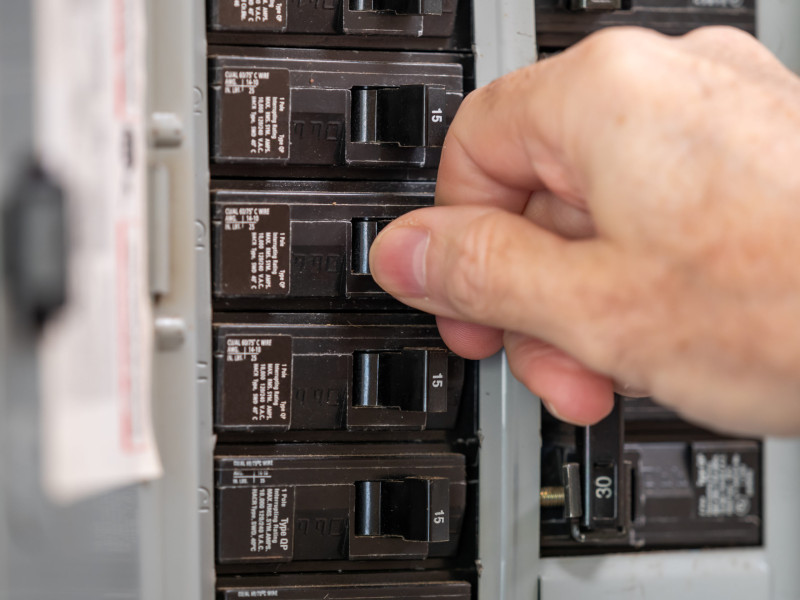
Overcurrent Protection: Understanding Its Role in Electrical Safety
What Is Overcurrent Protection?
Overcurrent protection is a critical safety mechanism in electrical circuits that automatically disconnects a circuit or system when the current exceeds a predefined limit.
Many people associate overcurrent protection only with short circuits, but it also includes protection against sustained overloads, which can damage wiring and equipment over time.
✔ Prevents excessive current from damaging electrical components
✔ Protects wiring insulation from overheating and fire hazards
✔ Ensures proper operation of electrical systems by disconnecting faulty sections
How Does Overcurrent Protection Work?
Overcurrent protection devices operate based on preset current limits. When current levels exceed these thresholds, the protection system detects the fault and disconnects the circuit.
Basic Components of Overcurrent Protection
📌 Current Transformer (CT): Measures the current in the circuit
📌 Overcurrent Relay (OCR): Compares the measured current with a preset value
📌 Circuit Breaker (CB): Disconnects the power supply if the current exceeds safe levels
🔧 Working Principle:
- Current Transformer (CT) detects excessive current
- Overcurrent Relay (OCR) determines if the current exceeds the allowable limit
- Circuit Breaker (CB) opens the circuit, preventing damage and electrical hazards
Types of Overcurrent Protection
There are two main types of overcurrent protection:
1️⃣ Maximum Overcurrent Protection (Time-Delayed Protection)
📌 Function: Disconnects a circuit when the current exceeds the rated value for a specified duration
📌 How It Works: Uses a time delay mechanism to prevent unnecessary tripping due to short-term current surges
📌 Applications: Used in power transmission lines, industrial plants, and substations
✔ Prevents nuisance tripping from temporary inrush currents
✔ Allows selective coordination with downstream protective devices
🕒 Time Delay Settings:
- Short Delay: 0.25 - 0.6 seconds
- Long Delay: 0.6 seconds or more
2️⃣ Instantaneous Overcurrent Protection (Fast-Acting Protection)
📌 Function: Provides instant disconnection when a fault occurs
📌 How It Works: Reacts to sudden high currents caused by short circuits
📌 Applications: Protects electrical distribution networks, transformers, and industrial equipment
⚡ Response Time:
- Instantaneous trip: 0.04 - 0.06 seconds
- No intentional delay-trips immediately on high fault currents
🔧 Common Devices Used:
✔ Electromagnetic Trip Breakers: React to high currents without delay
✔ Fast-Acting Fuses: Designed to blow instantly under excessive loads
Selective Coordination in Overcurrent Protection
Selective coordination ensures that only the faulty section of a circuit is disconnected, preventing unnecessary power outages.
🚦 How It Works:
1️⃣ Multiple overcurrent protection devices are installed at different points in the circuit
2️⃣ The device closest to the fault trips first, isolating the issue
3️⃣ Higher-level breakers remain operational to prevent widespread disruptions
💡 Example:
In a power distribution system, if a short circuit occurs in a building’s wiring:
✔ The circuit breaker in the affected area should trip first
✔ The main breaker should not trip, ensuring other parts of the system remain functional
🔍 Challenges in Selectivity:
- If protection devices are not properly coordinated, multiple breakers may trip, causing unnecessary power loss
- Requires careful calculation of trip settings and time delays
Why Is Overcurrent Protection Essential?
🚨 Without proper overcurrent protection, electrical systems are vulnerable to:
❌ Equipment damage from excessive current flow
❌ Fire hazards due to overheating wiring
❌ Unnecessary blackouts from lack of selective tripping
✔ Industrial and commercial buildings require advanced overcurrent protection systems to comply with safety standards like NFPA 70 (National Electrical Code - NEC) and IEEE C37.100 for power system protection.
FAQ: Overcurrent Protection Explained
1️⃣ What is the difference between Overcurrent and Short Circuit Protection?
📌 Overcurrent protection includes both overload protection and short circuit protection
📌 Short circuit protection deals only with sudden, high-current faults
2️⃣ How does an Overcurrent Relay work?
📌 The relay monitors the current and sends a trip signal to a circuit breaker if the current exceeds a predefined threshold.
3️⃣ What is the role of a Time-Delay Setting in Overcurrent Protection?
📌 Prevents nuisance tripping from temporary current surges (e.g., motor startups)
📌 Ensures selective coordination by allowing downstream devices to trip first
4️⃣ Can Overcurrent Protection prevent electrical fires?
✅ Yes! Overcurrent protection prevents overheating and wiring damage, reducing the risk of electrical fires.
Conclusion: The Importance of Overcurrent Protection
⚡ Overcurrent protection is essential for preventing short circuits, overloads, and fire hazards.
⚡ Properly configured systems ensure selective coordination, reducing unnecessary shutdowns.
⚡ Compliance with electrical standards like NEC and IEEE ensures safety and reliability in electrical systems.
📌 Key Takeaway: Whether in homes, industrial plants, or power grids, a well-designed overcurrent protection system is a must-have for modern electrical safety!