
What Is Electrical Grounding?
Electrical grounding is a deliberate connection between an electrical system and the earth. This ensures that in the event of a fault or insulation failure, electricity has a safe path to dissipate, preventing electrical shocks and fire hazards.
Why Is Grounding Necessary?
✔ Protects against electrical shock - Prevents accidental contact with live parts.
✔ Reduces risk of fire - Redirects fault currents safely into the ground.
✔ Stabilizes voltage levels - Helps maintain a consistent electrical potential.
✔ Protects appliances and electronics - Prevents damage from surges and faults.
Grounding is especially critical in homes and commercial buildings, where electrical failures could cause serious injuries or fires.
How Electrical Grounding Works
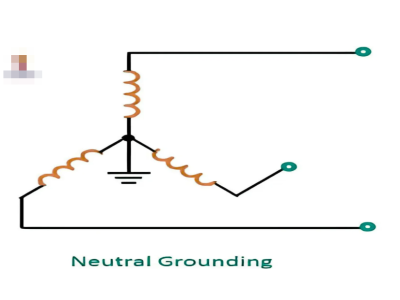
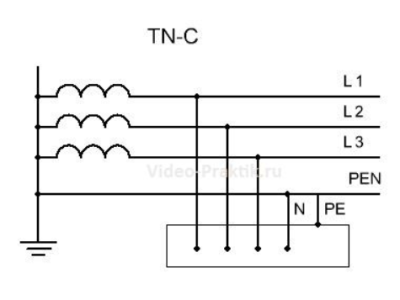
Most residential electrical systems operate on a grounded neutral system. This means that the neutral wire (N) is connected to a grounding system at the main electrical panel and at various points along the power grid.
Basic grounding principle:
If a live wire (L) accidentally touches a metal part of an appliance, instead of delivering a shock to a person, the current flows through the ground wire into the earth, triggering a circuit breaker or fuse.
Grounding Components:
| Component | Function |
|---|---|
| Grounding Wire (PE) | Provides a low-resistance path for fault currents. |
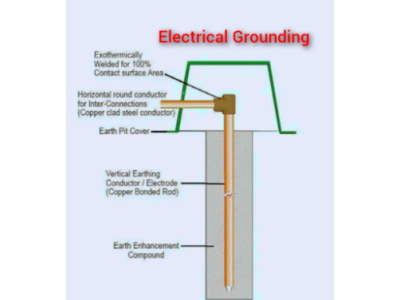
| Grounding Electrode | Metal rod buried in the earth, dispersing excess electricity. |
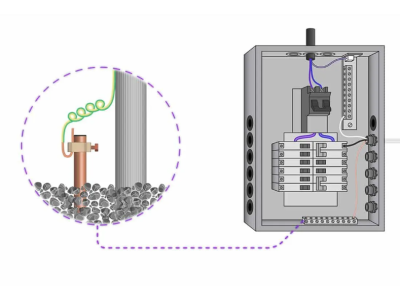
| Grounding Bus Bar | Central connection point for all ground wires in the electrical panel. |
| Grounding Conductor | Wire that connects the electrical panel to the grounding system. |
How a Grounding System Prevents Electrical Shock
Scenario 1: Electrical Leakage with No Grounding
If a damaged wire touches a metal appliance (e.g., washing machine or stove), the appliance becomes energized. A person touching it could complete the circuit, receiving a dangerous electric shock.
Scenario 2: Proper Grounding in Place
With grounding, the current flows through the grounding wire instead of the person. The breaker detects the fault and shuts off the power automatically, preventing injury.
Without proper grounding, electrical faults can cause severe burns, shocks, or even fatalities.
Types of Electrical Grounding Systems
There are several methods of grounding used in residential and industrial settings.
1. Equipment Grounding
✔ Ensures that all metal parts of appliances and electrical systems are grounded.
✔ Reduces the risk of accidental shocks when touching an appliance.
2. System Grounding
✔ Used in electrical distribution systems to keep voltages stable and prevent overloading.
✔ Common in homes, businesses, and power grids.
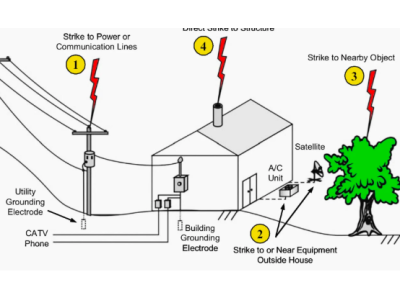
3. Lightning Protection Grounding
✔ Redirects lightning strikes away from buildings, reducing damage.
✔ Often uses deep-ground rods and lightning arrestors.
4. Ground Fault Circuit Interrupters (GFCIs)
✔ Detects even small leakage currents (as low as 5mA) and shuts off power immediately.
✔ Required in bathrooms, kitchens, and outdoor outlets for safety.
Grounding System Setup: Key Considerations
1. Proper Grounding Electrode Placement
✔ Grounding rods must be at least 8 feet deep to ensure proper earth contact.
✔ Soil conditions affect resistance-moist, mineral-rich soil works best.
2. Grounding Wire Requirements
✔ Must be copper or aluminum, with a size appropriate for the system’s amperage.
✔ Must be securely connected to all electrical panels and outlets.
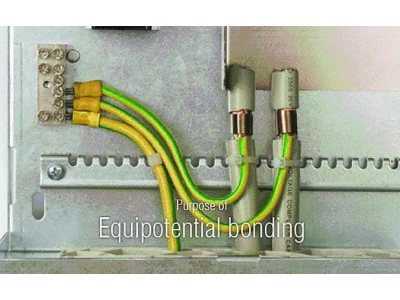
3. Bonding and Grounding Connection
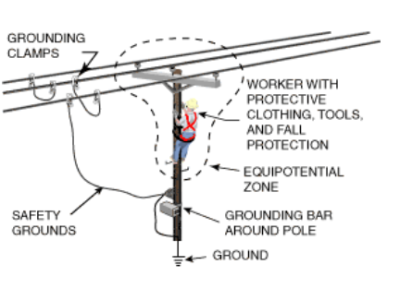
✔ All metallic structures (pipes, frames, HVAC systems) must be bonded to the grounding system.
✔ Prevents voltage differences that could lead to electric shocks.
4. Periodic Inspections & Maintenance
✔ Check for corroded or damaged ground wires.
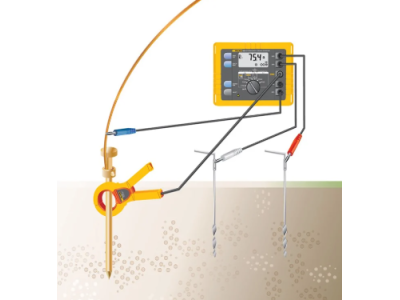
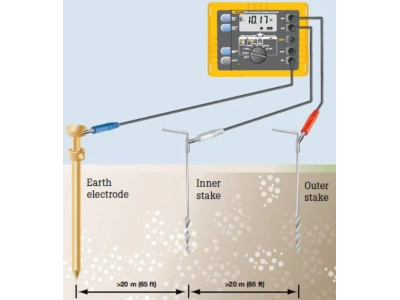
✔ Test grounding resistance using a ground resistance meter (should be below 25 ohms for optimal safety).
Common Grounding Problems & How to Fix Them
1. Broken Ground Wires
✔ Inspect and replace damaged ground wires immediately.
✔ Ensure secure connections to grounding rods and bus bars.
2. Incorrect Grounding Rod Depth
✔ Ensure rods are fully driven into the ground (8 feet minimum).
✔ If resistance is too high, add extra grounding rods spaced 6 feet apart.
3. Lack of Grounding in Older Homes
✔ Many pre-1960s homes lack modern grounding.
✔ Upgrade by installing new ground rods, wiring, and GFCI outlets.
4. Shared Grounding with Water Pipes
✔ DO NOT use indoor plumbing pipes as a primary ground.
✔ Always use dedicated grounding rods or electrical grounding plates.
Final Thoughts
Electrical grounding is essential for safety, protecting people and electrical systems from shocks, fires, and voltage surges.
✔ A properly installed grounding system reduces electrical hazards.
✔ Regular inspections ensure long-term reliability.
✔ Upgrading to modern grounding rods, wiring, and GFCI outlets improves electrical safety in homes and businesses.
For high-quality grounding equipment and electrical supplies, visit safsale.com today!
Need expert guidance on electrical grounding installation? Stay tuned for more professional tips and how-to guides from safsale.com.