
IP Protection Standards: What You Need to Know
What Is an IP Rating?
An IP (Ingress Protection) rating is an international standard that defines how well electrical devices are protected from solid particles (dust, debris) and liquids (water, moisture).
🔹 Why Does It Matter?
- Ensures electrical safety in various environments
- Determines suitability for indoor, outdoor, or industrial use
- Helps select weatherproof and waterproof electrical equipment
How to Read an IP Rating
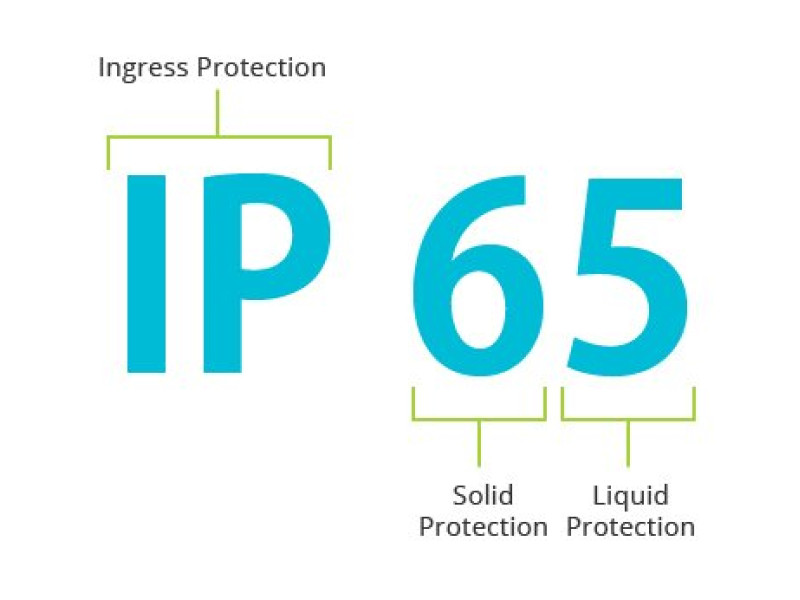
The standard format for IP ratings is IPXX, where:
📌 First digit (X) = Protection against solid objects (dust, tools, hands)
📌 Second digit (X) = Protection against water intrusion
💡 Example: IP67
✔ 6 = Dustproof (completely sealed)
✔ 7 = Can withstand submersion in water up to 1 meter for 30 minutes
IP Rating Chart: Solid Object Protection
| IP Code | Protection Against Solid Objects |
|---|---|
| IP0X | No protection |
| IP1X | Large objects (diameter > 50mm, e.g., hand) |
| IP2X | Medium objects (diameter > 12mm, e.g., fingers) |
| IP3X | Small tools (diameter > 2.5mm, e.g., screwdriver) |
| IP4X | Tiny objects (diameter > 1mm, e.g., wires) |
| IP5X | Dust-protected (limited dust entry) |
| IP6X | Fully dustproof (completely sealed) |
💡 Example: An IP65 electrical panel is fully dustproof and can resist water jets.
IP Rating Chart: Water Protection
| IP Code | Protection Against Water |
|---|---|
| IPX0 | No protection |
| IPX1 | Protection from vertically falling water droplets |
| IPX2 | Protection from water droplets up to 15° tilt |
| IPX3 | Protection from sprayed water up to 60° tilt |
| IPX4 | Protection from water splashes from all directions |
| IPX5 | Protection from low-pressure water jets |
| IPX6 | Protection from high-pressure water jets |
| IPX7 | Protection from submersion in water (up to 1m, 30 min) |
| IPX8 | Protection from continuous immersion in water (beyond 1m) |
| IPX9K | Protection from high-pressure, high-temperature water jets |
💡 Example:
- IP44 = Safe for bathrooms and kitchens (protection from splashes)
- IP67 = Fully waterproof (temporary submersion)
- IP69K = Industrial-grade waterproofing (used in car washes, food processing, factories)
Special IP Code Variations
Some IP ratings include letters to specify additional protection:
| Code | Protection Against Contact |
|---|---|
| A | Back of hand protection |
| B | Finger protection |
| C | Tool protection |
| D | Wire protection |
🔹 Example: IP1XB means protection from objects > 50mm and fingers.
Common IP Ratings and Where They Are Used
📌 IP20 - Indoor use only, protects against large objects like hands (e.g., office power strips).
📌 IP44 - Suitable for bathrooms, kitchens, covered outdoor areas (splash-resistant).
📌 IP55 - Used for outdoor electrical enclosures, weatherproof boxes (dust and water-resistant).
📌 IP67 - Industrial outdoor use, marine applications (fully dustproof, waterproof).
📌 IP69K - Harsh environments like food processing plants and car washes (high-pressure waterproofing).
How to Choose the Right IP Rating
🔹 For Indoor Use:
- IP20-IP40: Basic protection from dust and accidental contact
- IP44: Safe for bathrooms, kitchens, and covered patios
🔹 For Outdoor Use:
- IP55: Weatherproof for exterior outlets, security cameras, lighting fixtures
- IP65-IP67: Fully dustproof and waterproof for extreme conditions
🔹 For Industrial Use:
- IP69K: Best for factories, food processing, and high-pressure cleaning areas
FAQ: IP Ratings Explained
1️⃣ What is the difference between IP65 and IP67?
📌 IP65: Dustproof, protected against low-pressure water jets
📌 IP67: Dustproof, protected against temporary submersion in water
2️⃣ Can I use an IP44-rated light fixture outside?
✅ Yes, but only under a covered area (not fully waterproof). For direct rain exposure, choose IP55 or higher.
3️⃣ What IP rating do I need for a swimming pool light?
📌 IP68 is best since it allows permanent water submersion.
4️⃣ Are IP ratings regulated by any standards?
✅ Yes! IP ratings follow the IEC 60529 standard (set by the International Electrotechnical Commission).
Final Thoughts: Why IP Ratings Matter
✔ Prevents electrical hazards in wet and dusty environments
✔ Helps select the right enclosures and electrical equipment
✔ Ensures compliance with safety regulations (IEC 60529, NEC requirements)
📌 Bottom Line:
When choosing electrical enclosures, lighting, or outdoor devices, always check the IP rating to ensure proper dust and water protection!