
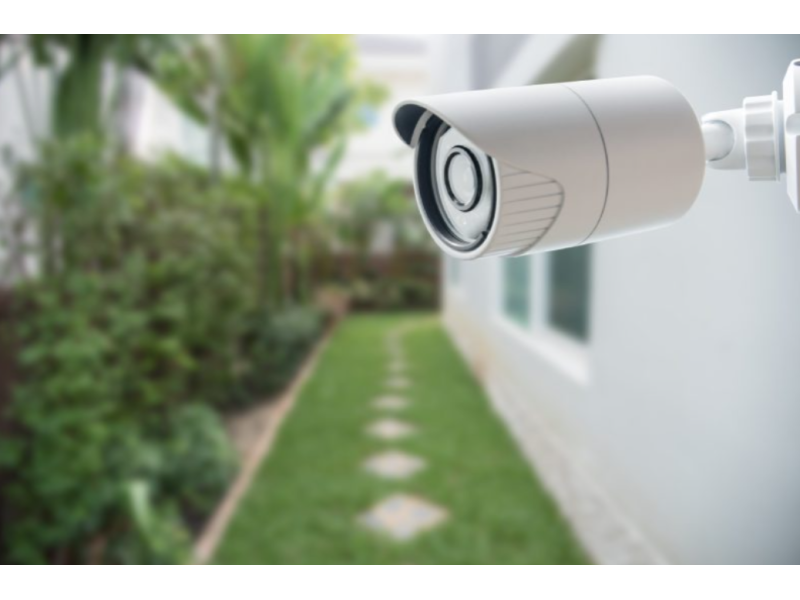
Video Surveillance for a Country Home
Setting up video surveillance for a country home can be done in two main ways:
- Autonomous Surveillance (without remote access).
- Internet-Connected Surveillance (with remote access).
Autonomous Surveillance
Ideal Setup:
- Use analog cameras (AHD, TVI, CVI), which are cost-effective and reliable.
- Record video locally on a DVR installed in the house.
Key Components:
- Cameras: Analog models are affordable, reliable, and provide adequate resolution.
- DVR: Stores video locally and is paired with a monitor for viewing footage.
- Power Supply: Cameras require a dedicated power supply; DVRs typically come with adapters.
- Hard Drive: Choose a capacity based on recording needs, such as resolution and retention period.
Usage:
- Motion detection reduces storage needs by recording only when movement is detected.
- Analyze recorded footage to review incidents or monitor activity from inside the house.
Remote Surveillance
Key Requirement: Internet connectivity at the property.
Recommended Approach:
- Utilize cloud services for seamless access to real-time feeds and archives.
- Combine cloud recording with a DVR for dual backup.
Equipment Options:
- IP Cameras: Directly connect to the internet for cloud integration.
- Internet Connection Options:
- Wired (Ethernet): Connect cameras via twisted pair cables to a router.
- Wireless (3G/4G): Use a router with an integrated modem for wireless connectivity.
Steps to Set Up:
Wired Connection:
- Connect cameras to the router using Ethernet cables.
- Configure the system via the cloud service’s dashboard.
Wireless Connection:
- Use a router with built-in modem and RJ ports or Wi-Fi cameras.
- Pair cameras to the router via radio signals or Ethernet, depending on compatibility.
Considerations:
- Free cloud plans typically allow live viewing but may lack archival storage.
- Upgrade to premium plans for full functionality, including remote playback and alerts.
Choosing the Right System
Autonomous Systems:
- Best for monitoring within the property and reviewing footage later.
- Cost-effective and simple to set up.
Remote Systems:
- Ideal for real-time monitoring from anywhere.
- Requires a reliable internet connection and additional investment in cloud services.
Video surveillance for a country home provides essential security and peace of mind. Whether you choose an autonomous setup or a remote-access system, tailor your solution to meet your specific needs and property requirements.
Shop this topic
Browse Surveillance Cameras Related products from Safsale
Continue from Academy guidance to live equipment and components available on Safsale.
 Reolink RLC-823A 8 Megapixel Outdoor PTZ IP Camera, 2.7-13.5mm LensView product
 Reolink Argus-2e Indoor/Outdoor Wire Free Smart Security Camera 1080pView product
 Hanwha Vision SND-6084 2MP Full HD Day/Night IP Dome Camera, 3-8.5mmView product
 Hikvision ECI-T24F2 4 Megapixel Network IR Outdoor Dome Camera, 2.8mm LensView product
Apartment Video Surveillance Installation
09/01/2025