
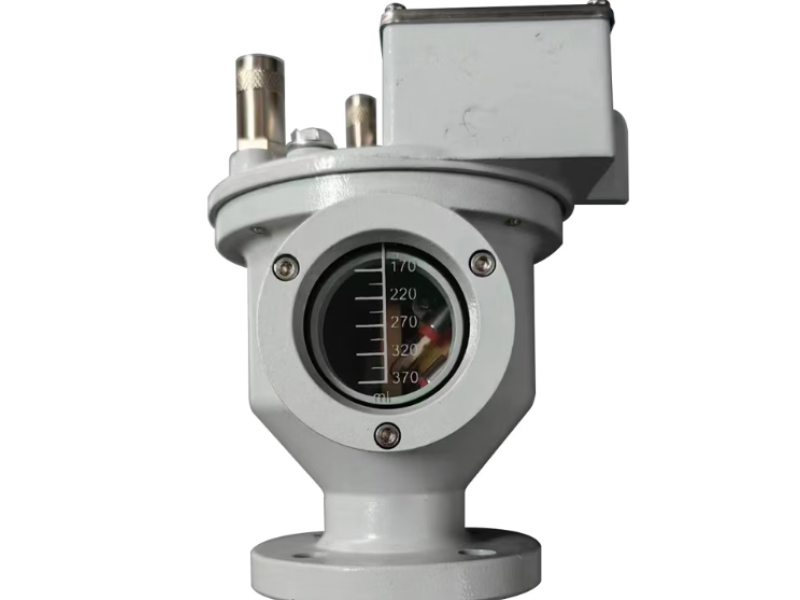
Understanding Transformer Gas Protection Relays
What Is Transformer Gas Protection?
Gas protection in oil-filled transformers is a crucial safety feature that monitors the oil level, gas formation, and circulation speed to detect faults and prevent major failures.
Why is it important?
✔ Detects oil leaks before they cause serious damage
✔ Prevents transformer overheating and internal faults
✔ Triggers early alarms and shutdowns to avoid major system failures
📌 Key Faults Detected by Gas Protection:
- Oil leakage (gradual drop in oil level)
- Gas formation (caused by internal electrical faults)
- Rapid oil movement (indicating serious short circuits or overheating)
The primary device used for gas protection is the Buchholz relay, which automatically detects these faults and takes preventive action.
How Does a Transformer Gas Relay Work?
A Buchholz relay is installed in the oil pipeline between the main transformer tank and the expansion tank (conservator). This placement allows it to monitor the movement of transformer oil and detect gas accumulation.
Key Components of a Gas Relay
📌 Gas Detection Mechanism: Identifies gases released due to internal arcing or insulation breakdown
📌 Oil Level Sensors: Detects low oil levels due to leakage
📌 Flow Sensors: Monitors the speed of oil circulation and detects abnormal movement
Gas Relay Construction and Function
📌 Location: Installed between the main tank and the conservator tank in an oil-filled transformer
📌 Structure: Airtight metal housing with internal components
📌 Connection Points:
1️⃣ Oil inlet/outlet ports
2️⃣ Air release valves
3️⃣ Electrical terminals for alarms and shutdown circuits
🔧 Basic Working Principle
1️⃣ Gas Formation: If an internal fault occurs, gases form in the oil and accumulate inside the relay
2️⃣ Oil Level Drop: If oil leaks, the relay detects the level decrease and triggers an alarm
3️⃣ Rapid Oil Flow: In the event of a severe fault, oil moves at high speed, triggering emergency shutdown
How Gas Protection Works Step-by-Step
📌 Step 1: Slow Oil Leakage Detection
- The relay contains a floating mechanism
- When the oil level gradually drops, the float lowers
- A signal is sent to trigger an early warning alarm
📌 Step 2: Gas Accumulation Detection
- During internal transformer faults, gases are produced and rise to the top of the relay
- As gas accumulates, it displaces oil, causing the float to lower
- A trip signal is activated if gas accumulation reaches a critical point
📌 Step 3: Fast Oil Flow Detection (Emergency Shutdown)
- If a major internal fault occurs, hot gases and rapid oil movement will trigger the flow sensor
- A perforated plate inside the relay moves, activating the emergency trip mechanism
- The transformer is immediately disconnected from the power supply
Types of Transformer Gas Protection Relays
There are two major types of transformer gas relays:
1️⃣ Gas-Activated Relays (Standard Buchholz Relays)
✔ Detect gas formation due to internal faults
✔ Used in power transformers above 500 kVA
✔ Provide early warning and shutdown capability
2️⃣ Flow-Activated Relays (Sudden Pressure Relays)
✔ Detect rapid oil movement caused by severe short circuits
✔ Trigger an instant transformer shutdown
✔ Used in large power transformers and circuit breakers
Why Gas Relay Protection Is Essential for Transformers
⚡ Gas relays detect internal faults before they escalate into catastrophic failures
⚡ Prevent expensive transformer damage and downtime
⚡ Comply with safety regulations like IEEE C57.12 for oil-filled transformers
💡 Common Issues Prevented by Gas Relay Protection:
❌ Transformer overheating
❌ Internal short circuits
❌ Oil degradation and insulation failure
❌ Explosions due to excessive gas buildup
FAQ: Transformer Gas Relay Protection
1️⃣ What is a Buchholz relay, and how does it work?
📌 A Buchholz relay is a gas and oil movement sensor used in oil-filled transformers. It detects faults, sends alarms, and trips the transformer if needed.
2️⃣ Can a gas relay prevent transformer explosions?
✅ Yes! By detecting gas buildup early, the relay helps prevent pressure buildup that could cause transformer explosions.
3️⃣ How often should transformer gas protection be tested?
📌 Recommended maintenance is every 6-12 months to ensure the relay operates correctly.
Conclusion: Why Every Oil-Filled Transformer Needs Gas Protection
✔ Early fault detection prevents costly repairs and system failures
✔ Reduces the risk of fires and explosions in transformers
✔ Complies with electrical safety standards for industrial and power grid applications
📌 Key Takeaway: Gas relay protection is an essential safety feature that helps increase transformer lifespan, prevent electrical failures, and enhance grid reliability!