Concealing electrical wiring by running cables through walls is a common practice that requires careful planning and execution. Whether you’re updating an older home or working on a new build, following proper guidelines is essential for electrical safety and long-term reliability. In many projects across the USA, adhering to standards like those outlined in local electrical codes is a must. At safsale.com, ofrecemos productos de alta calidad y asesoramiento de expertos para ayudarle a encaminar sus cables de forma segura a través de las paredes sin comprometer la estética o la funcionalidad.
Requisitos clave para el paso por cable
Al pasar cables a través de las paredes, deben seguirse varios principios básicos:
Asegurar futuras sustituciones
It is critical to design cable pass-throughs so that wires can be easily replaced if needed. This is typically achieved by installing a short, removable conduit, raceway, or sleeve. Such a system not only protects the wiring from mechanical damage but also allows for simple upgrades or repairs later on. For example, if a wire must be replaced, you can pull it out through the conduit without damaging the wall structure. In our experience at safsale.com, el uso de una manga de alta calidad y no combustible es la opción inteligente, especialmente cuando el cable se encamina a través de materiales combustibles como la madera.Prevenir la propagación de la llama
To stop a fire from spreading from one area to another, the conduit’s exit points must be sealed on both sides with a non-combustible material. Typically, a fire-rated putty or sealant is applied around the edges of the conduit. This seal should have a fire resistance rating comparable to or exceeding that of the wall partition itself. Although meeting these standards in practice can be challenging, it is vital to ensure safety.Proteger contra la entrada de humedad
If your cable passes from outdoors into the building, it is essential to guard against water penetration. To do this, the installation must be hermetically sealed, and the outdoor end of the conduit should be positioned slightly lower than the indoor end—usually, the conduit’s outdoor exit should be at least 1.6 ft (0.5 m) lower. This simple slope helps water drain away, protecting the cable from moisture damage.
Pasos prácticos para ejecutar cables a través de paredes
When planning a cable pass-through, follow these steps to ensure safety and compliance:
Planificar y marcar
Before drilling, carefully plan the cable route on your wall. Identify and mark the locations for the cable pass-through, ensuring you’re clear of any structural reinforcements or existing wiring. In remodels, use a reliable cable detector to avoid damaging hidden circuits.Taladrar o cortar la apertura
Create an opening in the wall that is just large enough to accommodate the protective conduit. For most applications, a conduit with an outer diameter that meets your cable’s size is ideal. Always remember: if you’re working in a wall made of combustible materials, the conduit must be made of non-combustible material. This precaution is especially important in residential settings where wood is prevalent.Instalar la protección tubo para cables
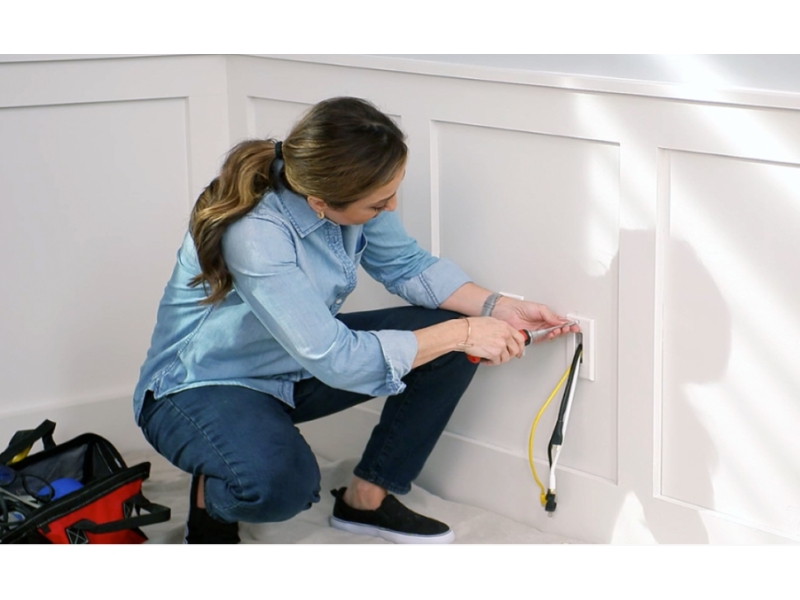
Inserte un tubo para cables o una manga en la abertura. Asegure firmemente con los cierres adecuados. El tubo para cables debe extender una distancia corta a ambos lados de la pared para permitir la sustitución futura del cable y proteger el cable de los bordes sharp. Selle el espacio alrededor del tubo para cables con un sellador no combustible calificado como fuego. Una fórmula simple para estimar la extensión tubo para cables necesaria podría ser:Esto garantiza una protección adicional y la facilidad de reemplazo del cable.
Sellar y proteger
Once the conduit is in place, seal around it with a suitable non-combustible filler. This not only prevents flame propagation but also keeps moisture out. The seal should be removable for maintenance, meaning it shouldn’t be a permanent, hard-to-remove adhesive.Inspección y pruebas finales
After installation, inspect the entire pass-through for proper sealing, alignment, and secure fastening. If you’re working in a building in the USA, confirm that the installation meets local electrical codes and safety standards.
Por qué importan estos pasos
Tomar el tiempo necesario para planificar e instalar correctamente su paso por la pared tiene varios beneficios:
- Seguridad mejorada: Protecting cables with a conduit reduces the risk of fire and accidental damage.
- Facilidad de mantenimiento: A removable conduit allows for future upgrades without the need to demolish walls.
- Cumplimiento del código: Siguiendo las normas se asegura de que su instalación pasará las inspecciones y reducir los riesgos de responsabilidad.
In many projects we’ve seen at safsale.com, meticulous planning and the use of high-quality materials make all the difference in both performance and long-term reliability.
Pensamientos finales
Concealing cables by running them through walls is a common yet critical task in modern electrical installations. By ensuring that your wiring can be easily replaced, preventing flame spread with proper sealing, and guarding against moisture intrusion, you create a system that is safe, efficient, and built to last. Remember, while these measures might seem labor-intensive, they’re essential for protecting your home and ensuring that your electrical system remains robust over time.
Para todos sus conductos de alta calidad, mangas protectoras y asesoramiento de expertos, safsale.com is your trusted partner in achieving a secure and aesthetically pleasing wiring setup. Plan well, install carefully, and always prioritize safety—your future self will thank you.
Productos relacionados de Safsale
Continúe desde la guía de la Academia a los equipos y componentes en vivo disponibles en Safsale.