
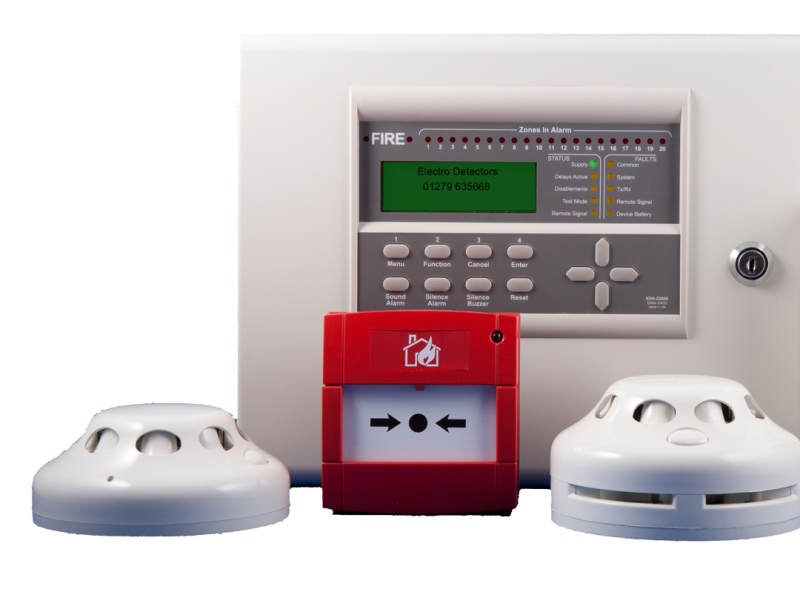
Sistemas de alarma GSM contra incendios: Visión general de Comprehensive
In the US, preventing fire-related incidents is a top priority for homeowners, businesses, and rural properties alike. While wireless intruder alarms are widespread, Fire GSM alarm systems haven’t received the same level of attention. However, as more people embrace remote monitoring, interest in Fire GSM solutions continues to grow. At safsale.com, we’ve noticed increased demand for alarms capable of sending real-time fire alerts via GSM networks. Below, we’ll explore various approaches to implementing Fire GSM alarms, their unique benefits, and how to address connectivity challenges in the US.
Métodos clave para la implementación de alarma GSM de fuego
Uso de unidades de alarma GSM estándar
Many standard GSM security systems (like those you might already have in a home or office) can be extended to include fire detection features. These units typically allow you to add heat sensors or smoke sensors. Once a sensor is triggered, the GSM module sends notifications—often via SMS—to designated phone numbers. Some advanced models can also transmit data via GPRS, enhancing monitoring reliability.Combinación de equipos adicionales con los sistemas existentes
Sometimes, you might need an extra piece of gear—a small GSM module or a specialized fire panel—to enable reliable fire alerts. In such cases, you connect the fire detection device to the central module, which then relays the data. If your setup already includes a robust GSM alarm, adding specialized fire detection equipment could be the simplest way to ensure comprehensive coverage, especially for larger US homes or commercial spaces.Sensores GSM especializados en incendios
These all-in-one devices come with a built-in GSM transmitter, eliminating the need for a full-fledged control panel. They can detect heat or smoke and immediately send an alert to your phone. This solution is especially popular in the US for remote properties—cabins, vacation homes, and other locations where installing a complete fire panel may be cumbersome. At safsale.com, we often recommend these single-sensor GSM devices to customers who require straightforward protection in areas with limited power sources.
Comprensión de la fiabilidad GSM
Unlike wired phone lines, GSM signals depend on cellular networks. In some US regions, coverage can fluctuate due to weather, terrain, or network congestion. That’s why:
- Equipo de amplificación de señales puede ser crucial para ubicaciones remotas. Las antenas externas correctamente instaladas o los impulsores de señal ayudan a mantener una cobertura estable, especialmente para propiedades fuera de los límites de la ciudad.
- Dispositivos compatibles con GPRS puede mantener la conectividad casi constante, diciéndote si el canal GSM se vuelve inestable o se cae. Marcas como Mirazh GSM (Mirage GSM) ofrecen tal funcionalidad, proporcionando retroalimentación mejorada sobre la fuerza de la señal.
- Opciones SIM duales are a smart choice. If one carrier’s network goes down, the alarm can switch to another, ensuring you’re still informed about potential fire threats. Just be sure both carriers have at least some coverage in your area.
Selecting a GSM Module for Fire Protection
A typical GSM module (or control panel) should be able to:
- Conectar a los sensores de incendios (humo o calor)
- Enviar alertas vía SMS o GPRS
- Activar sirenas locales u otros dispositivos de notificación
Sin embargo, muchos paneles GSM independientes sólo soportan entradas de “contacto seco”. Estas entradas a menudo funcionan mejor con sensores de calor simples que cierran o rompen un circuito cuando se disparan. Los detectores de humo verdaderos típicamente requieren energía del panel de control (loops de dos o cuatro hilos), que no todas las unidades GSM pueden proporcionar.
Ejemplo: El controlador GSM “Tocka-4MB” supports both intrusion and fire detection, offering connections for a range of wired sensors—including certain smoke detectors. This panel can integrate into a broader alarm system, making it suitable for homes in the US that need multi-zone monitoring. If your existing GSM device doesn’t support powered smoke detectors, you might need an additional fire alarm panel or specialized modules that link to the main system.
Sensores GSM de fuego independientes
For many US homeowners, especially those with remote cabins or rural residences, a standalone Fire GSM sensor can be an ideal solution:
Smoke Detectors with Built-in GSM
Estos dispositivos vienen con un módulo celular a bordo. Al detectar el humo, envían inmediatamente un SMS a números preconfigurados. Un ejemplo excelente es el dispositivo “DIP GSM (-212-63-GSM)” de NPO “Sibirsky Arsenal”, que demuestra lo fiable y compacto que puede ser un sensor de fuego GSM independiente.Heat Detectors with Built-in GSM
Similares a los sensores de humo, pero calibrados para detectar aumentos rápidos de temperatura, pueden ser especialmente útiles para espacios como garajes, salas de calderas o cocinas.
While the cost may be higher than a basic non-GSM sensor (around $45 versus standard models under $10), these standalone GSM detectors can operate on internal batteries for a year or more. This autonomy is crucial for properties in the US where power outages are frequent or prolonged. Additionally, many models can connect multiple “passive” sensors to one GSM-equipped master sensor, reducing the number of SIM cards you need.
Consejos prácticos para instalaciones basadas en los EE.UU.
- Evaluar la cobertura
Check cell phone reception at your property, especially if you’re in a rural area. Consider a impulsor de señal si la cobertura es débil. - Considerar unidades multi-SIM
Si su región es propensa a la congestión de la red, opte por módulos compatibles con dos operadores diferentes. - Coincide los sensores con su sistema
Asegúrese de que su controlador GSM elegido puede alimentar y leer señales de cualquier detector de humo o calor que planee utilizar. - Consultar con expertos
Fire codes in the US can be strict, and proper installation is key. At safsale.com, colaboramos con especialistas para ayudarle a encontrar un sistema que cumpla con las normativas locales y sus requisitos de seguridad personal.
Reflexiones finales sobre sistemas de alarma GSM de incendios
Fire GSM alarms are a practical solution for remote monitoring and timely alerts. However, you must carefully consider network reliability and whether your chosen device supports the right type of detectors. In many cases, a “two-in-one” approach—using a single GSM unit for both intrusion and fire monitoring—can be convenient. Yet keep in mind that extra hardware may be necessary for full functionality.
En safsale.com, we believe that Fire GSM alarm systems shine most when homeowners need straightforward remote supervision, especially in hard-to-reach US locations. For many property owners, the main advantage is receiving alerts wherever they are. Nonetheless, these alarms often focus on monitoring rather than providing a complete professional-grade fire management system.
If you’re interested in learning more about Control remoto basado en GSM y monitoreo, consulte nuestros artículos relacionados en calefacción, gestión de calderas, iluminación, y Seguridad del país de origen. Encontrarás todos estos recursos y más en safsale.com, donde te ayudamos a proteger lo que más importa.
Productos relacionados de Safsale
Continúe desde la guía de la Academia a los equipos y componentes en vivo disponibles en Safsale.


