Cableado eléctrico in buildings relies on proper grounding and neutralization to ensure safety and system integrity. In simple terms, neutralización (o “unión equipotencial a neutral”) conecta las partes no energizadas de un sistema eléctrico al conductor neutro, mientras que puesta a tierra links those parts to a dedicated earth electrode system. Both processes work together to equalize electrical potentials, but they have distinct roles and wiring configurations. At safsale.com, we provide expert guidance to help you understand these critical concepts, ensuring compliance with NEC standards and safe installations in residential and commercial settings.
¿Qué significa puesta a tierra y neutralización?
-
Neutralización:
In an electrical circuit, neutralization refers to connecting parts that are not normally energized to the neutral conductor. This neutral conductor carries the return current and is maintained near 0 V relative to the earth. When a fault occurs, the current prefers the path of least resistance—either through the neutral conductor or to the ground. -
puesta a tierra:
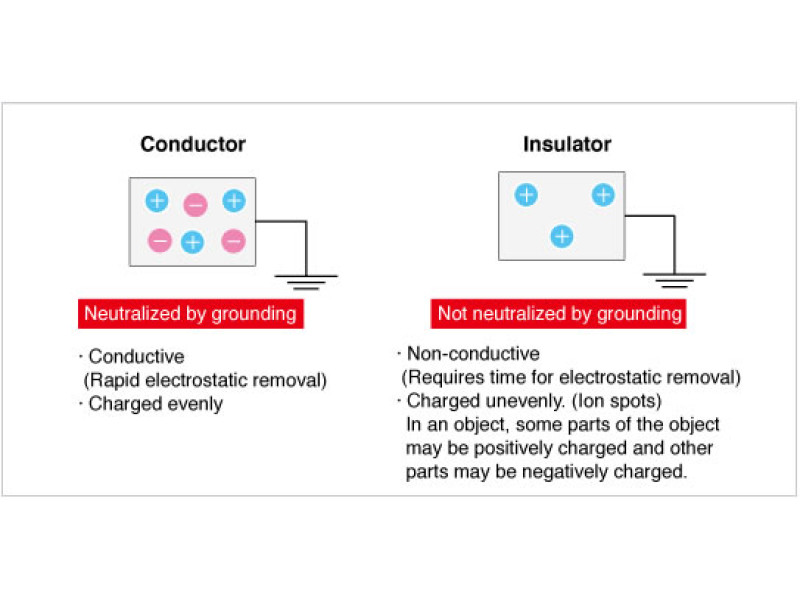
Grounding involves connecting the same parts of an electrical installation to a grounding electrode system. This connection creates a low-resistance path directly to the earth, which helps dissipate fault currents and stabilizes the voltage in the system.
¿ Cómo funcionan?
Aunque ambos sistemas sirven para igualar el potencial eléctrico, los caminos que crean para las corrientes de fuga difieren:
-
Conductor Neutral:
In a typical residential wiring system (in the US, commonly 120 V single-phase or 240 V split-phase), the neutral wire (white) carries the return current and is bonded to the ground at the main service panel. When a fault occurs, the current can travel back via the neutral if its impedance is lower than that of a direct earth path. -
Electrodo puesta a tierra:
Grounding provides a direct connection to the earth through a ground rod, plate, or other electrode. This system helps ensure that any stray voltages or fault currents are safely discharged into the earth, reducing the risk of shock. In many U.S. systems, the National Electrical Code (NEC) mandates a proper grounding electrode system for all installations.
Cuando una falla causa que el voltaje aparezca en una parte conductora expuesta, la corriente fluirá a través de la ruta disponible. Si la corriente de fuga es demasiado pequeña, los dispositivos de protección como interruptores automáticos podrían no tropezar. Sin embargo, si ocurre un cortocircuito significativo, la corriente fluye a través del sistema neutral o puesta a tierra, activando el interruptor y desenergizando el circuito para proteger a las personas y el equipo.
Practical Considerations in Modern Installations
-
Tipos de sistema:
- Sistema TN-S: In this configuration, the neutral and ground conductors are separate throughout the installation. This clear distinction means that grounding and neutralization are both explicitly implemented, providing enhanced safety.
- Sistema TT: Used in some installations, this method involves a dedicated earth electrode (grounding) that may function independently of the neutral connection. Although less common in U.S. residential wiring, it’s sometimes employed in specific industrial or rural applications.
-
Conductor combinado de PEN:
A potential weak point in some systems is the use of a combined PEN (Protective Earth and Neutral) conductor. If this conductor fails, the entire circuit loses its protective path, leaving exposed metal parts energized. To mitigate this risk, devices such as Ground-Fault Circuit Interrupters (GFCIs) or differential breakers are used.
En resumen
La diferencia entre puesta a tierra y neutralización lies primarily in the path taken by fault currents:
- Neutralización conecta piezas no energizadas al neutro, permitiendo que la corriente vuelva a través del mismo conductor.
- puesta a tierra proporciona un camino dedicado a la tierra, asegurando que cualquier corriente de falla se desvíe con seguridad, reduciendo el riesgo de choque.
While both systems serve to equalize potential and protect against electric shock, they do so in slightly different ways. Modern U.S. electrical installations, governed by NEC standards, typically incorporate both methods to ensure maximum safety.
For more detailed guidance on electrical safety and compliance, or if you’re planning a wiring upgrade in your home or business, visit safsale.com. Ofrecemos asesoramiento de expertos y productos diseñados para cumplir con los estándares actuales de EE.UU. y mantener sus instalaciones seguras y confiables.
Productos relacionados de Safsale
Continúe desde la guía de la Academia a los equipos y componentes en vivo disponibles en Safsale.