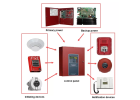
Security and Fire Alarm Elements: A Detailed Overview
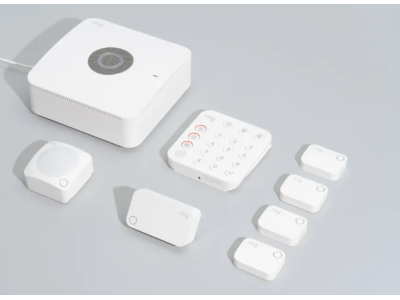
In the United States, ensuring the safety of homes, businesses, and public buildings is a top priority. At safsale.com, we recognize that effectively protecting a property in the US often hinges on a well-designed security and fire alarm system. Although security (intrusion detection) and fire alarm setups each serve different purposes, they typically share the same basic components:
- Detectores (sensores)
- Paneles de control
- fuentes de alimentación
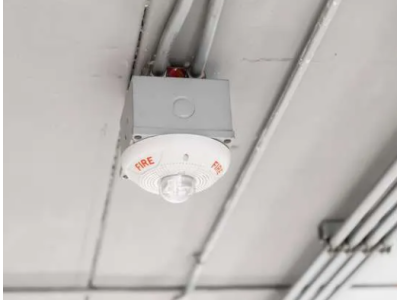
- Dispositivos de notificación (sonidos, flashers, etc.)
Beyond these core elements, auxiliary devices such as arming/disarming units, remote indicators, and network modules may be added to expand functionality. Below, we’ll discuss the main types of security and fire detectors, how they operate, and the key role of control panels in both systems. By understanding these fundamentals, US homeowners, facility managers, and security professionals can make the best choices for comprehensive protection—whether it’s a small shop in a suburban area or a large commercial complex in a busy city.
Sensores de alarma de seguridad
Los sensores de seguridad (o “detectores de intrusión”) están diseñados para detectar la apertura no autorizada de puertas, ventanas u otras estructuras de construcción, así como la rotura de vidrio u otros medios de entrada forzada. safsale.com, trabajamos con frecuencia con clientes en todos los Estados Unidos buscando estos tipos de sensores específicos para salvaguardar sus propiedades.
1. Sensores de contacto magnéticos
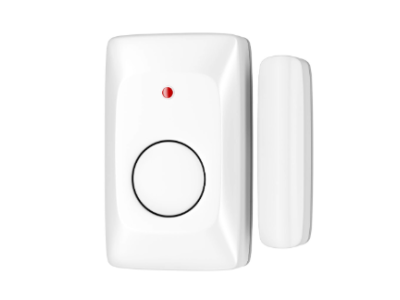
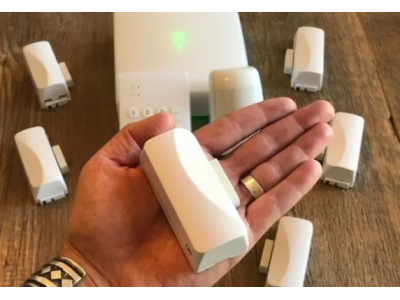
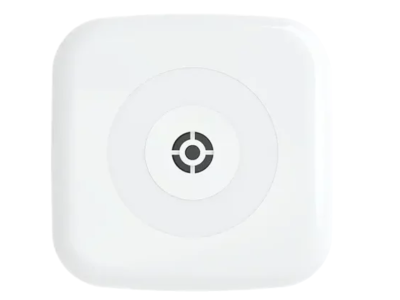
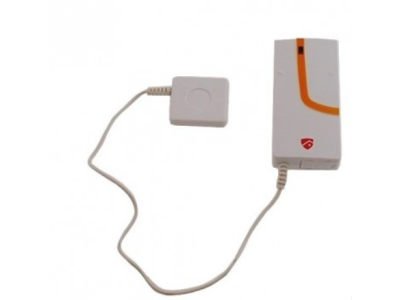
Magnetic contact sensors are a popular choice throughout the US due to their reliability and affordability. A typical setup includes a reed switch (“reed contact”) and a magnet. When the door or window is closed, the magnet holds the reed contacts in a particular state (normally closed). Opening the door or window causes the magnet to move away, changing the reed switch’s state and triggering an alarm. US homeowners find them especially useful for main entrances, basement doors, and sliding windows.
2. Sensores acústicos
Acoustic sensors detect the unique sound signature of breaking glass. They use a built-in microphone and specialized signal processing to recognize the initial low-frequency thud (the impact) followed by a high-frequency “shatter” sound of splintering glass. This two-stage detection method significantly reduces false alarms, a critical consideration in the US where emergency services or private security companies respond to any triggered alert.
3. Sensores de vibración
Vibration sensors typically contain a piezo element that reacts to repeated impacts or drilling on walls, floors, or even metal grates. In many US applications—such as safes, secure storage rooms, or server racks—these sensors help detect forced attempts at penetration. They must be tightly affixed to the surface they’re monitoring, a common requirement for critical facilities nationwide.
4. Sensores de contacto de choque
Los sensores de contacto de choque pueden activar una alarma desde un solo sharp impact a una superficie (como una ventana o una puerta). A menudo se montan directamente sobre el cristal, haciéndolos menos deseables para edificios con altos estándares de diseño, ya que el montaje visible puede perturbar la estética. En consecuencia, muchos propietarios estadounidenses optan por detectores acústicos si quieren preservar un aspecto limpio y moderno.
Detectores de movimiento 5 (PIR, Microondas, Ultrasónico)
Motion sensors detect movement within a protected zone. They may use:
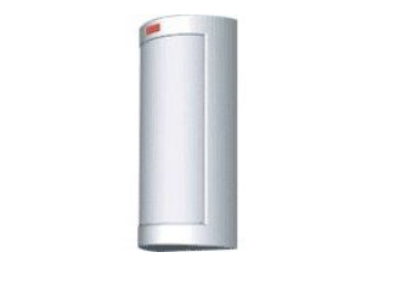
- infrarrojo pasivo (PIR): Senses changes in infrared energy when a human body or large warm object moves in the space.
- Microondas (Radio-Ola): Transmite microondas y mide cambios de reflexión causados por el movimiento.
- Ultrasónica: Emite ondas sonoras a frecuencias por encima de la audición humana, detectando movimiento basado en reflejos de onda.
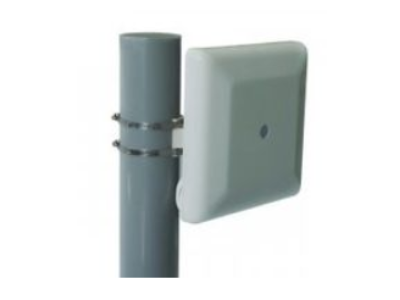
In the US, motion detectors are extremely common in both residential and commercial applications. These sensors can have “volumetric,” “surface,” or “linear” detection zones, making them versatile for corridors, living rooms, or perimeter fences.
Sensores alarma contra incendios
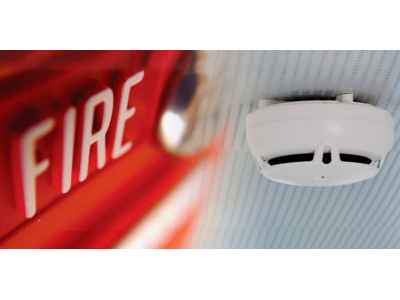
While security sensors address unauthorized access, fire sensors handle factors that indicate a fire outbreak—smoke, heat, and open flame. At safsale.com, we help many US clients integrate fire detection into their overall safety plan. Proper fire alarm coverage is crucial since different properties face unique risks—restaurants in Chicago might need advanced heat detection for kitchens, while wood-frame homes in rural areas often prioritize smoke detectors.
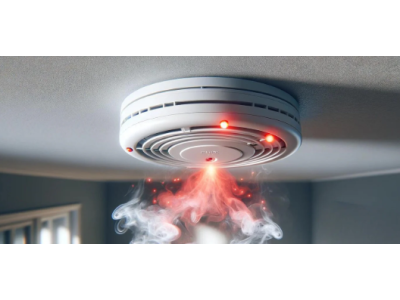
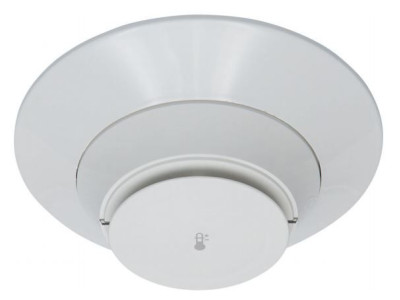
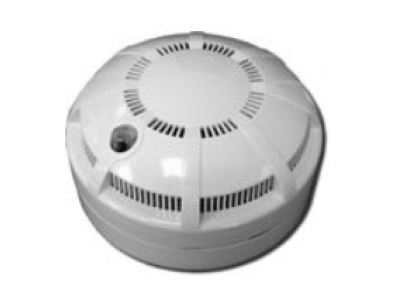
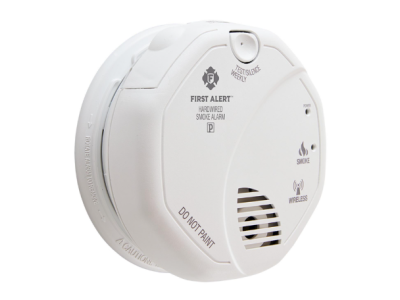
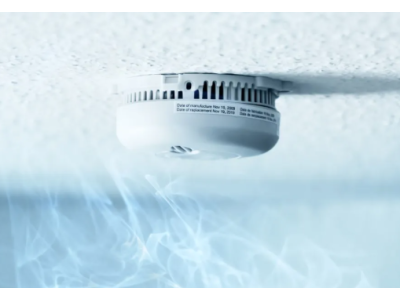
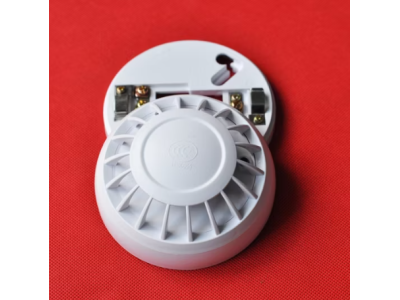
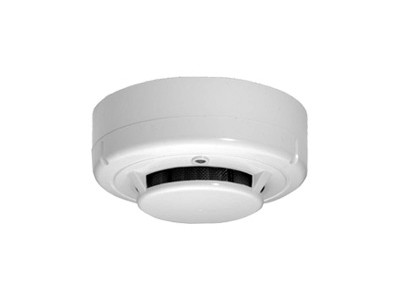
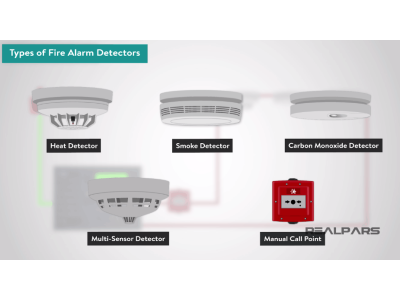
1. Detectores de humo
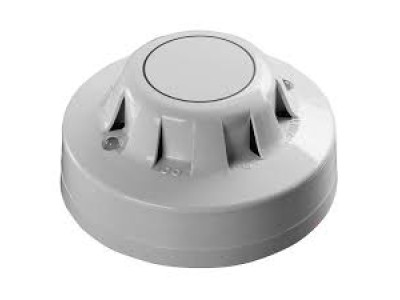
Los detectores de humo pueden ser óptica (fotoeléctrica) o ionización basado en:
- Óptica: Uses a light beam inside a chamber; when smoke particles enter, they scatter light, triggering the sensor.
- Ionización: Uses a small amount of radioactive material to ionize the air inside a chamber, detecting smoke by changes in electrical conductivity.
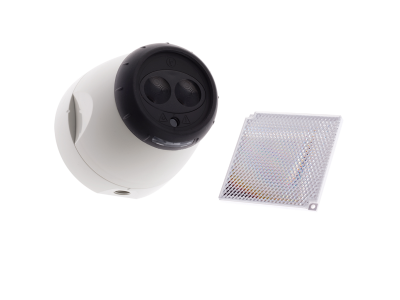
Estos sensores pueden tener tipo de punto (localizado) o linear (beam-type) detection zones, with linear beam detectors commonly installed in large, open spaces such as warehouses, gymnasiums, or shopping malls.
2. Detectores de calor
Heat detectors respond to abnormal increases in temperature. They fall into three categories:
- Temperatura fija (máximo): Triggers an alarm when the temperature exceeds a preset threshold (e.g., 135°F).
- Tasa de subida (diferente): Activates when there’s a rapid temperature increase over a specific time frame.
- Combinación: Monitoriza tanto la temperatura máxima como la velocidad de subida para mayor precisión y menos falsas alarmas.
Many US-based building codes stipulate heat detection in areas prone to temperature fluctuations or heavy cooking, such as commercial kitchens or parking garages.
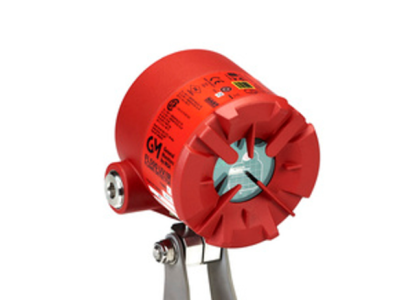
Detectores de llama 3
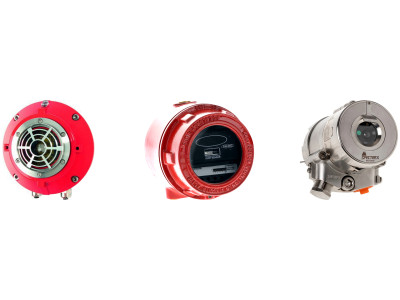
Los detectores de llama reaccionan a las emisiones de ultravioleta (UV), infrarrojo (IR) o espectro visible de un incendio. volumétrico detection zones, they can cover larger areas, detecting open flames rapidly. In the US, flame detectors are often found in industrial facilities or chemical storage areas where a fast, robust response is necessary.
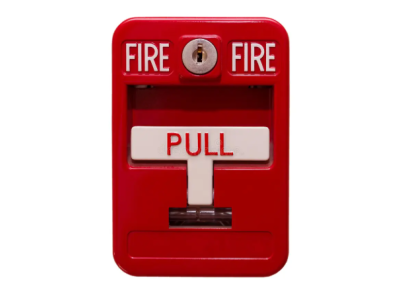
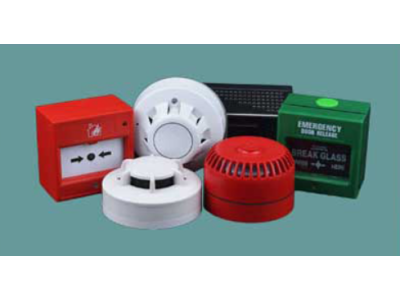
Every fire alarm system in the US also requires puntos de llamada manuales (estaciones de tracción). These allow occupants to sound the alarm immediately upon spotting a fire, essential for busy commercial buildings or campuses.
Paneles de control (PCP) para sistemas de seguridad e incendios
Control panels (or “panels” and “PCPs” in some documentation) serve as the central processing units for both security and fire alarm systems. They receive signals from sensors, interpret them, and trigger alerts or notifications. At safsale.com, vemos una amplia gama de paneles de control desplegados en los Estados Unidos, desde unidades a pequeña escala para empresas familiares locales hasta paneles avanzados y multizona para grandes complejos corporativos.
Características clave de los paneles de control
Capacidad (producción de información)
Esto se refiere a cuántas zonas, bucles o dispositivos individuales puede soportar el panel. Las propiedades estadounidenses más pequeñas solo pueden necesitar algunas zonas, mientras que extensas instalaciones como escuelas, oficinas de varios pisos o centros comerciales a menudo requieren paneles que manejan docenas o incluso cientos de detectores direccionables.Notificaciones de productos
Modern panels typically offer more than just “normal” or “alarm” states. In the US, it’s common to have indicators for conditions like:- Armados (seguridad en)
- Desarmados (Seguridad apagado)
- Atención (mantenimiento o evento de baja prioridad)
- Falla (mal funcionamiento del sistema)
- alarma contra incendios o Alarma de intruso
Opciones fuente de alimentación
US safety standards usually require backup power. Some control panels have built-in power supplies with batteries; others need a separate uninterruptible power supply (UPS). Since smoke detectors or advanced sensors often draw current from the panel, ensuring each device has consistent power during an outage is essential.Tipos de sistema
Los paneles de control pueden ser:- PThreshold (Convencional): Sensors are grouped by zones (loops). If any sensor in a loop triggers, the panel reports an alarm for that entire zone.
- Destinatario: Each sensor has a unique address, letting the panel pinpoint exactly which device triggered. This granular detail is particularly valued in the US for large complexes or multi-tenant buildings.
- Inalámbrico o cableado: Los paneles cableados dependen de cables dedicados para cada sensor o zona; los paneles inalámbricos se comunican a través de señales de radio. Muchas instalaciones estadounidenses se mezclan tanto para optimizar los costos como para reducir la complejidad de la instalación.
Equipo adicional para la protección Comprehensive
Teclados y unidades de armado/desarme
These devices let users arm or disarm the security system quickly. In the US, it’s commonplace to see numeric or touchscreen keypads placed near main entryways.Indicadores remotos
External indicators or repeaters can display system status in hallways, guard stations, or building management rooms. For some US-based facilities with active on-site security, these indicators help staff respond faster.Módulos de comunicación
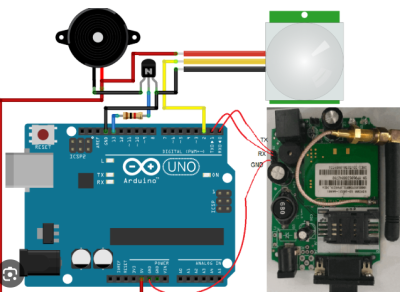
Los módulos que envían alertas a teléfonos inteligentes, estaciones de monitoreo o equipos de seguridad externos son críticos en todo Estados Unidos, lo que permite una reacción inmediata a incendios, allanamientos u otros incidentes. Los módulos GSM, los comunicadores basados en IP y las soluciones de respaldo celular se encuentran entre los complementos más solicitados en safsale.com.
Por qué elegir el sistema adecuado para el mercado estadounidense
In the United States, selecting the right blend of security and fire alarm elements is not merely about meeting code requirements; it’s about ensuring people’s safety and safeguarding valuable assets. With larger homes, harsh climates in certain regions, and evolving standards for commercial properties, US residents and business owners need flexible, robust, and up-to-date alarm systems.
- Residencial: Las casas unifamiliares, condominios y casas adosadas se benefician de detectores adaptados a los planos de suelo y materiales de construcción típicos estadounidenses.
- Comercial: Oficinas, tiendas minoristas y almacenes deben abordar tanto la protección contra robos y códigos de fuego estrictos, haciendo soluciones integradas crucial.
- Industrial o Especializada: Factories, chemical plants, or data centers in the US often need advanced sensors (e.g., flame, gas, or humidity) and multi-zone addressable panels.
En safsale.com, enfatizamos emparejar a cada cliente con un sistema que se adapte a su tipo de propiedad, nivel de riesgo y presupuesto. Ya sea que necesite sensores simples de puerta o una red de panel de fuego direccionable de última generación, nuestro equipo puede guiarlo hacia la solución ideal para su proyecto basado en EE.UU.
Reflexiones finales de safsale.com
Tanto los sistemas de seguridad como los sistemas alarma contra incendios comparten componentes fundamentales: sensores, paneles, fuentes de alimentación y dispositivos de notificación. Sin embargo, cada elemento debe ser elegido cuidadosamente para abordar los riesgos únicos y los diseños de construcción que se encuentran en los Estados Unidos. Desde contactos magnéticos y sensores acústicos de rotura de vidrio para la detección de intrusiones hasta detectores de humo, calor y llama para la protección contra incendios comprehensive, la configuración adecuada puede reducir enormemente las falsas alarmas al tiempo que garantiza respuestas rápidas y eficaces.
Key Takeaways para clientes estadounidenses:
- Seleccione los sensores adecuados basado en las necesidades específicas de su propiedad: no pase por alto las condiciones ambientales o los materiales de construcción.
- Considerar la capacidad del panel de control y direccionables vs. diseños convencionales al proteger sitios grandes o complejos.
- Factor in backup power to remain operational during outages, a frequent concern in many US regions.
- Aproveche módulos de comunicación modernos para alertas en tiempo real, asegurando que usted o su proveedor de seguridad puedan actuar rápidamente.
Al centrarse en componentes bien emparejados e instalación profesional, su hogar o negocio representa un chance mucho mejor de mantenerse a salvo de intrusos e incendios. Para más orientación, revisiones del sistema y asesoramiento especializado basado en EE.UU., diríjase a safsale.com, donde actualizamos continuamente nuestros recursos para ayudarle a tomar las mejores decisiones para asegurar su propiedad.