La traducción está en preparación. Algunos textos aún se muestran en inglés.
Cómo funcionan las cámaras de vigilancia: estructura y componentes

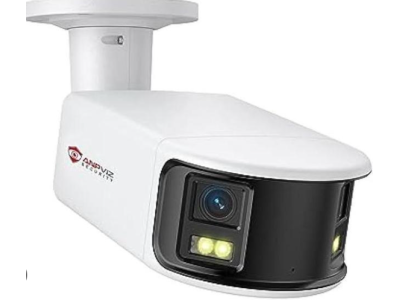
Componentes cámara de vigilancia

The functionality of a surveillance camera depends on its core components, which include:

  1. Lente
  2. sensor de imagen (Matrix)
  3. Unidad de procesamiento de señales de vídeo
  4. Mecanismo de control del objetivo*
  5. Filtro infrarrojo (IR)*

(*Not included in all models.)


1. Lente

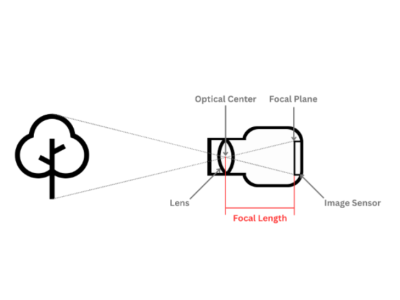
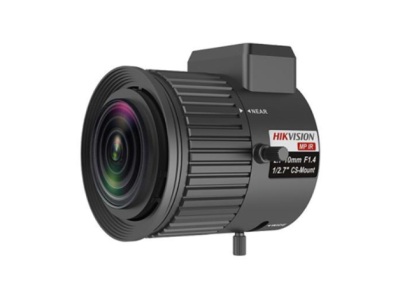
The lens focuses and forms an image on the camera's matrix. Lenses come in various types:

  • Lentes básicas: Fixed-focus lenses found in simpler models.
  • Lentes avanzadas: Incluir ajustes manuales o automáticos para:
    • Apertura (diafragma): Controla la cantidad de luz que llega a la matriz.
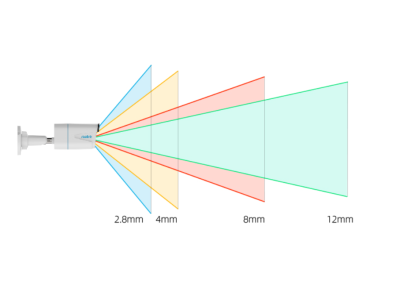
    • Longitud Focal: Determina las capacidades campo de visión y zoom.

The quality of the lens is crucial for achieving sharp, detailed images, often accounting for a significant portion of the total camera cost in high-end models.


2. sensor de imagen (Matrix)

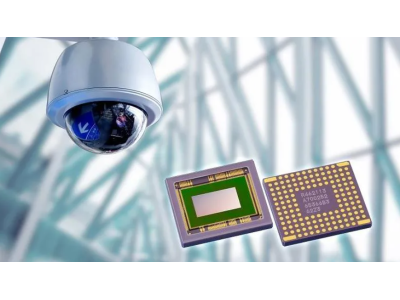
La matriz convierte imágenes ópticas en señales eléctricas. Dos tipos primarios de matrices son:

  • CCD (dispositivo acople de carga):

    • Produce señales analógicas.
    • Ofrece alta sensibilidad a la luz y bajo ruido.
  • CMOS (Semiconductor de óxido metálico complementario):

    • Produce señales digitales.
    • Típicamente menos sensible a la luz y más ruidoso que el CCD.

Características clave de la matriz:

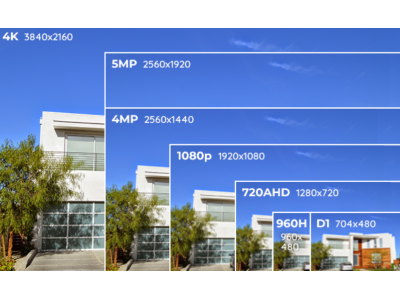
  • Conteo Pixel: Afecta la resolución; más píxeles = mayor resolución.
  • Tamaño del formato: Determina el tamaño diagonal en pulgadas (por ejemplo, 1/4", 1/3, 1/2").Los formatos más grandes mejoran la sensibilidad a la luz.

3. Unidad de procesamiento de señales de vídeo

Esta unidad realiza múltiples tareas críticas, entre ellas:

  • Gestión de los modos de lectura.
  • Amplificación de señales de vídeo.
  • Controlando modos operativos como conmutación día/noche, ajuste automático de apertura, compensación de retroiluminación y obturadores electrónicos.

In IP cameras, this processing unit functions as a miniature computer, featuring:

  • Procesadores
  • Memoria
  • Módulos de compresión

4. Mecanismo de control del objetivo*

Las cámaras con lentes avanzados a menudo incluyen sistemas de control para ajustes automáticos de apertura o funciones zoom. Los modelos básicos pueden carecer de esta característica.


5. infrarrojo (IR) Filtro*

Found in cameras with day/night functionality, the IR filter enhances performance in low-light or nighttime conditions by:

  • Removing color distortions in daylight.
  • Cambio al modo monocromo para mayor sensibilidad por la noche.

Perspectivas adicionales

Para la mayoría de los consumidores, la comprensión de estos componentes ayuda a tomar decisiones informadas al elegir las cámaras. Este conocimiento se centra en la funcionalidad y el rendimiento, evitando detalles demasiado técnicos.

Whether you’re setting up a home or business surveillance system, knowing how cameras work ensures you choose the right model to meet your security needs.
Smart Link Academy Componentes cámara de vigilancia 9 articles in this section

Encender cámaras de vigilancia
Guía 11/01/2025 272
Encender cámaras de vigilancia
Powering Surveillance Cameras: Key PointsProper power supply is critical for the effective operation of surveillance systems. Cameras typically use one of the following power sources:12V DC (most common)24V DC220V ACEach power source has unique pros and cons, including ease of setup and safety consi..
Leer artículo
Cámaras de seguridad panorámicas
Guía 11/01/2025 314
Cámaras de seguridad panorámicas
Panoramic Security Cameras: A Game-Changer in SurveillancePanoramic security cameras, often called "fisheye cameras", address a key challenge in traditional surveillance—eliminating blind spots. These cameras deliver a 360-degree field of view, making them an innovative solution for monitoring large..
Leer artículo
Cámaras de seguridad de ancho ángulo
Guía 11/01/2025 341
Cámaras de seguridad de ancho ángulo
Wide-Angle Security Cameras: Pros and ConsWide-angle security cameras are designed to monitor large areas with a single device. They are especially appealing for outdoor surveillance, but their use comes with certain limitations that need consideration.Key Limitations of Wide-Angle CamerasUneven Ill..
Leer artículo
Ángulo de visualización cámara de vigilancia
Guía 11/01/2025 282
Ángulo de visualización cámara de vigilancia
Surveillance Camera Viewing Angle: A Key ParameterThe viewing angle determines the area a camera can monitor. It is directly influenced by the focal length of the lens and the sensor size of the camera.How Viewing Angle Depends on Sensor Size and Focal LengthSensor Size:Cameras with larger sensors h..
Leer artículo
Resolución cámara de vigilancia
Guía 11/01/2025 383
Resolución cámara de vigilancia
Surveillance Camera Resolution: The Key to Image QualityResolution is a critical factor in determining the clarity and detail of video footage captured by surveillance cameras. It influences how well objects and individuals can be identified in the camera's field of view.Understanding Resolution for..
Leer artículo
Configuración del menú OSD para cámaras de vigilancia
Guía 11/01/2025 396
Configuración del menú OSD para cámaras de vigilancia
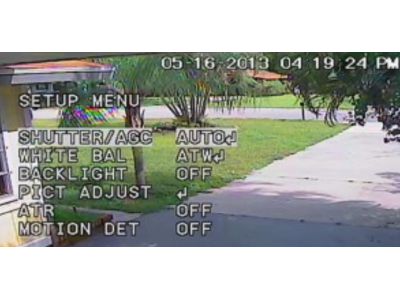
Optimizing Surveillance Cameras Using the OSD MenuSurveillance cameras often fail to deliver optimal video quality due to improper settings. The OSD (On-Screen Display) menu provides users with advanced customization options to fine-tune their cameras for different environments, such as indoor space..
Leer artículo
What Is a Varifocal Lens?
Guía 11/01/2025 305
What Is a Varifocal Lens?
What Is a Varifocal Lens?A varifocal lens offers the ability to adjust the focal length, thereby changing the field of view (FOV) and level of detail captured by a surveillance camera. This adaptability makes it possible to "zoom in" or "zoom out" on the observed scene without physically relocating ..
Leer artículo
Lentes cámara de vigilancia
Guía 11/01/2025 289
Lentes cámara de vigilancia
Overview of Surveillance Camera LensesSurveillance camera lenses are vital for achieving the desired field of view, image clarity, and light sensitivity. They can be categorized into two main types:Built-in Lenses: Fixed and non-replaceable.Removable Lenses: Purchased separately and interchangeable...
Leer artículo
Sensores cámara de vigilancia
Guía 11/01/2025 297
Sensores cámara de vigilancia
Overview of Camera SensorsThe sensor (matrix) in a surveillance camera plays a pivotal role in determining key characteristics such as:ResolutionSensitivity to lightNoise levelsSensors come in two primary technologies:CCD (Charge-Coupled Device)CMOS (Complementary Metal-Oxide-Semiconductor)How Senso..
Leer artículo
Mostrando 1 a 9 de 9 (1 Páginas)