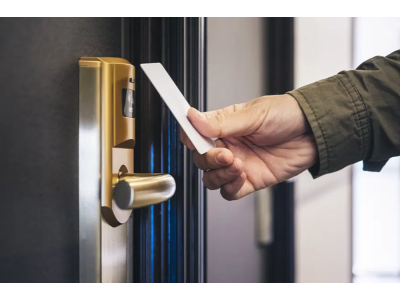
Access Control and Management Systems (ACMS) are vital for regulating and monitoring entry and exit points within various environments, enhancing security and operational efficiency. Understanding the essential equipment that constitutes ACMS is crucial for designing effective security solutions tailored to specific needs. This guide delves into the key components of ACMS, including readers, locks, turnstiles, controllers, and connectivity options, aligning with American standards and best practices.
Equipment for Access Control and Management Systems (ACMS)
Core Components of ACMS
Access Control and Management Systems typically comprise a broad range of hardware components, often complemented by specialized software. ACMS is utilized to manage access to designated areas within a facility, determining who can enter, when, and with what permissions.
Standard Equipment Set Includes:
- Barrier Devices: Turnstiles, gates, electromechanical locks on doors.
- Identifiers: Cards, key fobs, biometric data.
- Readers: Devices that capture and transmit identification data.
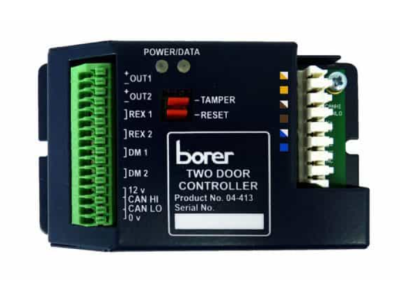
- Controllers: Central units that process access requests.
- Control Panels or Servers: Central management units.
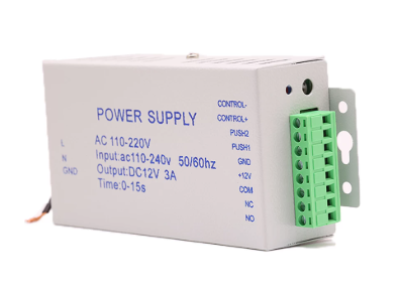
- Power Supplies: Ensure continuous operation of ACMS components.
- ציוד נוסף: Sensors, uninterruptible power supplies (UPS), buttons, etc.
Additionally, ACMS can be categorized based on connectivity methods: wired, IP-based, and wireless, each with its own set of advantages and drawbacks.
Types of Connectivity in ACMS
1. Wired ACMS
Traditional wired ACMS primarily utilize the RS-485 standard, a widely adopted protocol in industrial settings using a bus topology. This method relies on physical cabling to connect components, typically using twisted pair (UTP, Category 5) cables.
- יתרונות:
- Extended Range: Capable of transmitting data over long distances (up to 1,200 meters).
- אמינות: Stable connections with minimal interference.
- חסרונות:
- מורכבות ההתקנה: Requires extensive cabling, which can be time-consuming and costly.
- Limited Flexibility: Difficult to modify or expand once installed.
Performance Metrics:
- Data Transmission Speed: Varies based on cable quality and distance.
- At 1,200 meters: 62.5 Kbps
- At 10 meters: 10 Mbps
2. IP-Based ACMS
Networked ACMS leverage Ethernet protocols for data transmission, typically using UTP cables to connect devices to network hubs or switches.
יתרונות:
- High-Speed Communication: Supports data rates up to 1 Gbps.
- Ease of Integration: Easily connects to existing network infrastructures.
- התקנה פשוטה: Utilizes standard networking practices and equipment.
חסרונות:
- Distance Limitation: Effective up to 100 meters without additional networking hardware.
- Dependency on Network Stability: Requires a reliable network to function optimally.
3. Wireless ACMS
Modern wireless ACMS utilize various radio communication technologies, offering greater flexibility and reduced installation costs by eliminating the need for extensive cabling.
Common Wireless Technologies:
- Bluetooth: Suitable for short-range connections (up to 100 meters for Bluetooth 4.0). Prone to signal degradation due to obstacles.
- WiFi: Supports medium-range connectivity (several hundred meters). Eliminates the need for cabling but can suffer from interference.
- ZigBee: Low-power, secure communication ideal for smaller networks. Limited range and slower data rates.
- GSM: Enables long-range communication via mobile networks. Highly reliable but can be costlier due to data transmission fees.
יתרונות:
- חסכון עלות: Reduces expenses related to cabling and installation.
- Scalability: Easily add new components without significant infrastructure changes.
חסרונות:
- Security Concerns: Requires robust encryption to prevent unauthorized access and tampering.
- Signal Reliability: Susceptible to interference and requires strong security measures.
Readers in ACMS
קוראים are integral to ACMS, responsible for capturing and transmitting identification data from users to controllers for verification.
Types of Readers:
Touch Memory Readers:
- תיאור: Utilize contact-based memory keys.
- רכיבים: Consist of an identifier (key) and a reader unit (often referred to as a "loose").
- יתרונות: High speed (data read in seconds), ease of use, cost-effective.
- שימוש: Ideal for indoor environments with controlled access points.
Proxy (Contactless) Readers:
- תיאור: Detect RFID or NFC-enabled cards and key fobs.
- מאפיינים: Can include integrated keypads for PIN entry.
- יתרונות: Contactless operation, suitable for quick and convenient access.
- שימוש: Common in corporate offices, educational institutions, and commercial buildings.
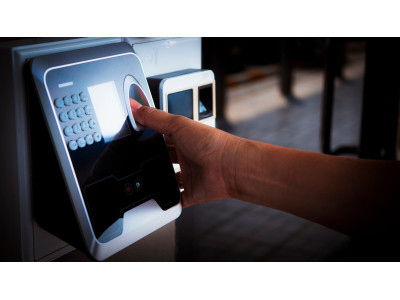
Biometric Readers:
- תיאור: Use physiological data (fingerprints, facial recognition, iris scans) for user authentication.
- יתרונות: High security, eliminates the need for physical identifiers.
- חסרונות: Higher cost, requires specialized equipment, potential privacy concerns.
- שימוש: Used in high-security environments such as government facilities, data centers, and premium office spaces.
Considerations for Reader Selection:
- סביבה: Outdoor readers must withstand weather conditions and potential vandalism, often featuring robust, weatherproof housings.
- Identification Method: Align the reader type with the desired authentication method (e.g., card-based vs. biometric).
- Integration Capabilities: Ensure compatibility with existing ACMS components and security systems.
- User Convenience: Balance security needs with ease of access for authorized users.
Locks in ACMS
Locks are the primary barrier devices in ACMS, controlling physical access to secured areas.
Types of Locks:
Electric Strikes:
- תיאור: Replace traditional door strikes, allowing doors to be held open or released electronically.
- יתרונות: Simple installation, cost-effective, suitable for controlled indoor access points.
- חסרונות: Vulnerable to tampering, require continuous power supply unless fail-safe.
- שימוש: Commonly used in office buildings, retail stores, and residential complexes.
Electromagnetic Locks (Maglocks):
- תיאור: Use strong electromagnets to secure doors when power is supplied.
- יתרונות: High holding force, fail-safe operation (doors unlock when power is lost), minimal moving parts.
- חסרונות: Require stable power supply, can be more expensive than electric strikes.
- שימוש: Suitable for high-security areas, emergency exits, and facilities requiring robust access control.
Electromechanical Locks:
- תיאור: Combine electronic control with mechanical locking mechanisms, often using solenoids or motors.
- יתרונות: Enhanced security, tamper-resistant, can offer both fail-safe and fail-secure operations.
- חסרונות: Higher cost, more complex installation, maintenance-intensive.
- שימוש: Ideal for government buildings, financial institutions, and facilities requiring high-security measures.
Lock Selection Criteria:
- Security Level: Assess the required security based on the sensitivity of the area being protected.
- סביבת התקנה: Consider whether the lock will be used indoors or outdoors, and choose accordingly.
- דרישות כוח: Ensure reliable power sources, especially for fail-safe systems.
- Integration with ACMS: Select locks compatible with controllers and other ACMS components for seamless operation.
Turnstiles in ACMS
סובבים are barrier devices that regulate and monitor pedestrian traffic, often used in high-traffic environments.
Types of Turnstiles:
Tripod Turnstiles:
- תיאור: Feature a central rotating arm with three pivot points.
- יתרונות: Simple design, cost-effective, easy to maintain.
- חסרונות: Limited security, easy to bypass by jumping over.
- שימוש: Suitable for low to medium traffic areas such as offices, gyms, and recreational facilities.
Rotary Turnstiles:
- תיאור: Consist of a vertical rotating arm or set of arms.
- יתרונות: High security, difficult to bypass, can accommodate multiple users simultaneously.
- חסרונות: Bulky, require more space, higher installation costs.
- שימוש: Ideal for high-security environments like airports, stadiums, and corporate headquarters.
Swing Turnstiles:
- תיאור: Feature horizontal arms that swing open upon valid access.
- יתרונות: Secure, aesthetically pleasing, integrates well with modern designs.
- חסרונות: More expensive, requires precise alignment and maintenance.
- שימוש: Common in upscale commercial buildings, educational institutions, and government facilities.
Selection Considerations:
- Traffic Volume: Choose turnstiles that can handle the expected flow of people without causing bottlenecks.
- Security Needs: Higher-security areas may require more robust turnstile types like rotary or swing.
- Space Availability: Ensure adequate space for installation, especially for larger turnstiles.
- Integration Capabilities: Ensure turnstiles can interface seamlessly with controllers and identification devices.
Controllers in ACMS
בקרים are the "brains" of ACMS, processing access requests and managing system operations.
Types of Controllers:
Standalone Controllers:
- תיאור: Operate independently without centralized management.
- מאפיינים: Store access codes locally, manage a limited number of access points.
- יתרונות: Cost-effective, simple to install, ideal for small-scale deployments.
- חסרונות: Limited scalability, lack of centralized control, restricted data storage.
- שימוש: Suitable for single-door installations, small businesses, and residential applications.
Networked Controllers:
- תיאור: Connected to a central management system or server.
- מאפיינים: Centralized control, ability to manage multiple access points, extensive data logging.
- יתרונות: Highly scalable, allows for centralized configuration and monitoring, integrates with other security systems.
- חסרונות: Higher cost, requires network infrastructure, more complex installation.
- שימוש: Ideal for large enterprises, multi-site facilities, and environments requiring comprehensive access control.
Controller Functionalities:
- Data Processing: Analyze identification data from readers and make access decisions.
- User Management: Store and manage user permissions and access levels.
- Event Logging: Record access events for auditing and security analysis.
- אינטגרציה: Interface with other security systems like fire alarms and video surveillance for coordinated responses.
Advanced Controller Features:
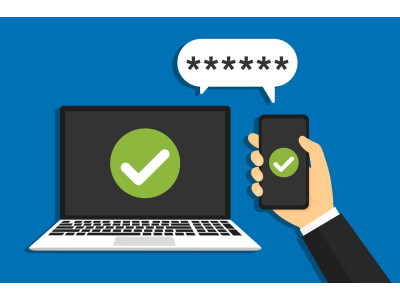
- Multi-Factor Authentication Support: Combine multiple identification methods for enhanced security.
- Remote Management: Allow administrators to manage and monitor the system from remote locations.
- Automated Alerts: Notify security personnel of unauthorized access attempts or system anomalies.
Additional ACMS Equipment
Beyond the core components, ACMS may incorporate various supplementary devices to enhance functionality and security.
1. Door Position Sensors:
- מטרה: Monitor the open or closed status of doors.
- שימוש: Trigger alarms or notifications if doors remain open unexpectedly, ensuring doors are secured.
2. Exit Buttons:
- מטרה: Allow users to manually request exit, ensuring safe and swift egress.
- שימוש: Typically installed near exits for emergency situations or routine use.
3. Uninterruptible Power Supplies (UPS):
- מטרה: Provide backup power to ACMS components during power outages.
- שימוש: Ensure continuous operation of critical security systems, maintaining access control integrity.
4. Relay Modules:
- מטרה: Facilitate communication between different ACMS components.
- שימוש: Connect controllers to barrier devices, enabling synchronized operation.
5. Indicators and Signage:
- מטרה: Provide visual and auditory signals regarding system status.
- שימוש: Install LED indicators and audible alerts on readers and barrier devices to inform users of access permissions.
Compliance with Standards and Regulations
Relevant Standards:
- NFPA 72 – National Fire Alarm and Signaling Code: Governs the design, installation, and maintenance of fire alarm and signaling systems, including aspects related to ACMS integration.
- National Electrical Code (NEC): Regulates the electrical aspects of alarm system installations to ensure safety and compliance.
- UL Standards: Provide safety and performance requirements for security alarm devices and components.
- OSHA Standards (29 CFR 1910): Include fire safety regulations for workplaces, covering the installation and maintenance of fire alarm systems to protect employees.
- Local Building Codes: Additional requirements specific to your locality must also be adhered to for compliance and safety.
Key Compliance Points:
- Detector Placement: Follow guidelines for placement distances from ceilings, walls, and each other to ensure optimal detection.
- ניתוב כבלים: Maintain required separations from power lines and other potential sources of interference.
- אינטגרציית מערכת: Ensure all detectors and devices are correctly integrated with the central control panel for coordinated alerting.
- Documentation and Certification: Keep detailed records of installations, testing, and compliance certifications to validate adherence to standards.
מחשבות אחרונות
Implementing effective Access Control and Management Systems (ACMS) equipment is essential for enhancing the security and operational efficiency of any facility. By adhering to established guidelines, selecting appropriate devices, ensuring robust communication networks, and integrating with other security measures, you can create a comprehensive protection solution that safeguards property and lives.
נקודות מפתח:
- Strategic Device Selection: Choose the right types of readers, locks, turnstiles, and controllers based on environmental needs and system design (addressable vs. non-addressable).
- Robust Cable Networks: Implement fire-resistant cables with proper routing, separation from power lines, and secure fastening to maintain system integrity.
- Reliable Communication: Decide between wired and wireless communication methods based on building layout, budget, and scalability requirements.
- Effective Control Devices: Utilize advanced control panels and management software for centralized monitoring and management.
- אינטגרציה חלקה: Integrate ACMS with other security and safety systems to enhance overall protection and response capabilities.
- ציות לסטנדרטים: Adhere strictly to NFPA 72, NEC, OSHA standards, and other relevant codes to ensure system legality, effectiveness, and reliability.
- מומחיות מקצועית: Engage certified security system engineers and installers to design and implement systems that meet all safety and regulatory requirements.
- Ongoing Maintenance: Implement regular maintenance and testing protocols to sustain system performance and compliance over time.
For expert assistance in designing access control and management systems, selecting appropriate equipment, or accessing comprehensive project documentation, visit safsale.com. Our specialists are ready to help you create and implement reliable, compliant, and effective access control systems tailored to your specific needs.
Important Notice on Standards
All referenced documents and standards in this guide are provided for informational purposes only and should not be used as official publications. For authoritative guidelines and legal requirements, always consult the official standards organizations or regulatory bodies.