
התרגום נמצא בהכנה. חלק מהטקסטים עדיין מוצגים באנגלית.
DIY Electrical Installation: Comprehensive Guide for Homes, Apartments, and Cottages

DIY Electrical Installation: Comprehensive Guide for Homes, Apartments, and Cottages

Introduction to DIY Electrical Installation

Embarking on DIY electrical installation projects in your home, apartment, or cottage is entirely feasible with the right knowledge and precautions. However, it requires a fundamental understanding of electricity, adherence to safety protocols, and compliance with electrical standards and regulations. This guide provides the essential theoretical information and practical advice needed to undertake electrical work safely and effectively.

Essential Knowledge for DIY Electrical Work

Before attempting any electrical installation, it’s crucial to grasp the basics of electricity, including the laws that govern it, the parameters and characteristics of electrical equipment, and the materials used in electrical installations. Familiarize yourself with the regulatory requirements outlined in standards such as the Russian "Rules for Electrical Installations" (PUE) and the International Electrotechnical Commission (IEC) standards, which modern PUE requirements closely align with.

Permitted DIY Electrical Tasks in the USA

In the USA, homeowners are allowed to perform certain electrical tasks without the need for permits or inspections, provided they comply with local building codes and safety regulations. Permissible tasks include:

  • Replacing or Repairing Outlets and Switches: Swapping out old outlets and switches with new ones.
  • Repairing Sections of Electrical Wiring: Fixing or replacing damaged wiring within existing circuits.
  • Installing New Light Fixtures, Outlets, and Switches: Adding new lighting fixtures or additional electrical outlets to existing circuits.

Other tasks, such as installing new circuits or significant electrical upgrades, typically require permits and must be performed by licensed electricians.

Safety and Electrical Compliance

When performing any electrical work, prioritize safety and compliance to prevent accidents and ensure the longevity and reliability of your electrical systems. Key safety measures include:

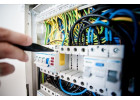
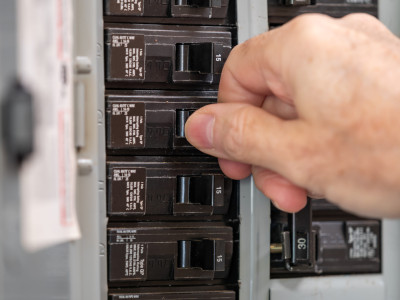
  • Personal Safety: Always turn off the power at the main electrical panel before starting any work. Use an insulated screwdriver and tools with insulated handles to reduce the risk of electric shock.
  • Electrical Safety: Ensure all connections are secure and properly insulated. Avoid overloading circuits by adhering to the rated capacity of breakers and outlets.
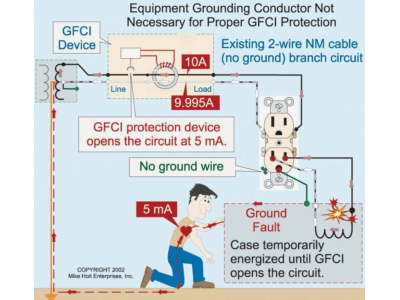
  • בטיחות אש: Use the correct wire gauge for your electrical load and ensure all connections are tight to prevent overheating and potential fires. Install appropriate circuit breakers and Ground Fault Circuit Interrupters (GFCIs) where necessary.

Basic Safety Techniques

  • De-Energize Circuits: Always disconnect power to the circuit you’re working on using the main breaker panel.
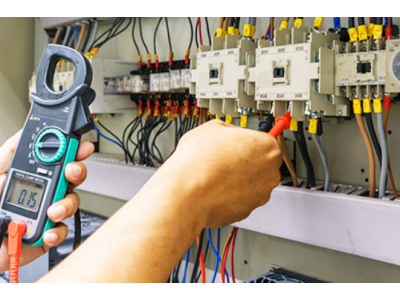
  • Verify Power is Off: Use a non-contact voltage tester or multimeter to confirm that the circuit is de-energized before touching any wires.
  • Use Insulated Tools: Employ tools with insulated handles to protect against accidental shocks.
  • Work in a Dry Environment: Ensure your workspace is dry to minimize the risk of electric shock.

Electrical and Fire Safety Best Practices

To mitigate the risks associated with electrical work, adhere to the following best practices:

  • Proper Wire Selection: Use wires with the appropriate insulation, material, and gauge to handle the intended electrical load.
  • Quality Electrical Components: Invest in high-quality switches, outlets, and junction boxes rated for your electrical requirements.
  • Secure Connections: Ensure all wire connections are tight and secure to prevent arcing and overheating.
  • Protective Devices: Install circuit breakers and GFCIs to provide overcurrent protection and prevent electrical fires and shocks.
  • הארקה: Properly ground all electrical systems to protect against electrical faults and reduce the risk of fire.

Planning Your DIY Electrical Project

Successful DIY electrical installation requires meticulous planning and adherence to standards. Follow these steps to ensure a safe and effective project:

  1. Design and Planning:

    • Assess Needs: Determine the scope of your electrical project, including the number of outlets, switches, and fixtures you plan to install.
    • Create a Diagram: Sketch a layout of your electrical system, indicating the placement of all components and the routing of wires.
    • Check Codes: Review local electrical codes and regulations to ensure your project complies with all safety standards.
  2. Gathering Materials:

    • Electrical Tools: Ensure you have the necessary tools, including wire strippers, screwdrivers, voltage testers, and multimeters.
    • Quality Components: Purchase high-quality electrical outlets, switches, wiring, and protective devices that meet the required specifications.
  3. Execution:

    • Follow the Diagram: Adhere strictly to your electrical diagram to ensure proper installation and functionality.
    • Secure Connections: Make sure all electrical connections are tight and properly insulated to prevent hazards.
    • Double-Check Work: Before restoring power, review all connections and installations to ensure they are correct and safe.
  4. Testing and Verification:

    • Power On: Carefully restore power to the electrical system.
    • Test Functionality: Verify that all installed outlets, switches, and fixtures operate correctly.
    • Monitor for Issues: Keep an eye out for any signs of malfunction, such as flickering lights or tripped breakers, and address them promptly.

When to Seek Professional Help

While DIY electrical work can be rewarding and cost-effective, certain tasks should always be handled by licensed electricians to ensure safety and compliance:

  • Installing New Circuits: Adding new circuits to your electrical panel often requires professional expertise.
  • Upgrading Electrical Panels: Modernizing or expanding your electrical panel should be done by professionals to meet current safety standards.
  • Handling Complex Wiring: Projects involving complex wiring configurations or high-voltage installations necessitate professional intervention.

מסקנה

DIY electrical installation in your home, apartment, or cottage is achievable with the right knowledge, tools, and adherence to safety protocols. By understanding the basics of electricity, following safety guidelines, and complying with electrical standards, you can successfully undertake a variety of electrical projects. However, always recognize your limits and seek professional help for complex or high-risk tasks to ensure a safe and reliable electrical system.

ב safsale.com, we provide a wide range of high-quality electrical components and tools to support your DIY projects. Equip yourself with the right materials and knowledge to create a safe and efficient electrical system in your living space. For more information and to explore our selection of electrical products, visit safsale.com
Smart Link Academy חשמל 163 articles in this section

כאשר לשדרג כבילה מובנית: לבנות מקרה עסקי ספציפי אתר
Guide 10/28/2026 50
כאשר לשדרג כבילה מובנית: לבנות מקרה עסקי ספציפי אתר
Safsale Editorial · U.S. Field GuidesA market-growth headline does not tell an owner whether a building needs new cabling. A useful investment case starts with measured constraints: failed links, undocumented routes, insufficient pathways, unsupported device power, or an expansion that the existing ..
קרא מאמר
אבטחת הכבלים: לבנות את תוכנית הבדיקה והתווית לפני ההתקנה
Guide 10/28/2026 41
אבטחת הכבלים: לבנות את תוכנית הבדיקה והתווית לפני ההתקנה
Safsale Editorial · U.S. Field GuidesClean cabling is not just a neat rack. The useful result is a connection that can be identified, tested, and repaired without guessing. Write the test and labeling plan alongside the equipment schedule, before cable is pulled.Start with endpoints and pathwaysGive..
קרא מאמר
What is Active Power? Definition, Measurement & Efficiency
Guide 02/26/2025 360
What is Active Power? Definition, Measurement & Efficiency
Understanding Active Power: Formula, Measurement & Energy Efficiency1. What is Active Power?Active power (P) is the real power that performs useful work in an electrical circuit. It is the portion of electrical energy converted into:✔ Mechanical work (motors, fans)✔ Heat (heaters, ovens)✔ Light ..
קרא מאמר
אמטר: סוגים, חיבור, יישומים טיפים בטיחות &
Guide 02/26/2025 376
אמטר: סוגים, חיבור, יישומים טיפים בטיחות &
What is an Ammeter? Types, Connection Methods & UsageAn ammeter is a measuring instrument used to determine the electric current (amperes) in a circuit. It plays a vital role in electrical diagnostics, monitoring, and troubleshooting.This guide covers:✔ Types of ammeters✔ How to connect an ammet..
קרא מאמר
Understanding Electric Current: Definition, Measurement & Key Principles
Guide 02/26/2025 430
Understanding Electric Current: Definition, Measurement & Key Principles
What is Electric Current? Units, Formula & How to Measure ItElectric current is one of the fundamental principles in electricity, representing the flow of electric charge through a conductor. Understanding its properties and how to measure it is crucial for electrical engineering, electronics, a..
קרא מאמר
Electrical Measurements: Methods, Devices & Key Parameters
Guide 02/26/2025 377
Electrical Measurements: Methods, Devices & Key Parameters
Understanding Electrical Measurements: Methods, Instruments & ApplicationsElectrical measurements are fundamental in electronics, electrical engineering, and industrial applications. They help determine voltage, current, resistance, power, and other critical electrical parameters.Accurate electr..
קרא מאמר
אנשי קשר יבשים: הגדרה, יישומים & איך הם עובדים
Guide 02/26/2025 516
אנשי קשר יבשים: הגדרה, יישומים & איך הם עובדים
What Are Dry Contacts? Definition, Function & UsesA dry contact is a type of electrical connection where two metal plates (contacts) either touch (closed) or have an air gap (open) between them.Dry contacts are also known as "potential-free contacts" because they do not carry any external power ..
קרא מאמר
מהו מגע חשמלי? סוגים, מאפיינים יישומי &
Guide 02/26/2025 435
מהו מגע חשמלי? סוגים, מאפיינים יישומי &
Electrical Contacts: Types, Characteristics & FunctionsAn electrical contact is a conductive interface between materials that allows current to pass through an electrical circuit.Electrical contacts are found in switches, relays, circuit breakers, connectors, and other electrical devices where c..
קרא מאמר
מהו התקן החלפה? סוגים, פונקציות יישומים &
Guide 02/26/2025 407
מהו התקן החלפה? סוגים, פונקציות יישומים &
Switching Devices: Types, Functions & Their Role in Electrical SystemsA switching device (commonly known as a commutating apparatus) is an electrical component used to control the flow of current in a circuit by opening, closing, or redirecting the connection between electrical components.These ..
קרא מאמר
מנועים אסינכרוניים לעומת מנועים סינכרוניים: הבדלים מרכזיים ויישומים
Guide 02/26/2025 361
מנועים אסינכרוניים לעומת מנועים סינכרוניים: הבדלים מרכזיים ויישומים
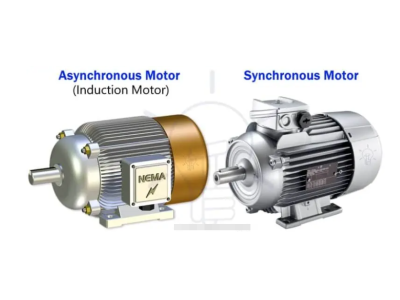
Asynchronous vs. Synchronous Motors: Construction, Function & Use CasesAsynchronous (Induction) and Synchronous motors are the two main types of AC motors used in industrial, commercial, and household applications. Both share a similar stator-rotor construction, but they differ significantly in ..
קרא מאמר
Stepper Motors: Working Principle, Types & Applications
Guide 02/26/2025 389
Stepper Motors: Working Principle, Types & Applications
Stepper Motors: Functionality, Types & Practical UsesStepper motors are electromechanical devices that convert electrical pulses into precise mechanical movement. Unlike traditional electric motors that rotate continuously, stepper motors move in fixed steps, providing high precision positioning..
קרא מאמר
מנועים AC: מאפיינים, סוגי מחלף שיטות שליטה &
Guide 02/26/2025 465
מנועים AC: מאפיינים, סוגי מחלף שיטות שליטה &
Understanding AC Motors: Features, Commutator Motors & Control SystemsAlternating current (AC) motors are essential components in industrial automation, home appliances, and electric transport. These motors transform electrical energy into mechanical motion using alternating current, making them..
קרא מאמר
DC מנועים: עקרון פעולה, סוגי עוררות וטכנולוגיה ללא פחמים
Guide 02/26/2025 421
DC מנועים: עקרון פעולה, סוגי עוררות וטכנולוגיה ללא פחמים
Understanding DC Motors: Types, Excitation, and Brushless TechnologyDC motors are widely used in various applications, from home appliances to industrial automation and electric vehicles. Unlike AC motors, DC motors operate on direct current, making them ideal for precise speed control and high torq..
קרא מאמר
Synchronous Motors: How They Work and Best Applications
Guide 02/26/2025 370
Synchronous Motors: How They Work and Best Applications
Understanding Synchronous Motors and Their OperationSynchronous motors are a type of AC motor where the rotor speed matches the frequency of the stator’s magnetic field. They are widely used in industrial applications that require precise speed control and high efficiency.This article explores the s..
קרא מאמר
שיטות התחלה רכות למנועי אינדוקציה: פתרונות שליטה יעילים
Guide 02/26/2025 555
שיטות התחלה רכות למנועי אינדוקציה: פתרונות שליטה יעילים
Induction Motor Starting Methods: Efficient TechniquesInduction motors are widely used in industries due to their reliability, efficiency, and simple design. However, starting an induction motor requires careful management to prevent high inrush currents and mechanical stresses.This article explores..
קרא מאמר
How Asynchronous Motors Work: Single-Phase vs. Three-Phase
Guide 02/26/2025 380
How Asynchronous Motors Work: Single-Phase vs. Three-Phase
Understanding Asynchronous Motors: Types and OperationAn asynchronous motor, commonly known as an induction motor, is an electric machine that converts AC electrical energy into mechanical energy. Unlike synchronous motors, the rotor speed in an asynchronous motor is always lower than the rotating m..
קרא מאמר
Electrical Safety Shutdown: How Protective Devices Prevent Hazards
Guide 02/26/2025 369
Electrical Safety Shutdown: How Protective Devices Prevent Hazards
Protective Shutdown of Electrical SystemsWhat Is Protective Electrical Shutdown?Protective electrical shutdown refers to the automatic disconnection of power in case of fault conditions to prevent damage to electrical equipment and ensure personal safety. This system detects short circuits, overload..
קרא מאמר
Understanding IP Protection Ratings: What They Mean and How to Choose
Guide 02/26/2025 462
Understanding IP Protection Ratings: What They Mean and How to Choose
IP Protection Standards: What You Need to KnowWhat Is an IP Rating?An IP (Ingress Protection) rating is an international standard that defines how well electrical devices are protected from solid particles (dust, debris) and liquids (water, moisture).Why Does It Matter?Ensures electrical safety in v..
קרא מאמר
גילוי תקלה בגז במתחם: עקרון הפעולה וחשיבותו
Guide 02/26/2025 378
גילוי תקלה בגז במתחם: עקרון הפעולה וחשיבותו
Understanding Transformer Gas Protection RelaysWhat Is Transformer Gas Protection?Gas protection in oil-filled transformers is a crucial safety feature that monitors the oil level, gas formation, and circulation speed to detect faults and prevent major failures.Why is it important?✔ Detects oil leak..
קרא מאמר
הגנה עכשווית: סוגים, עיקרון עבודה וחשיבות
Guide 02/26/2025 493
הגנה עכשווית: סוגים, עיקרון עבודה וחשיבות
Overcurrent Protection: Understanding Its Role in Electrical SafetyWhat Is Overcurrent Protection?Overcurrent protection is a critical safety mechanism in electrical circuits that automatically disconnects a circuit or system when the current exceeds a predefined limit.Many people associate overcurr..
קרא מאמר
Understanding Relay Protection: Types, Functions, and Key Requirements
Guide 02/26/2025 439
Understanding Relay Protection: Types, Functions, and Key Requirements
Relay Protection: Types, Functions, and Key RequirementsWhat Is Relay Protection?Relay protection is an automated system designed to detect faults in electrical networks and isolate faulty sections to prevent damage and ensure system stability.As one of the core components of electrical automation, ..
קרא מאמר
ציוד חשמלי והגנה על קווי חשמל: סוגים ומכשירים
Guide 02/26/2025 319
ציוד חשמלי והגנה על קווי חשמל: סוגים ומכשירים
Electrical Equipment and Power Line Protection: Types and DevicesWhy Electrical Protection MattersElectrical systems are exposed to various risks, including short circuits, overloads, voltage fluctuations, and power surges. Without proper protection, these issues can damage equipment, cause fires, o..
קרא מאמר
Main Distribution Board (MDB): Function, Types, and Marking
Guide 02/26/2025 452
Main Distribution Board (MDB): Function, Types, and Marking
Main Distribution Board (MDB): Role, Types, and LabelingWhat Is a Main Distribution Board?A main distribution board (MDB) is a key electrical device responsible for receiving electricity from the utility grid and distributing it to individual circuits.Besides power distribution, MDBs often include:⚡..
קרא מאמר
קטגוריות אמינות ספק כוח: הבנת הסטנדרטים
Guide 02/25/2025 456
קטגוריות אמינות ספק כוח: הבנת הסטנדרטים
Power Supply Reliability Categories: Understanding the StandardsWhat Is Power Supply Reliability?Power supply reliability does not mean uninterrupted power supply. Instead, it refers to the ability of an electrical system to provide power within the allowable time limits based on its category.Electr..
קרא מאמר
Showing 1 to 24 of 163 (7 Pages)