
Choosing a Home Security System
Whether you need to protect a small house or a large estate, selecting the right security system is critical. The primary options include:
- Autonomous Systems: Cost-effective and suitable for basic needs.
- GSM Systems: Provide remote alerts via mobile networks.
- Centralized Monitoring (Pult Systems): Ideal for urban homes but less practical for remote locations.
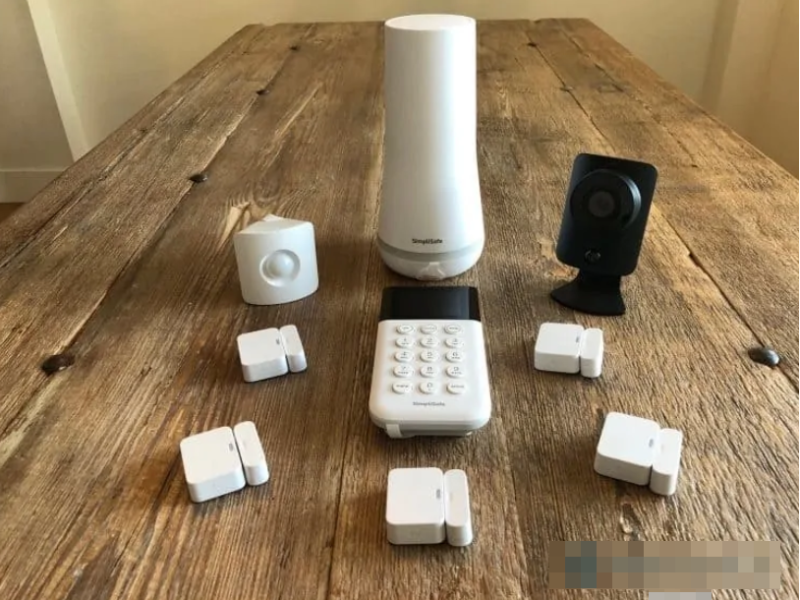
Each system can be tailored to your requirements, but a foundational setup usually includes:
- Control panel.
- Sensors (motion, door/window, glass break).
- Audible/visual alarms.
- Power supply or backup.
Key Considerations for Home Security
Sensor Placement
- Windows: Install magnetic contact sensors for opening and acoustic sensors for glass break detection.
- Doors: Secure with both motion and magnetic contact sensors.
- Interior Zones: Use motion detectors in hallways and common areas.
Control Panel Selection
The control panel's capacity determines the number of zones (or circuits) it can manage. For most homes:
- A 4-zone panel is sufficient for basic setups.
- Larger homes may require panels with 8-20 zones.
Alarm Types
- Outdoor Alarms: Designed to withstand weather conditions.
- Indoor Alarms: Focus on loudness and visibility.
Wireless vs. Wired Systems
Wireless Systems
- Pros:
- Easy to install and scale.
- Addressable (unique ID for each sensor).
- Flexible and reconfigurable.
- Cons:
- Higher cost.
- Battery maintenance required.
- Signal reliability depends on environment.
Wired Systems
- Pros:
- Cost-effective.
- Reliable and stable connections.
- Compatible with various brands and sensors.
- Cons:
- Complex installation.
- May disrupt home aesthetics.
GSM Security Systems
GSM systems connect to mobile networks to send alerts and updates. They’re perfect for remote monitoring.
Key Features:
- Instant SMS or call alerts.
- Support for additional sensors (e.g., water leak, gas detection).
- Some systems integrate with mobile apps for remote control.
Tips:
- Ensure sufficient mobile network coverage at your home.
- For areas with weak signals, consider dual-SIM systems or GSM repeaters.
- Choose systems with signal monitoring to detect interference or outages.
Security Kits for Homes
For a DIY approach, opt for pre-configured kits. Typical kits include:
- Motion sensors.
- Door/window sensors.
- Control panel with built-in GSM module.
- Sirens and power supply.
Popular Choices:
Wired Kits:
- Cost-effective and reliable for permanent installations.
- Brands: Astra, Bolide Orion, Vers.
Wireless Kits:
- Ideal for homes with modern interiors or rental properties.
- Popular options: Astra RI-M systems.
GSM Kits:
- Combine wireless functionality with mobile network capabilities.
- Look for brands offering app integration and video support.
FAQs About Home Security Systems
1. Should I choose a wired or wireless system?
- Wired: Best for cost-sensitive, permanent setups.
- Wireless: Suitable for flexibility and modern aesthetics.
2. How reliable are GSM systems?
- Reliable in areas with strong mobile network coverage. Use dual-SIM or repeaters in weak signal areas.
3. Can I install the system myself?
- Yes, especially for wireless or pre-configured kits. Professional installation is recommended for complex wired systems.
4. What if my budget is limited?
- Start with a basic system (e.g., motion detectors and door sensors). Add components over time as needed.
Conclusion
Securing your home is a critical investment in your family’s safety. Whether you choose a GSM system, a wired setup, or a wireless solution, ensure it meets your home’s unique needs. Explore affordable and reliable options today at safsale.com
Related products from Safsale
Continue from Academy guidance to live equipment and components available on Safsale.


