
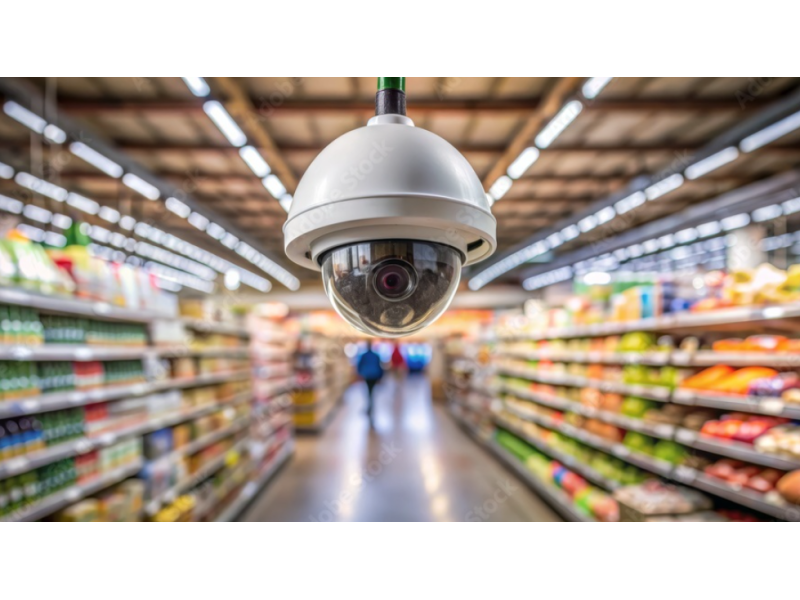
Video Surveillance in Supermarkets
Effective video surveillance systems are essential for monitoring large-scale retail operations, ensuring safety, and preventing theft. Properly installed systems enable real-time monitoring and post-event analysis, covering areas like sales floors, cash registers, storage rooms, and loading docks.
Key Components and Benefits of Surveillance
1. Enhanced Security
- Surveillance cameras deter theft by monitoring customer behavior and employee activities.
- Integrated systems like Cash Control help reduce incidents of fraud and ensure accurate transaction monitoring.
2. Operational Efficiency
- Surveillance assists in managing customer flow, ensuring efficient use of space and optimized staff allocation.
- Video records support training efforts by highlighting best practices and identifying areas for improvement.
Classification of Supermarket Surveillance Systems
Standard Systems
- Feature SD-resolution cameras with basic functionality, suitable for small retail setups.
- Allow remote viewing but lack advanced analytics.
Professional Systems
- Utilize HD cameras for high-quality video feeds, ideal for large supermarkets.
- Support advanced analytics, remote management, and integration with other systems like cash register monitoring.
Core Features of Supermarket Surveillance
1. Cash Control Monitoring
- Cash Control systems consist of hardware and software that monitor cashier activities in real-time.
- These systems ensure compliance, detect anomalies, and reduce theft by continuously logging transactions and correlating them with recorded video.
2. Multi-Zone Monitoring
Surveillance systems must cover:
- Parking areas: Prevent vehicle-related crimes.
- Entrance zones: Capture foot traffic and potential threats.
- Cashier zones: Monitor transactions for irregularities.
- Sales floors: Track customer movement to optimize displays and prevent theft.
- Storage and loading docks: Prevent inventory loss and ensure safety compliance.
3. Legal Compliance
- Ensure systems adhere to local privacy laws and regulations, with clear signage informing customers of active surveillance.
Criteria for Choosing Surveillance Systems
1. Camera Placement
- Cameras should be installed at strategic locations with minimal blind spots.
- Use wide-angle lenses for general monitoring and zoom lenses for specific tasks like cashier monitoring.
2. Real-Time vs. Archived Monitoring
- Decide on the balance between live monitoring for security purposes and archived footage for post-event analysis.
3. Technology Integration
- Systems should integrate seamlessly with existing security infrastructure, such as alarms and access control.
- Advanced systems support analytics like heat mapping to identify high-traffic areas.
Advanced Features of Professional Systems
1. High-Resolution Imaging
- HD and 4K cameras capture clear footage, essential for identifying individuals and small objects.
2. Night Vision and Low-Light Performance
- Infrared (IR) technology ensures visibility in poorly lit areas, such as storage rooms and parking lots.
3. Remote Access and Cloud Storage
- Allow managers to access live feeds and recorded footage via mobile apps or web platforms.
- Cloud storage ensures secure and scalable data archiving.
4. Customizable Alerts
- Systems can notify security teams of unauthorized access or unusual activity via email or mobile alerts.
Implementation Best Practices
Strategic Planning:
- Identify high-risk areas and prioritize camera installation accordingly.
Regular Maintenance:
- Schedule periodic checks to clean camera lenses, update firmware, and ensure uninterrupted recording.
Training:
- Train security staff on effectively using the system, reviewing footage, and responding to incidents.
Customer Transparency:
- Display signs indicating active surveillance to comply with legal requirements and build trust.
Conclusion
- Enhanced Security and Accountability: Advanced surveillance reduces theft and improves transparency in cash handling.
- Operational Insights: Analyze customer behavior to refine store layouts and boost sales.
- Compliance and Reliability: Ensure adherence to legal standards and maintain system reliability with regular updates.
- Future-Ready: Choose scalable systems that can integrate with emerging technologies like AI analytics and facial recognition.
Investing in a robust video surveillance system ensures security, efficiency, and customer satisfaction, making it indispensable for modern supermarkets.
Shop this topic
Browse Surveillance Cameras Related products from Safsale
Continue from Academy guidance to live equipment and components available on Safsale.
 Reolink RLC-823A 8 Megapixel Outdoor PTZ IP Camera, 2.7-13.5mm LensView product
  Reolink Argus-2e Indoor/Outdoor Wire Free Smart Security Camera 1080pView product
  Hanwha Vision SND-6084 2MP Full HD Day/Night IP Dome Camera, 3-8.5mmView product
  Hikvision ECI-T24F2 4 Megapixel Network IR Outdoor Dome Camera, 2.8mm LensView product
Bank Surveillance Systems
10/01/2025
Office Surveillance Systems
10/01/2025