
Key Factors Influencing Video Surveillance Quality
When assessing the quality of a video surveillance system, several crucial elements come into play. From camera specifications to the supporting equipment, a well-integrated system ensures optimal performance.
Cameras: The Heart of Any Surveillance System
Resolution Standards
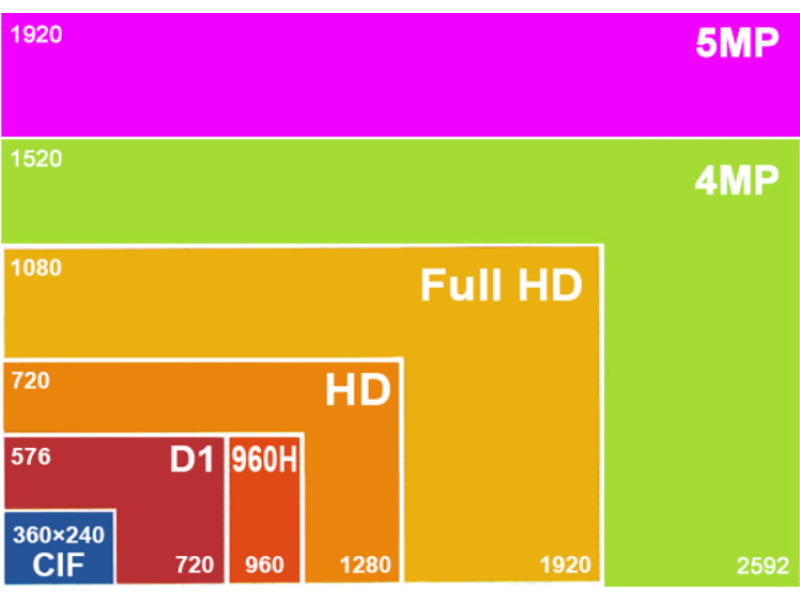
The clarity and detail of video footage are largely determined by the resolution of the cameras. Here's a breakdown of common standards:
- 720p (HD): Suitable for basic surveillance needs.
- 1080p (Full HD): Offers clearer detail for more complex scenarios.
- 3 MP and above: Ideal for high-precision monitoring, particularly in IP systems.
Types of Surveillance Systems
- Analog Systems: Once dominant, now less common due to lower image quality.
- AHD (Analog High Definition): Balances affordability and resolution (720p–1080p).
- IP Cameras: Provide superior resolution and network connectivity for advanced setups.
Critical Camera Features
- Low-Light Sensitivity: Essential for nighttime or dimly lit environments.
- On-Screen Display (OSD): Allows precise adjustments for optimal performance.
- Automated Adjustments: Includes white balance, backlight compensation, and signal gain.
A camera’s image sensor plays a pivotal role, with renowned brands like Sony setting benchmarks in performance and reliability.
High-Quality Video Surveillance Systems
Recording and Storage Devices
To maintain overall quality, the specifications of all system components must align:
- Recorders (NVR/DVR): Ensure the recording device matches the camera's resolution capabilities.
- Monitors: Choose displays with appropriate resolutions to avoid underutilizing high-quality footage.
Additional Equipment
The performance of supplementary components also impacts the system:
- Network Switches: For IP-based setups, reliable switches ensure seamless data transmission.
- Signal Transmitters and Cables: High-quality cables minimize signal loss and maintain image integrity.
Avoiding Bottlenecks and Overengineering
Balanced Configurations
- Avoid mismatched specifications between cameras, recorders, and monitors.
- Ensure that all components complement each other for efficient operation.
Proper Installation and Maintenance
- Even the best equipment can fail to deliver if improperly installed or poorly maintained.
Conclusion
Quality video surveillance relies on more than just high-end cameras. A harmonious integration of components—cameras, recorders, displays, and supporting hardware—along with professional installation and maintenance ensures effective monitoring and security.
Related products from Safsale
Continue from Academy guidance to live equipment and components available on Safsale.
 Reolink RLC-823A 8 Megapixel Outdoor PTZ IP Camera, 2.7-13.5mm LensView product
  Reolink Argus-2e Indoor/Outdoor Wire Free Smart Security Camera 1080pView product
  Hanwha Vision SND-6084 2MP Full HD Day/Night IP Dome Camera, 3-8.5mmView product
  Hikvision ECI-T24F2 4 Megapixel Network IR Outdoor Dome Camera, 2.8mm LensView product