
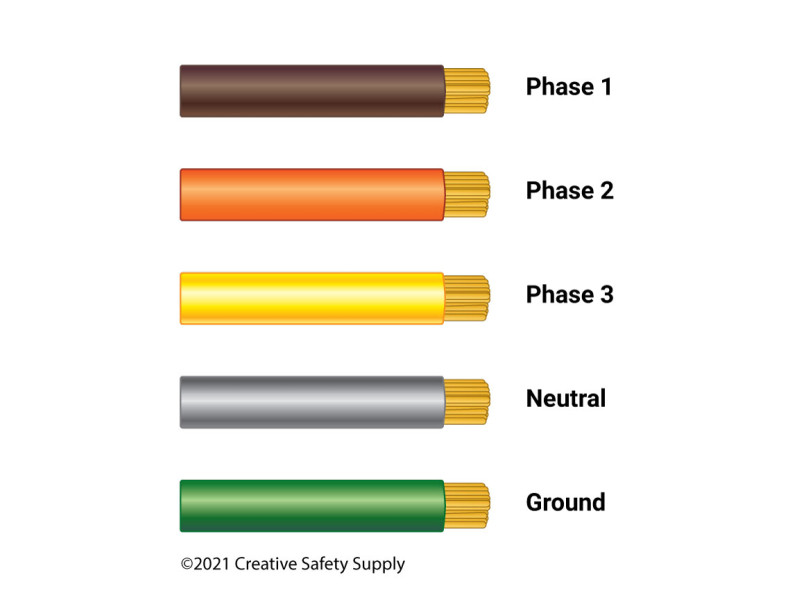
The Importance of Wiring Color Codes
Electricity powers our daily lives, but improper handling of electrical wiring can lead to severe consequences, including short circuits, appliance damage, and even life-threatening hazards.
One of the most fundamental safety rules in electrical work is understanding wiring color codes. Professional electricians rely on standardized wire markings to ensure safe installations, prevent mistakes, and simplify troubleshooting during repairs or system upgrades.
Modern electrical systems follow strict international standards, ensuring that wire colors remain consistent for easy identification.
Standard Wiring Color Codes
Over the years, governments and regulatory bodies have implemented standardized wiring colors to enhance safety and efficiency. In the United States, wire colors follow the National Electrical Code (NEC) standards.
Common Wire Colors in Electrical Wiring
| Wire Function | Standard Color (USA) |
|---|---|
| Phase (Hot) Wire | Black, Red, or Blue (in three-phase systems) |
| Neutral Wire | White or Gray |
| Ground Wire | Green or Bare Copper |
These color codes must be strictly followed to avoid dangerous wiring mistakes.
Phase (Hot) Wire
The phase wire carries live electrical current from the power source to electrical devices. It is always under voltage and requires careful handling.
- In single-phase systems, the phase wire is typically black.
- In three-phase systems, multiple phase wires are used and may be colored red, black, or blue for easy identification.
The phase wire should always be connected to a circuit breaker to prevent overloads and short circuits.
Neutral Wire
The neutral wire (typically white or gray) serves as a return path for electrical current to complete the circuit.
Unlike phase wires, the neutral wire is not live under normal conditions. However, faulty wiring or system imbalances can still cause voltage to appear on the neutral wire, making it potentially dangerous.
Never use the neutral wire as a ground wire. These wires serve different purposes, and improper wiring can cause electrical hazards.
Ground Wire (Protective Earth)
The ground wire is essential for safety. It is marked green (or bare copper) and provides a direct path for electrical faults, preventing electric shocks and fire hazards.
- Ground wires are not live in normal operation.
- If a short circuit occurs, the ground wire redirects excess current safely to the earth, triggering protective devices like GFCIs (Ground Fault Circuit Interrupters).
Grounding is mandatory for appliances with metal housings, such as washing machines, refrigerators, and ovens, to prevent accidental electrocution.
Electrical Wiring Regulations & Safety Standards
Modern homes and commercial buildings must comply with strict wiring standards to ensure electrical safety.
Key factors to consider:
- Wire quality (Copper is preferred over aluminum for better conductivity)
- Wire gauge (AWG) (Wire thickness must match the electrical load)
- Proper insulation (Heat-resistant coatings prevent fires)
- Correct installation methods (Conduit, cable trays, or direct burial as required)
Additional protective devices like GFCIs and AFCIs (Arc Fault Circuit Interrupters) are now mandatory in many electrical installations, providing extra protection against shock hazards and fire risks.
Best Practices for Safe Electrical Wiring Installation
- Never mix up wire functions – The ground wire should never be used as a neutral wire.
- Use wire connectors and junction boxes – Avoid exposed connections to prevent short circuits.
- Secure all wiring properly – Loose wires can cause electrical fires.
- Turn off power before working on electrical systems – Always check for voltage with a tester before handling wires.
- Hire a licensed electrician – If unsure, always seek professional help for electrical work.
Diagnostic & Maintenance Tips for Electrical Wiring
- Regularly inspect wiring for wear, corrosion, or loose connections.
- Use thermal imaging to detect overheating wires inside walls.
- Check for proper grounding to prevent electrical failures.
- Label wires correctly during installations to simplify future maintenance.
Modern wire testers and circuit analyzers allow electricians to diagnose wiring issues without dismantling walls or fixtures.
Final Thoughts: Why Wiring Color Codes Matter
Understanding wiring color codes is essential for ensuring safe and efficient electrical installations.
Standardized color markings for phase, neutral, and ground wires help prevent wiring mistakes that could lead to fires, electric shocks, or costly equipment damage.
By following NEC regulations and best practices, you can enhance electrical safety, reduce risks, and ensure long-term system reliability.
Electrical work should always be performed by qualified electricians to comply with safety regulations and prevent hazards.
Why Choose SafSale.com for Electrical Supplies?
At safsale.com, we offer high-quality electrical wiring, circuit breakers, and safety equipment to help you meet industry standards. Browse our selection and upgrade your electrical system with confidence.
Visit us today at safsale.com for top-rated electrical solutions.