

Safsale Knowledge Center
Practical knowledge for security, electrical and connected systems
Explore technical guides, industry explanations, equipment reviews and practical field-oriented materials covering surveillance, access control, alarms, electricity, electronics and modern automation.
1029technical articles
11core disciplines
Field-firstpractical knowledge
U.S.standards & applications
Start here
Browse all articles
Choose a learning path




Guide 03/08/2025
454
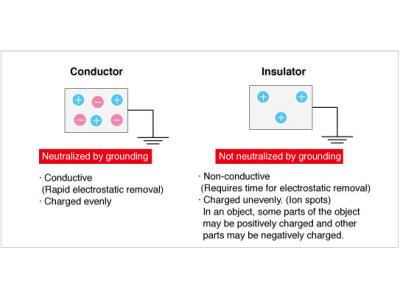
Grounding vs. Neutralization: Key Differences in Electrical Safety
Electrical wiring in buildings relies on proper grounding and neutralization to ensure safety and system integrity. In simple terms, neutralization (or “bonding to neutral”) connects non-energized parts of an electrical system to the neutral conductor, while grounding links those parts to a dedicate..
קרא מאמר
Guide 03/08/2025
361
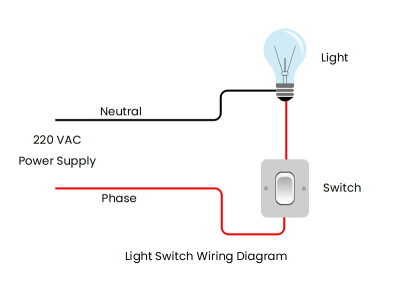
Apartment Electrical Wiring & Power Supply Systems
Electrical wiring in an apartment refers to the complete network of cables, outlets, switches, and distribution panels that ensure a reliable and safe power supply throughout the home. Whether you’re upgrading your system or planning a new installation, understanding the wiring layout is essential f..
קרא מאמר

Guide 03/08/2025
536
What Fire Alarm Systems React To
Fire alarm systems are designed to detect the early signs of a fire—such as smoke, rising temperatures, and visible flames—and promptly trigger safety measures. They typically rely on a variety of detectors, including smoke, heat, and flame sensors. However, in addition to genuine fire-related facto..
קרא מאמר
Guide 03/08/2025
431
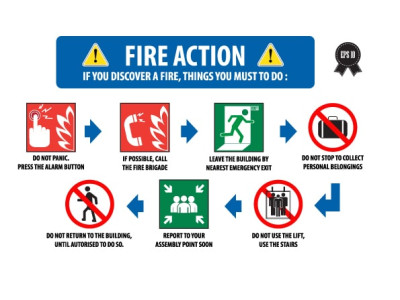
Fire Alarm Response Protocol: Steps & Best Practices
Effective fire alarm response is crucial for protecting lives and property in any facility—whether it's a private home, office, or commercial establishment. Prompt, well-coordinated actions can significantly reduce risks and damage during a fire. Below is an overview of the essential procedures to f..
קרא מאמר

Guide 03/08/2025
471
Why Fire Alarm Systems Matter
Fire alarm systems are a critical component of modern safety infrastructure, protecting both commercial properties and residential dwellings. By promptly detecting signs of a fire and initiating a coordinated response, these systems save lives, protect assets, and reduce property damage. Let’s explo..
קרא מאמר

Guide 03/08/2025
419
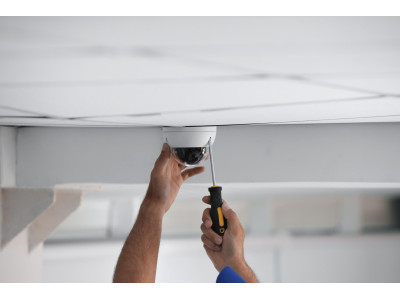
How to Check and Maintain Your CCTV Camera
A CCTV camera or any video surveillance system can give a false sense of security if it isn’t consistently monitored or tested to ensure proper function. From verifying stable power input to confirming motion detection accuracy, regular checks keep your investment effective. Below, we detail various..
קרא מאמר
Guide 03/08/2025
430
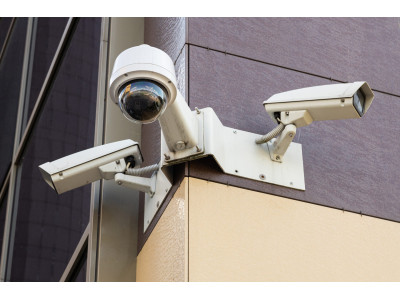
How to Set Up a Security Camera
A well-configured security camera helps safeguard your home or business, providing reliable video footage and remote monitoring capabilities. Below, we outline each step – from choosing the right spot and wiring to adjusting imaging parameters and ensuring system security.1. Planning the Installatio..
קרא מאמר
Guide 03/08/2025
442
Why Install CCTV Cameras and What’s Needed for Setup
Video surveillance cameras primarily serve to convert a real-time optical image into an electronic signal—then processed or stored by recording devices and displayed on monitors. Modern systems rely on various camera types, each suited to particular conditions. Below, we explain why CCTV cameras are..
קרא מאמר

Guide 03/07/2025
376
Dielectric Permittivity: Fundamentals, Types, and Practical Applications
Dielectric permittivity—often known simply as “permittivity” or “dielectric constant”—reflects how a material responds to an electric field. By polarizing internally, a dielectric reduces the effective field within it. This property underpins a range of technologies, from capacitors and insulators t..
קרא מאמר
Guide 03/07/2025
452
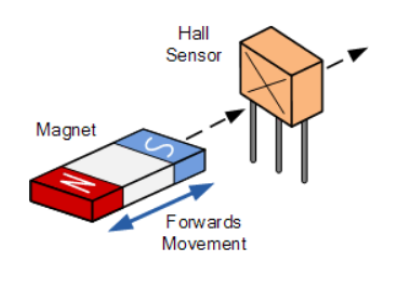
Hall Effect Sensors: Operation, Types, and Quick Testing
A Hall effect sensor is a magnetic transducer that converts a magnetic field strength into an electrical signal. By detecting changes in a magnetic field, these sensors are widely used in automotive applications (e.g., for ignition timing and speed sensing), as well as in consumer electronics (lapto..
קרא מאמר
Guide 03/07/2025
439
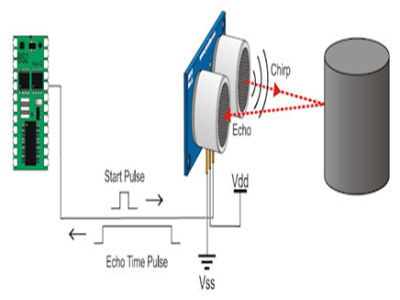
Ultrasonic Sensors: Operation, Types, and Applications
Ultrasonic sensors detect or measure objects by emitting and receiving high-frequency sound waves (ultrasound). Operating in the 100–400 kHz range, they rely on the time it takes for an ultrasonic pulse to travel to an object (liquid surface or moving target) and return. Their reliability and versat..
קרא מאמר

Guide 03/07/2025
741
Water Level Sensors: Types, Selection & Applications
Water level sensors come in an array of technologies, each designed to detect and monitor liquid levels in tanks, wells, or pipelines. Their primary function is to generate an electrical signal or alarm when the water (or other liquid) reaches a set point or to provide continuous readings for real-t..
קרא מאמר
Guide 03/07/2025
420
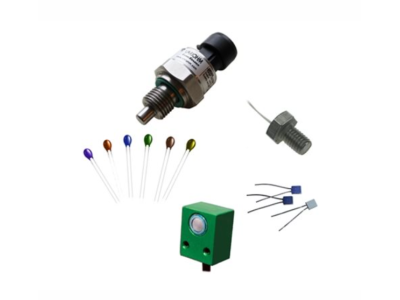
Temperature Sensors: Types and How They Work
A temperature sensor is a device that converts thermal energy (heat) into an electrical output signal. Note that while we commonly say “measure temperature,” the sensor itself only creates a change in current or voltage reflecting heat changes; an external instrument then interprets that electrical ..
קרא מאמר
Guide 03/07/2025
396
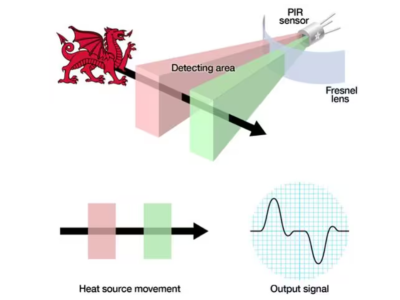
Motion Sensors: Operation, Installation, and Benefits
A motion sensor is an electronic device that detects the presence or movement of objects within a designated area. By registering changes in physical parameters—like heat, sound waves, or electromagnetic fields—it provides real-time activation signals for alarms, lights, or other automated systems. ..
קרא מאמר
Guide 03/07/2025
384
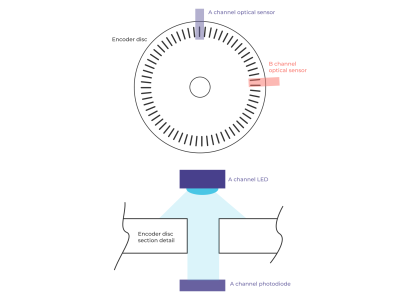
Optical Sensors: Design, Types, and Applications
Optical sensors (often referred to as photoelectric or opto-electronic sensors) operate by monitoring variations in light intensity, typically in the infrared range. Using an emitter (light source) and a receiver (photodetector), they detect objects, measure displacement, or identify smoke and flame..
קרא מאמר
Guide 03/07/2025
415
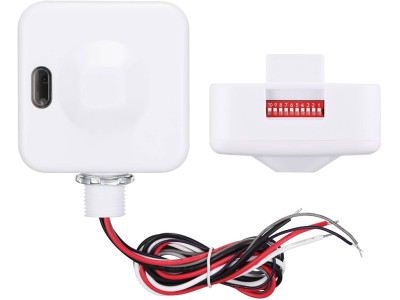
Microwave Motion Sensors in Lighting
A microwave motion sensor is a device that detects movement by emitting and receiving radio waves in the GHz frequency range. When an object moves within its coverage zone, the sensor interprets changes in the reflected signal (the Doppler effect) and triggers an output. In lighting applications, th..
קרא מאמר
Guide 03/07/2025
398
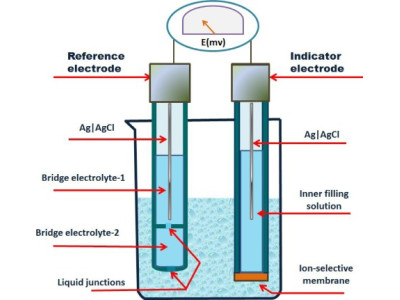
Potentiometric Sensors: Principle, Types, and Applications
A potentiometric sensor is one of the most established and dependable measurement transducers for converting mechanical displacement into an electrical signal. Often used for position and angle detection, these sensors are prized for their simplicity, reliability, and cost-effectiveness. Below, we o..
קרא מאמר
Guide 03/07/2025
365
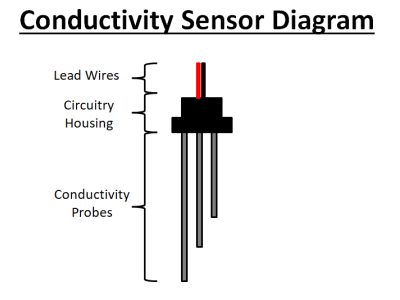
Conductive Level Sensors: How They Work
A conductive level sensor (also called a “conductance” or “conductometric” sensor) monitors the level of electrically conductive liquids by measuring changes in resistance between two or more electrodes. Since most non-distilled water and other solutions offer electrical conductivity, such sensors f..
קרא מאמר
Guide 03/07/2025
366
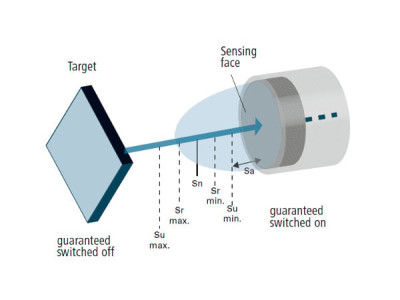
Inductive Sensors: Design, Applications, and Top Brands
Inductive sensors are electronic devices that utilize changing magnetic fields to detect metallic or ferromagnetic materials, converting that information into an electrical signal. This principle enables a wide range of applications—from position detection and speed measurement to process monitoring..
קרא מאמר
Guide 03/07/2025
377
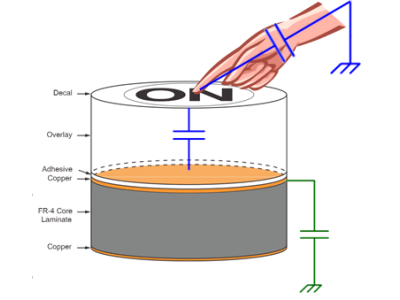
Capacitive Sensors: Operation, Types, and Common Uses
A capacitive sensor measures changes in electrical capacitance to detect the presence or absence of objects, liquids, or other materials. From position detection to level measurement, these sensors exploit the principle that a capacitor’s properties shift when its environment changes. Below, we outl..
קרא מאמר
Guide 03/07/2025
406
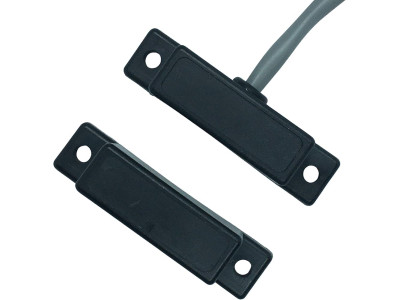
Reed Sensors: Operation, Types, and Practical Applications
A reed sensor—often called a reed switch sensor—is a magnetic contact device whose core principle revolves around a sealed, magnetically activated switch. When an external magnet approaches or recedes, the switch’s internal contact plates either close or open, generating an electrical output usable ..
קרא מאמר
Guide 03/07/2025
364
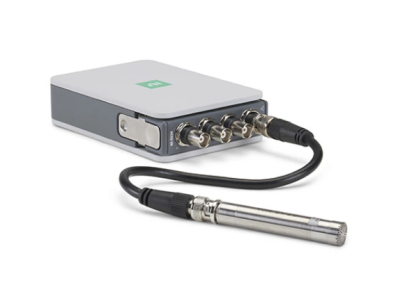
What Is a Sensor? Types, Outputs, and Practical Uses
A sensor is an electronic or electromechanical device designed to convert a specific physical input into a usable electrical signal. Whether monitoring temperature, detecting motion, or measuring fluid levels, sensors play an essential role in modern automation, safety systems, and process control. ..
קרא מאמר
Guide 03/07/2025
393
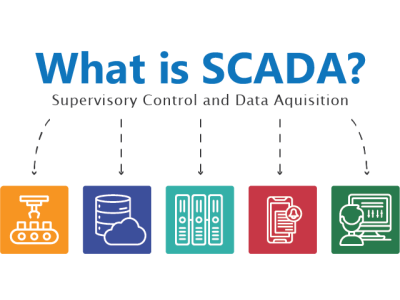
Modern SCADA Systems: Architecture, Interface, and Future Trends
SCADA (Supervisory Control and Data Acquisition) is a software-hardware framework designed for collecting, processing, visualizing, and archiving data from monitored or controlled processes. These systems have become indispensable in modern industrial settings, providing real-time oversight of equip..
קרא מאמר
Guide 03/07/2025
386
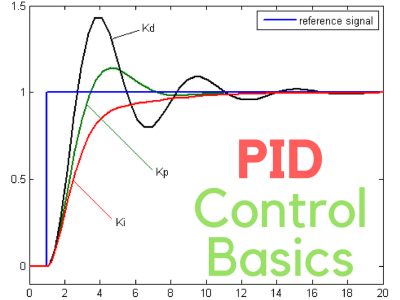
What Is a PID Controller and How Does It Work?
A PID controller—Proportional-Integral-Derivative—is a key element in industrial process control. By continuously comparing a measured process variable to a target setpoint, the PID controller calculates and applies adjustments based on three terms (proportional, integral, and derivative). This feed..
קרא מאמר
Showing 313 to 336 of 1029 (43 Pages)