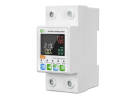
Dispositivos de Protección Eléctrica: Tipos, Características y Principales Fabricantes
Introducción a los dispositivos de protección eléctrica
Ensuring the safety and reliability of your home's electrical system is paramount. Electrical protection devices, commonly referred to as "automats," play a crucial role in safeguarding your property and loved ones from electrical hazards. These devices are designed to monitor and control the electrical flow within your network, automatically disconnecting the power in the event of irregularities such as overloads, short circuits, and current leaks. At safsale.com, we offer a wide range of high-quality electrical protection devices to meet your safety and performance needs.
Importancia de la protección eléctrica
Las redes eléctricas pueden funcionar bajo condiciones normales y anormales. Las condiciones anormales incluyen:
- Sobrecargas: Corriente excesiva que fluye a través del sistema.
- Circuitos cortos: Las conexiones directas entre conductores en vivo.
- Fugas actuales: Caminos no deseados para la corriente eléctrica, que conducen a posibles choques.
- Circunstancias de tensión: Sudden increases in voltage that can damage appliances and wiring.
Failure to protect against these conditions can result in damaged wiring, malfunctioning electrical appliances, fire hazards, and even electrocution. Electrical protection devices are essential in mitigating these risks, ensuring a safe and efficient electrical system.
Tipos de dispositivos de protección eléctrica
Los dispositivos de protección eléctrica pueden clasificarse en función de su finalidad y principios de funcionamiento. Los principales tipos incluyen:
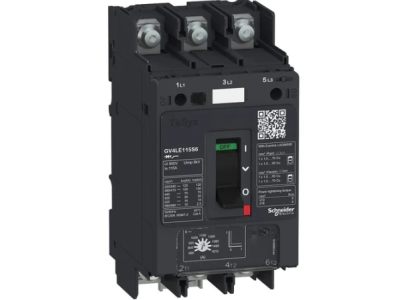
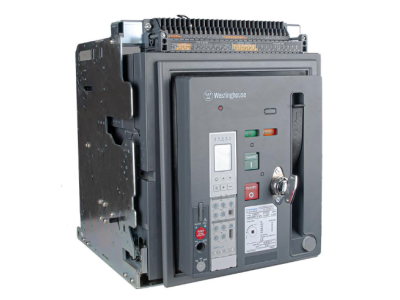
1. Automático interruptores automáticos
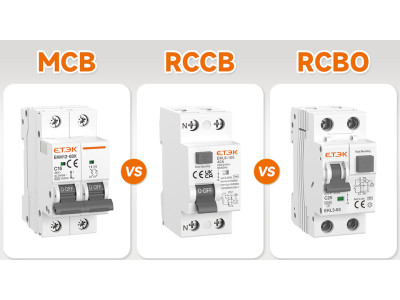
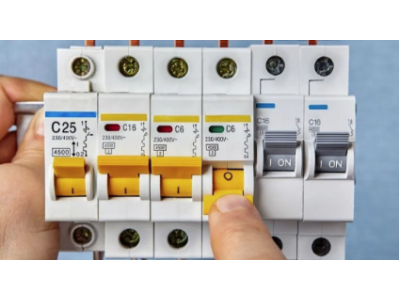
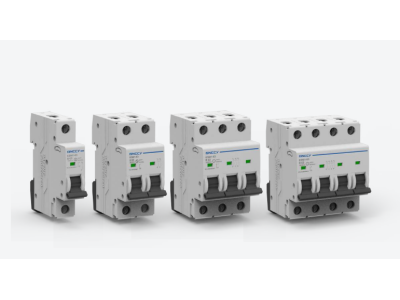
Automático interruptores automáticos son componentes fundamentales de cualquier sistema de protección eléctrica. Están diseñados para desconectar automáticamente el circuito eléctrico cuando detectan una sobrecarga o cortocircuito.
Tipos de interruptores automáticos automático:
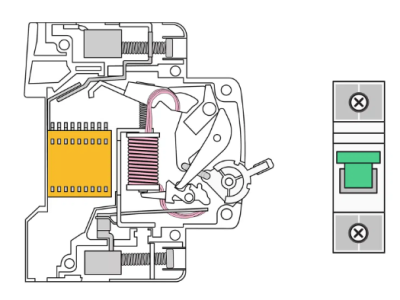
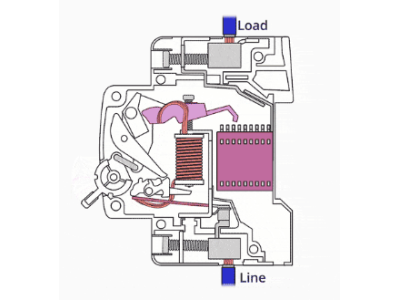
- Interruptores térmicos: Utilize a bimetallic strip that bends when heated by excess current, triggering the breaker to trip.
- Interruptores magnéticos: Use an electromagnet that activates rapidly in the event of a short circuit, providing immediate disconnection.
Características:
- Configuración ajustable: Permite la personalización del umbral de viaje en función de las necesidades específicas del circuito.
- Capacidad de reinicio: Se puede restablecer fácilmente después de tropezar sin necesidad de reemplazo.
Ventajas:
- Protección: Salvaguardias contra incendios eléctricos y daños al equipo.
- Comodidad: Fácilmente reasentable después de tropezar, reduciendo el tiempo de inactividad.
Aplicaciones:
- Hogares residenciales
- Edificios comerciales
- Instalaciones industriales
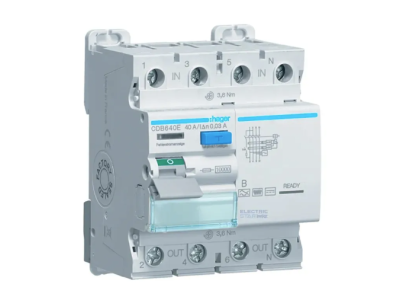
2. Dispositivos de corriente residual (CCD)
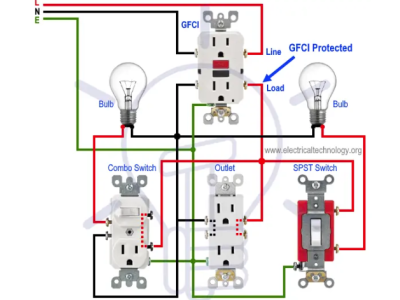
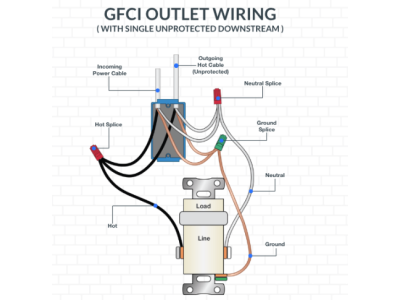
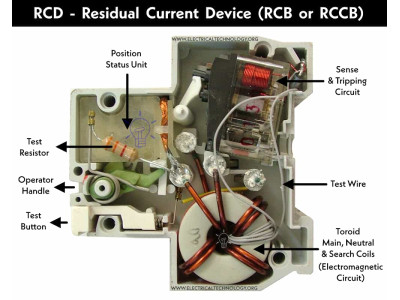
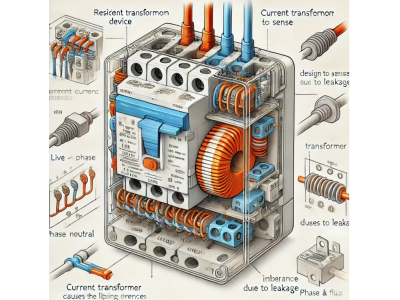
Dispositivos de corriente residual (CCD), también conocido como Interruptores del circuito de fallas en tierra (GFCI), detect imbalances between the incoming and outgoing current, indicating a potential current leak.
Funcionalidad:
- Detección: Monitors the current flow in the live and neutral wires.
- Mecanismo de Tripping: Disconnects the circuit if a difference (typically above 10 mA) is detected, preventing electric shocks.
Características:
- Sensibilidad: Alta sensibilidad a pequeñas fugas de corriente.
- Tiempo de respuesta rápida: Interrumpe rápidamente el circuito a la seguridad enhance.
Ventajas:
- Seguridad mejorada: Protege contra descargas eléctricas y electrocución.
- Prevención de incendios: Reduce el riesgo de incendios eléctricos causados por fugas de corriente.
Aplicaciones:
- Baños y cocinas
- Puntos de venta para exteriores
- Zonas de alto riesgo que requieren una mayor protección
3. Diferencial interruptores automáticos
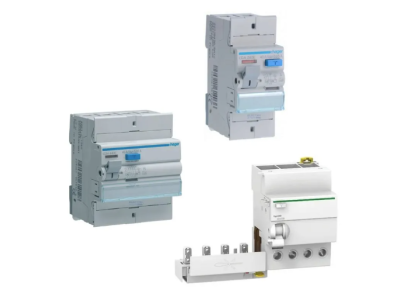
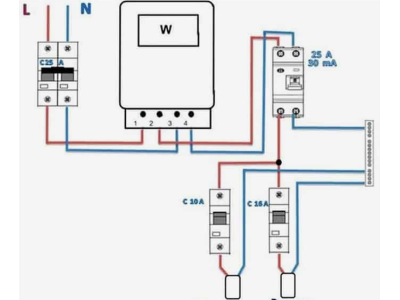
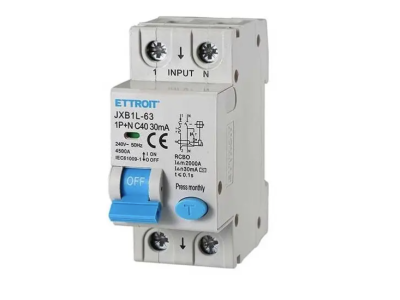
Diferencial interruptores automáticos, o Automatas diferenciales, combine the functionalities of both RCDs and automatic circuit breakers within a single unit.
Características:
- Protección integrada: Proporciona protección contra sobrecargas y fugas de corriente.
- Eficiencia espacial: Combines two protective mechanisms in one device, saving space in the electrical panel.
Ventajas:
- Protección Comprehensive: Ofrece una protección completa contra las sobrecorrientes y las fallas de la tierra.
- Coste-Efectivo: Elimina la necesidad de RCDs separados y interruptores automáticos.
Aplicaciones:
- Paneles eléctricos residenciales
- Edificios comerciales
- Entornos industriales que requieren una protección robusta
4. Relés de tensión
Relés de tensión son dispositivos especializados que protegen el equipo eléctrico de las fluctuaciones de tensión mediante la desconexión del fuente de alimentación cuando la tensión excede o cae por debajo de los límites predefinidos.
Funcionalidad:
- Seguimiento: Monitoriza continuamente los niveles de tensión dentro de la red eléctrica.
- Mecanismo de protección: Viaja el circuito si se detectan anomalías de tensión, evitando daños en los aparatos y el cableado.
Características:
- Umbrales ajustables: Permite la personalización de los límites de tensión en función de los requisitos del equipo.
- Puntos de tensión múltiple: Capaz de proteger tanto contra sobretensión como contra condiciones de subtensión.
Ventajas:
- Protección del equipo: Salvaguarda los dispositivos eléctricos sensibles de daños inducidos por el voltaje.
- Estabilidad del sistema: Mantiene niveles de voltaje consistentes, mejorando el rendimiento general del sistema eléctrico.
Aplicaciones:
- Electrónica y electrodomésticos
- Maquinaria industrial
- Sistemas eléctricos comerciales
Características y características principales de los dispositivos de protección eléctrica
Al seleccionar dispositivos de protección eléctrica, considere los siguientes parámetros clave para garantizar un rendimiento y seguridad óptimos:
1. Rendimiento (capacidad de intercambio aéreo)
Performance measures the device's ability to handle electrical currents safely. For example, an automatic circuit breaker with a rating of 6 kW is suitable for standard residential doorways measuring 800*2000 mm, ensuring effective protection.
2. Consumo de energía
Electrical protection devices vary in power requirements. For instance, devices operating in rooms with ceiling heights up to 3 meters and areas of 10 m² typically require around 1 kW of electrical power.
3. Nivel de ruido
Algunos dispositivos de protección, especialmente los que tienen motores y ventiladores, pueden generar ruido significativo. Los modelos que funcionan por debajo de 30 dB se consideran silenciosos y adecuados para uso residencial, mientras que los modelos más ruidosos pueden ser más adecuados para entornos industriales.
4. Dirección de flujo de aire
La dirección del flujo de aire, ya sea vertical u horizontal, depende del tipo de instalación. La orientación adecuada es crucial para evitar una vida útil reducida del dispositivo y garantizar un rendimiento efectivo.
5. Rango de temperatura
La mayoría de los dispositivos de protección eléctrica están diseñados para funcionar dentro de un rango de temperatura de -20°C a +40° C, haciéndolos adecuados para diversos climas y condiciones para interiores.
6. Dimensiones físicas
El tamaño del dispositivo debe coincidir con las dimensiones del área de instalación para garantizar una cobertura completa y evitar zonas muertas que puedan comprometer la eficacia de la protección.
Elegir el dispositivo de protección eléctrica adecuado
Seleccionar el dispositivo de protección eléctrica adecuado implica evaluar varios factores para asegurar que satisface sus necesidades específicas de seguridad y rendimiento:
1. Tipo de caldera y capacidad
- Calderas de gas: Requiere dispositivos que puedan suministrar oxígeno adecuado para la combustión y eliminar gases de escape de manera eficiente.
- Calderas eléctricas: Aunque no producen gases de combustión, los dispositivos de protección siguen siendo necesarios para gestionar las cargas eléctricas y prevenir sobrecorrientes.
2. Tamaño y disposición de la habitación
- Cálculo: Determinar el volumen de la red eléctrica para seleccionar dispositivos con las calificaciones de corriente adecuadas y capacidades de protección.
- Distribución: Asegurar una distribución uniforme de los dispositivos de protección para cubrir todas las áreas del sistema eléctrico.
3. Consideraciones sobre el clima
- Climas fríos: Dispositivos con mayor durabilidad y protección contra caídas de tensión y sobretensiones causadas por temperaturas extremas.
- Regiones Húmedas: Protección contra la corrosión y las fallas eléctricas relacionadas con la humedad.
4. Eficiencia energética
- Calificaciones de SEER altas: Elija dispositivos con altas ratios de eficiencia energética estacional para minimizar el consumo de energía.
- Controles inteligentes: Los dispositivos con ajustes programables y capacidades de gestión remota ofrecen una mayor eficiencia y comodidad.
5. Presupuesto
- Costo vs. Características: Equilibrar la inversión inicial con el ahorro operativo a largo plazo y las características de seguridad requeridas.
- Calidad vs. Precio: Opt for reputable brands that offer reliable performance and durability, even if they come at a higher price point.
Mantenimiento y solución de problemas de dispositivos de protección eléctrica
El mantenimiento adecuado es esencial para garantizar la longevidad y eficacia de los dispositivos de protección eléctrica. El mantenimiento regular ayuda a prevenir fallos del sistema y garantiza una protección continua.
Tareas clave de mantenimiento
Inspección ordinaria
- Comprobaciones visuales: Inspeccione los dispositivos para detectar signos de desgaste, corrosión o daños.
- Pruebas funcionales: Revise periódicamente los mecanismos de viaje para asegurarse de que funcionan correctamente.
Limpieza
- Eliminación de polvo: Mantenga los dispositivos libres de polvo y escombros que pueden impedir la funcionalidad.
- Mantenimiento del filtro: Para dispositivos con filtros, limpie o reemplace según las recomendaciones del fabricante.
Comprobaciones de componentes
- Cableado: Asegúrese de que todas las conexiones son seguras y libres de deshilacharse o dañarse.
- Partes mecánicas: Lubricar piezas móviles si es necesario y comprobar si el funcionamiento es suave.
Ensayo del sistema
- Pruebas de carga: Verificar que los dispositivos viajen a sus niveles actuales nominales para garantizar una protección adecuada.
- Pruebas de fugas: En el caso de los DCR, comprobar la sensibilidad para asegurarse de que tropiezan con la corriente de fuga correcta.
Solución de problemas comunes
Insuficiente flujo aéreo o problemas de viaje
- Causas: Circuitos sobrecargados, dispositivos defectuosos o conexiones deficientes.
- Soluciones: Reduzca la carga eléctrica, sustituya los dispositivos defectuosos y asegure todas las conexiones.
Ruido excesivo
- Causas: Loose components, debris in mechanical parts, or failing motors.
- Soluciones: Apriete cualquier pieza suelta, limpie los componentes mecánicos y reemplace los motores defectuosos.
Olores o humo desagradables
- Causas: Componentes de sobrecalentamiento, pantalones cortos eléctricos o aislamiento de combustión.
- Soluciones: Desconectar inmediatamente la energía, inspeccionar si hay fallas y reemplazar las piezas dañadas.
Dispositivos no responsivos
- Causas: fuente de alimentación problemas, interruptores defectuosos o daños internos.
- Soluciones: Compruebe las conexiones de alimentación, los interruptores de reinicio y reemplace los dispositivos dañados según sea necesario.
Principales fabricantes y marcas
Varias marcas de renombre dominan el mercado de dispositivos de protección eléctrica, ofreciendo productos fiables y de alto rendimiento adaptados a diversas necesidades:
- Siemens: Renombrado por su avanzada tecnología y robustos dispositivos de protección adecuados tanto para aplicaciones residenciales como industriales.
- Schneider Electric: Offers a wide range of electrical protection solutions known for their reliability and innovation.
- Leviton: Conocido por su fácil y eficiente interruptores automáticos y RCDs.
- ABB: Provides high-quality protection devices with a focus on energy efficiency and safety.
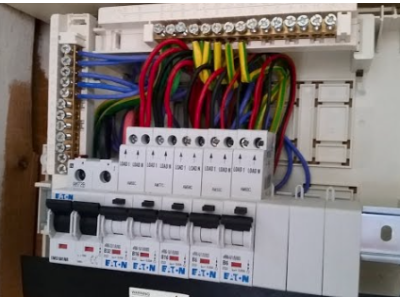
- Eaton: Specializes in comprehensive electrical management solutions, including advanced protection devices.
- Hager: Ofrece dispositivos de protección eléctrica fiables y rentables adaptados para uso doméstico y comercial.
Cada fabricante ofrece características y beneficios únicos, lo que permite a los consumidores seleccionar los dispositivos que mejor cumplan con sus requisitos específicos de seguridad y rendimiento.
Conclusión
Electrical protection devices are indispensable for maintaining a safe and efficient electrical system in homes, apartments, and cottages across the USA. By understanding the different types of devices—automatic circuit breakers, RCDs, differential circuit breakers, and voltage relays—homeowners can make informed decisions to enhance electrical safety and prevent potential hazards. Regular maintenance and adherence to safety standards further ensure the reliability and longevity of these critical components.
En safsale.com, we offer a comprehensive selection of top-quality electrical protection devices from leading manufacturers. Equip your home with the best protection solutions to safeguard your electrical network, ensuring peace of mind and a safe living environment for your family.
Para obtener más información y explorar nuestra gama de dispositivos de protección eléctrica, visite safsale.com