
DIY Electrical Installation: Comprehensive Guide for Homes, Apartments, and Cottages

DIY Electrical Installation: Comprehensive Guide for Homes, Apartments, and Cottages

Introduction to DIY Electrical Installation

Embarking on DIY electrical installation projects in your home, apartment, or cottage is entirely feasible with the right knowledge and precautions. However, it requires a fundamental understanding of electricity, adherence to safety protocols, and compliance with electrical standards and regulations. This guide provides the essential theoretical information and practical advice needed to undertake electrical work safely and effectively.

Essential Knowledge for DIY Electrical Work

Before attempting any electrical installation, it’s crucial to grasp the basics of electricity, including the laws that govern it, the parameters and characteristics of electrical equipment, and the materials used in electrical installations. Familiarize yourself with the regulatory requirements outlined in standards such as the Russian "Rules for Electrical Installations" (PUE) and the International Electrotechnical Commission (IEC) standards, which modern PUE requirements closely align with.

Permitted DIY Electrical Tasks in the USA

In the USA, homeowners are allowed to perform certain electrical tasks without the need for permits or inspections, provided they comply with local building codes and safety regulations. Permissible tasks include:

  • Replacing or Repairing Outlets and Switches: Swapping out old outlets and switches with new ones.
  • Repairing Sections of Electrical Wiring: Fixing or replacing damaged wiring within existing circuits.
  • Installing New Light Fixtures, Outlets, and Switches: Adding new lighting fixtures or additional electrical outlets to existing circuits.

Other tasks, such as installing new circuits or significant electrical upgrades, typically require permits and must be performed by licensed electricians.

Safety and Electrical Compliance

When performing any electrical work, prioritize safety and compliance to prevent accidents and ensure the longevity and reliability of your electrical systems. Key safety measures include:

  • Personal Safety: Always turn off the power at the main electrical panel before starting any work. Use an insulated screwdriver and tools with insulated handles to reduce the risk of electric shock.
  • Electrical Safety: Ensure all connections are secure and properly insulated. Avoid overloading circuits by adhering to the rated capacity of breakers and outlets.
  • Fire Safety: Use the correct wire gauge for your electrical load and ensure all connections are tight to prevent overheating and potential fires. Install appropriate circuit breakers and Ground Fault Circuit Interrupters (GFCIs) where necessary.

Basic Safety Techniques

  • De-Energize Circuits: Always disconnect power to the circuit you’re working on using the main breaker panel.
  • Verify Power is Off: Use a non-contact voltage tester or multimeter to confirm that the circuit is de-energized before touching any wires.
  • Use Insulated Tools: Employ tools with insulated handles to protect against accidental shocks.
  • Work in a Dry Environment: Ensure your workspace is dry to minimize the risk of electric shock.

Electrical and Fire Safety Best Practices

To mitigate the risks associated with electrical work, adhere to the following best practices:

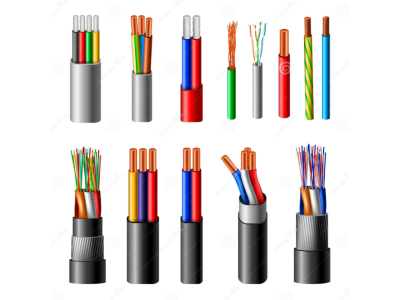
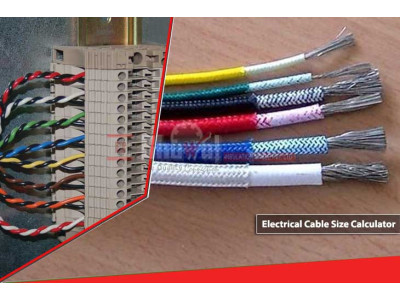
  • Proper Wire Selection: Use wires with the appropriate insulation, material, and gauge to handle the intended electrical load.
  • Quality Electrical Components: Invest in high-quality switches, outlets, and junction boxes rated for your electrical requirements.
  • Secure Connections: Ensure all wire connections are tight and secure to prevent arcing and overheating.
  • Protective Devices: Install circuit breakers and GFCIs to provide overcurrent protection and prevent electrical fires and shocks.
  • Grounding: Properly ground all electrical systems to protect against electrical faults and reduce the risk of fire.

Planning Your DIY Electrical Project

Successful DIY electrical installation requires meticulous planning and adherence to standards. Follow these steps to ensure a safe and effective project:

  1. Design and Planning:

    • Assess Needs: Determine the scope of your electrical project, including the number of outlets, switches, and fixtures you plan to install.
    • Create a Diagram: Sketch a layout of your electrical system, indicating the placement of all components and the routing of wires.
    • Check Codes: Review local electrical codes and regulations to ensure your project complies with all safety standards.
  2. Gathering Materials:

    • Electrical Tools: Ensure you have the necessary tools, including wire strippers, screwdrivers, voltage testers, and multimeters.
    • Quality Components: Purchase high-quality electrical outlets, switches, wiring, and protective devices that meet the required specifications.
  3. Execution:

    • Follow the Diagram: Adhere strictly to your electrical diagram to ensure proper installation and functionality.
    • Secure Connections: Make sure all electrical connections are tight and properly insulated to prevent hazards.
    • Double-Check Work: Before restoring power, review all connections and installations to ensure they are correct and safe.
  4. Testing and Verification:

    • Power On: Carefully restore power to the electrical system.
    • Test Functionality: Verify that all installed outlets, switches, and fixtures operate correctly.
    • Monitor for Issues: Keep an eye out for any signs of malfunction, such as flickering lights or tripped breakers, and address them promptly.

When to Seek Professional Help

While DIY electrical work can be rewarding and cost-effective, certain tasks should always be handled by licensed electricians to ensure safety and compliance:

  • Installing New Circuits: Adding new circuits to your electrical panel often requires professional expertise.
  • Upgrading Electrical Panels: Modernizing or expanding your electrical panel should be done by professionals to meet current safety standards.
  • Handling Complex Wiring: Projects involving complex wiring configurations or high-voltage installations necessitate professional intervention.

Conclusion

DIY electrical installation in your home, apartment, or cottage is achievable with the right knowledge, tools, and adherence to safety protocols. By understanding the basics of electricity, following safety guidelines, and complying with electrical standards, you can successfully undertake a variety of electrical projects. However, always recognize your limits and seek professional help for complex or high-risk tasks to ensure a safe and reliable electrical system.

At safsale.com, we provide a wide range of high-quality electrical components and tools to support your DIY projects. Equip yourself with the right materials and knowledge to create a safe and efficient electrical system in your living space. For more information and to explore our selection of electrical products, visit safsale.com


Understanding Wire and Cable Markings – Labels, Codes, and Standards
24/02/2025 164
Understanding Wire and Cable Markings – Labels, Codes, and Standards
Wire and Cable Marking Guide – Symbols, Codes, and ApplicationsElectrical wires and cables come with alphanumeric markings that indicate material, insulation, number of conductors, and safety ratings. Understanding these markings is crucial for safe installation, compliance with electrical codes, an..
Types of Electrical Wires and Cables – Selection, Installation, and Safety
24/02/2025 82
Types of Electrical Wires and Cables – Selection, Installation, and Safety
Electrical Wires and Cables – Types, Selection, and InstallationChoosing the right electrical wire and cable is crucial for safety, efficiency, and compliance with modern electrical codes. The correct selection depends on insulation type, conductor material, cable size, and application. This guide c..
Choosing the Right Electrical Cables and Wires – Insulation, Sizing, and NEC Standards
24/02/2025 74
Choosing the Right Electrical Cables and Wires – Insulation, Sizing, and NEC Standards
Cables and Wires – Selection, Insulation, and SizingWhen installing electrical wiring, choosing the right cables and wires is crucial for safety and efficiency. Incorrectly selected conductors can cause overheating, voltage drops, and fire hazards. This guide covers the essentials of electrical cabl..
Hidden Wiring in Wooden Houses – NEC Standards and Fire Safety
24/02/2025 81
Hidden Wiring in Wooden Houses – NEC Standards and Fire Safety
Hidden Electrical Wiring in a Wooden House – Fire Safety and InstallationWooden houses pose unique challenges for electrical wiring due to their high fire risk. Hidden electrical wiring is widely preferred for aesthetic and practical reasons, but it requires strict adherence to National Electrical C..
Hidden Electrical Wiring – Installation Methods and Detection
24/02/2025 124
Hidden Electrical Wiring – Installation Methods and Detection
Hidden Electrical Wiring – Installation and DetectionHidden electrical wiring is the most common method used in modern homes and commercial buildings. Unlike surface-mounted wiring, hidden wiring is embedded within walls, ceilings, and structural cavities, ensuring a clean aesthetic while keeping ca..
Exposed Electrical Wiring – Pros, Installation Methods, and Safety Guidelines
24/02/2025 121
Exposed Electrical Wiring – Pros, Installation Methods, and Safety Guidelines
Exposed Electrical Wiring – Installation Methods and Safety StandardsExposed electrical wiring (also called surface-mounted wiring) is a practical solution for homes, cabins, workshops, and industrial spaces where running wires inside walls is not feasible.This method involves securing wires, condui..
Passing Electrical Wiring Through Walls: Practical Rules and Key Tips
21/02/2025 138
Passing Electrical Wiring Through Walls: Practical Rules and Key Tips
Whether you’re running new lines or upgrading old circuits, passing electrical wires through walls is a frequent necessity in any home or commercial building. At safsale.com, we often get questions about how to meet proper safety standards while keeping the job efficient. In the USA, codes and best ..
Indoor Electrical Wiring: Best Practices, Cable Selection, and Installation Steps
21/02/2025 101
Indoor Electrical Wiring: Best Practices, Cable Selection, and Installation Steps
Interior electrical wiring is the backbone of any home’s power distribution, whether you live in the USA or elsewhere. At safsale.com, we emphasize the importance of careful planning and cable selection to reduce the chances of short circuits, overloads, or other costly failures. This overview expla..
Outdoor Electrical Wiring: Cables, Methods, and Safe Installation
21/02/2025 97
Outdoor Electrical Wiring: Cables, Methods, and Safe Installation
OUTDOOR WIRING ≠ OPEN WIRINGPeople sometimes assume “outdoor wiring” is exactly the same as “open” wiring, but that’s not quite right. The essential difference is that outdoor (external) wiring takes place outside the building—whether on walls, overhead lines, or even underground—while open wiring s..
Electrical Wiring Installation – Choosing Your Approach
21/02/2025 106
Electrical Wiring Installation – Choosing Your Approach
ELECTRICAL WIRING INSTALLATION – HOW TO PICK YOUR METHODThe way you choose to run cables isn’t just about budgets or the labor involved—it can make or break the safety and ease of future upgrades. As laid out in common electrical codes, wiring can be installed openly (on top of surfaces) or conceale..
A Complete Guide to Planning and Installing Electrical Wiring in a New Build
21/02/2025 172
A Complete Guide to Planning and Installing Electrical Wiring in a New Build
1. Why You Should Manage Electrical Wiring YourselfMany new construction (new-build) apartments come in a “bare-shell” or “unfinished” state, with only basic utility lines provided. This gives homeowners the flexibility to design their electrical wiring layout to suit personal needs.While some devel..
Selecting Safe and Effective Cables for Wooden House Wiring
21/02/2025 98
Selecting Safe and Effective Cables for Wooden House Wiring
1. Why Cable Choice Matters in Wooden HomesUnlike brick or concrete buildings, wooden houses pose special fire safety challenges. Wood is combustible, so selecting the correct cable type (with flame-retardant insulation) becomes a top priority. Improper cable selection and installation can lead to o..
How to Safely Install Electrical Wiring in a Wooden House
21/02/2025 145
How to Safely Install Electrical Wiring in a Wooden House
1. Why Wiring in Wooden Homes Requires Special AttentionWood is a combustible material, making fire safety paramount when installing electrical wiring in wooden houses. To address this, the National Electrical Code (NEC) in the United States (and other local or national codes worldwide) imposes stri..
Designing and Installing Safe Electrical Wiring in Your Private Home
21/02/2025 157
Designing and Installing Safe Electrical Wiring in Your Private Home
1. Why a Wiring Diagram Is EssentialBefore any installation begins, drawing up an electrical wiring diagram is critical. This plan shows:Where each outlet, switch, and light fixture will be locatedHow circuits connect within the breaker panel (VRU or service panel)Which cables (and their sizes) to u..
Choosing the Right Electrical Wiring for Your Home—Cables, Sizes, and Installation Tips
21/02/2025 137
Choosing the Right Electrical Wiring for Your Home—Cables, Sizes, and Installation Tips
1. Introduction: Why the Right Wiring MattersProper wiring in a private home ensures safe and reliable power for everything from lighting to major appliances. By selecting the right cable types, conductor sizes, and installation methods, you can reduce fire hazards, prevent voltage drops, and ensure..
A Comprehensive Guide to Wiring Your Private Home
21/02/2025 149
A Comprehensive Guide to Wiring Your Private Home
1. Why Proper Planning Is EssentialBefore installing or upgrading your home’s electrical system, creating a detailed plan is crucial. A well-designed project outlines:Circuit diagramsWiring methods (e.g., hidden vs. open)Cable gauges and typesSpecific outlets for high-demand appliances (ovens, water..
Secure and Code-Compliant Conduit Wiring Methods
21/02/2025 140
Secure and Code-Compliant Conduit Wiring Methods
Why Install Electrical Wiring in Conduits?Installing electrical wiring in conduits (pipes) provides significant benefits such as:Mechanical protection for cables and conductorsFire safety in combustible or demanding environmentsShielding from moisture, dust, or UV exposureIn both residential and ind..
Catenary Wire Wiring: Sturdy Overhead Power Systems for Demanding US Applications
21/02/2025 94
Catenary Wire Wiring: Sturdy Overhead Power Systems for Demanding US Applications
What Is Catenary Wire Electrical Wiring?Catenary wire electrical wiring—often called overhead cable or wire-rope wiring—uses a high-strength steel cable (or “wire rope”) as the primary support for electrical conductors. This method is popular where traditional conduit or buried cable systems are imp..
Wiring Under the Floor: Effective Methods for Homes and Apartments in the USA
21/02/2025 98
Wiring Under the Floor: Effective Methods for Homes and Apartments in the USA
Introduction: Why Floor Wiring is Gaining Popularity in the USAFloor wiring—running electrical cables directly underneath floors—is rapidly becoming a preferred solution in many American homes and apartments. Traditional wall-chasing methods often require extensive labor, while overhead installation..
How to Safely Route Electrical Wiring Along the Ceiling
21/02/2025 115
How to Safely Route Electrical Wiring Along the Ceiling
Why Choose Ceiling Wiring in the USA?In the United States, homeowners and electricians are increasingly turning to ceiling wiring as an efficient way to power lighting, outlets, and other electrical circuits. Compared to running cables through walls or floors, ceiling installations often:Reduce the ..
Conceal Your Wiring Without Cutting into Walls
21/02/2025 127
Conceal Your Wiring Without Cutting into Walls
Introduction: Why Hide Electrical Wiring Without Chasing?In the USA, many homeowners and professionals want to conceal wiring without chasing (cutting) into walls. This approach is especially useful for existing homes where major demolition is impractical, or during new construction and renovations ..
Expert Guide to Concealed Wiring in Wall Chases for Safe Installations in the USA
21/02/2025 117
Expert Guide to Concealed Wiring in Wall Chases for Safe Installations in the USA
Why Concealed Wiring in Wall Chases MattersIn the United States, concealed (hidden) wiring is a common approach for creating neat, efficient electrical installations that meet both National Electrical Code (NEC) requirements and modern design standards. One popular method involves routing cables ins..
How to Safely Install Electrical Wiring Behind Drywall in the United States
21/02/2025 163
How to Safely Install Electrical Wiring Behind Drywall in the United States
1. Introduction: Realistic Wiring Practices Under DrywallIn the United States, hidden or concealed electrical wiring often goes behind drywall (also known as gypsum board). This method keeps cables out of sight, improves aesthetics, and simplifies future interior design. While NEC (National Electric..
How to Safely Install Electrical Wiring in Cable Raceways
21/02/2025 166
How to Safely Install Electrical Wiring in Cable Raceways
1. Why Install Wiring in Cable Raceways?Wiring your electrical circuits through cable raceways (also known as cable channels or cable trays) is an increasingly popular method in the United States for both residential and commercial projects. This approach provides:Convenient Access: Ideal when you n..
Showing 49 to 72 of 161 (7 Pages)