

Safsale Knowledge Center
Practical knowledge for security, electrical and connected systems
Explore technical guides, industry explanations, equipment reviews and practical field-oriented materials covering surveillance, access control, alarms, electricity, electronics and modern automation.
748technical articles
11core disciplines
Field-firstpractical knowledge
U.S.standards & applications
Start here
Browse all articles
Choose a learning path






Guide 15/01/2025
368
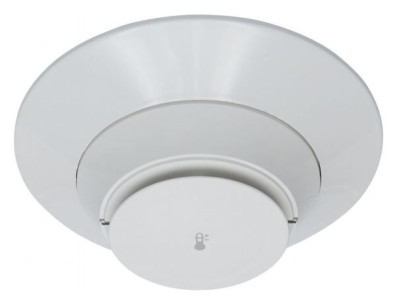
Heat Fire Detectors: Maximum, Differential & Linear Types
Heat fire detectors rank just behind smoke detectors in frequency of use within fire alarm systems. While smoke sensors dominate in many scenarios due to their “universal” detection of combustion particles, heat detectors outperform smoke sensors in certain dusty or smoky environments where optical ..
Read article
Guide 15/01/2025
355
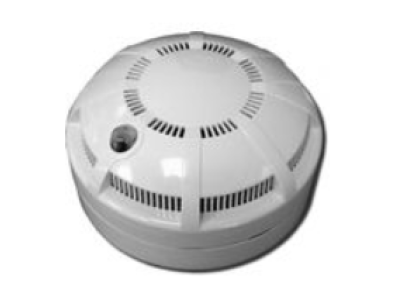
Smoke Fire Detectors: Design, Operation & Installation
A fire alarm detector is a specialized device that quickly identifies early signs of combustion in a protected area. Though often referred to as a “sensor,” these detectors are not simply measuring instruments; rather, they spot fire factors—notably smoke—to help you respond before flames spread. Sm..
Read article
Guide 14/01/2025
311
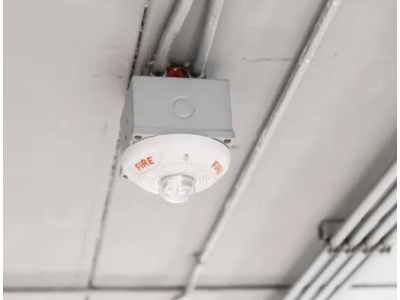
Aspirating Fire Detectors: How They Work & Best Practices
Aspirating fire detectors (air-sampling systems) detect the presence of smoke by continuously drawing air through small pipes or tubing from various points in a protected area and analyzing it with a high-sensitivity smoke sensor. This approach enables very early fire detection, even before conventi..
Read article
Guide 14/01/2025
350
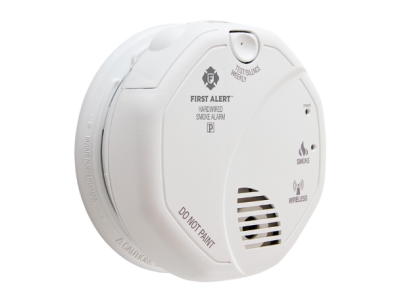
Standalone Fire Detectors: How They Work & Where to Install
An autonomous fire detector (often called a standalone smoke alarm) integrates a fire-detection sensor (commonly for smoke), battery power, signal processing electronics, and an audible alert (siren) into a single housing. These detectors, typically placed on ceilings, can provide a basic warning of..
Read article
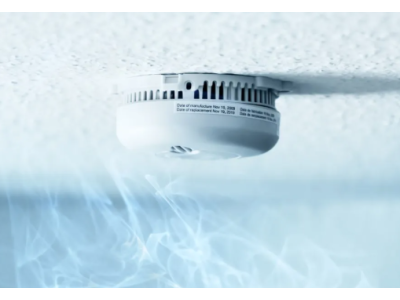
Guide 14/01/2025
324
How Fire Alarm Detectors Work: Smoke, Heat, Wired & Wireless
Fire alarm detectors (often called fire sensors) are essential devices that detect signs of a potential fire—such as smoke, elevated temperatures, or open flames—and convert these indicators into electrical alarm signals. Depending on the environment and the principal fire risk factors, different ty..
Read article
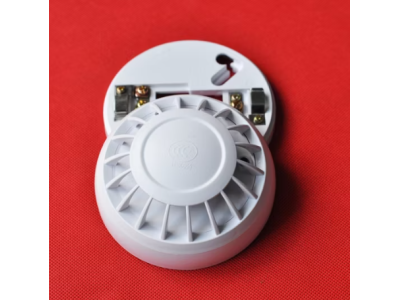
Guide 14/01/2025
434
Fire Alarm Detectors: Smoke, Heat, Linear, Flame, Autonomous & Manual
A fire alarm detector (often called a fire sensor) serves as the central element of any fire alarm system, initiating an alarm upon detecting signs of a fire—whether smoke, rising temperature, flames, or specific combustion gases. Determining which type of detector to install depends on the predomin..
Read article
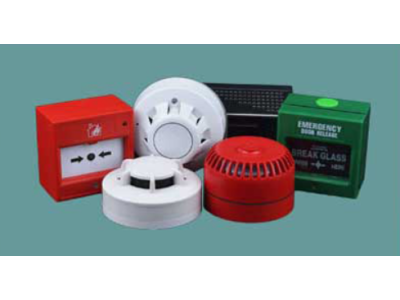
Guide 14/01/2025
364
Fire Alarm Detectors: Types, Classifications & Key Principles
A fire alarm detector (often called a fire sensor) is a critical component of any fire alarm system. It responds to specific fire-related factors—smoke, heat, open flame, or burning gases—to trigger an alarm quickly. Depending on the environment, different detector types and technologies may be nece..
Read article
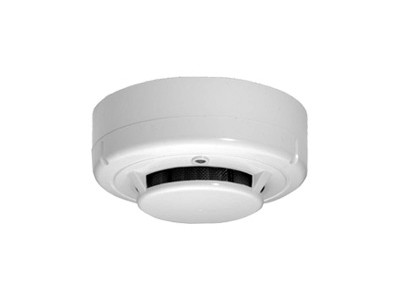
Guide 14/01/2025
352
Fire Alarm Detectors: Smoke, Heat, Linear, Flame, and Manual
A fire alarm detector (sometimes called a “fire sensor”) is a crucial element of any fire alarm system—alerting building occupants and responders at the earliest stage of ignition. Detectors vary in detection principle, from temperature and smoke to open flame. This guide outlines the most common de..
Read article
Guide 14/01/2025
308
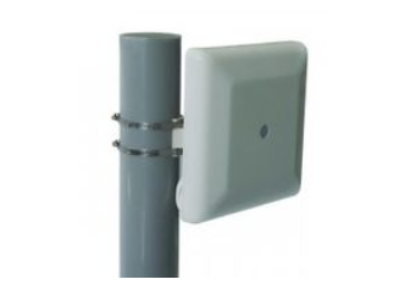
Radio-Wave Security Sensors: Types, Installation & Best Uses
Radio-wave (microwave) security sensors use the Doppler effect to detect movement in protected areas. While less common than infrared (PIR) detectors, they excel in certain environments where light interference or heat currents might cause false alarms for IR sensors. Below, we’ll discuss the advant..
Read article
Guide 14/01/2025
310
Surface Security Sensors: Acoustic, Vibration & IR Curtain Types
Surface (plane) security sensors are specialized devices used exclusively in security alarm systems. Unlike volumetric sensors (motion detectors) or linear beam sensors (perimeter IR beams), these detectors focus on monitoring a specific plane—like a wall, window, or door—to detect attempts at force..
Read article
Guide 14/01/2025
316
Magnetic Contact Sensors: Key Features, Types & Installation
Magnetic contact sensors (often called “reed switches” or “magnetic switches”) are point detectors that monitor the opening of doors, windows, hatches, gates, and more. They’re essential in security alarm systems for detecting non-destructive entry attempts. Below, we’ll explore their basic principl..
Read article
Guide 14/01/2025
309
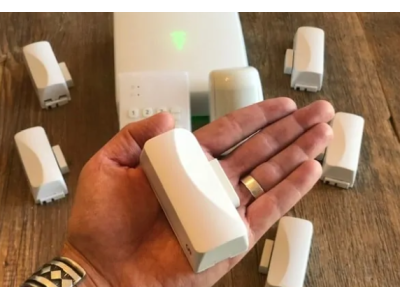
Combined & Integrated Security Sensors: Boosting Detection & Reducing False Alarms
In a modern security alarm system, a single sensor type can struggle to maintain reliability and low false alarms under different conditions. That’s where combined and integrated security sensors come in—units that merge two or more detection technologies (e.g., infrared + microwave) or house multip..
Read article

Guide 14/01/2025
301
Acoustic (Glass-Break) Detectors in Security Alarms: Key Features & Installation
Acoustic (sound-based) security sensors—often called glass-break detectors—are engineered to detect the shattering of glass in windows, storefronts, or decorative doors. Unlike motion sensors or magnetic contacts, acoustic detectors rely on analyzing specific sound frequencies generated by breaking ..
Read article
Guide 14/01/2025
316
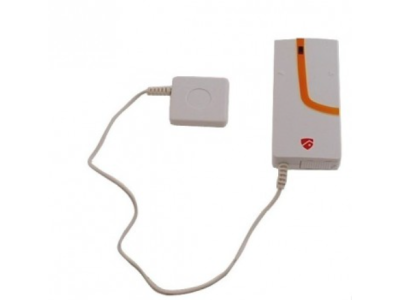
Vibration Detectors for Security Alarms: Types, Installation & Use
Vibration detectors (sometimes called shock sensors) specialize in identifying break-in attempts through destructive means—such as drilling, hammering, or smashing walls and doors. Often placed on walls, safes, grates, or perimeter fences, these sensors “feel” the vibrations from an intruder’s physi..
Read article
Guide 14/01/2025
305
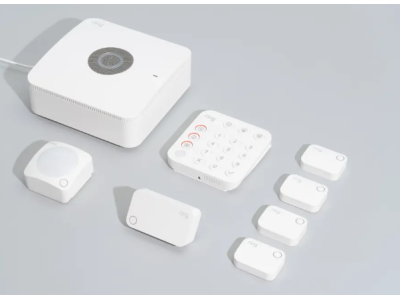
Security Alarm Sensors: Types, Installation & Wiring Tips
Security alarm systems rely on intrusion detectors (often called security sensors) to sense threats like forced openings, glass breakage, drilling, or unauthorized movement. These sensors come in a wide variety of forms, each suited to specific applications: doors, windows, walls, or open areas. Bel..
Read article
Guide 14/01/2025
327
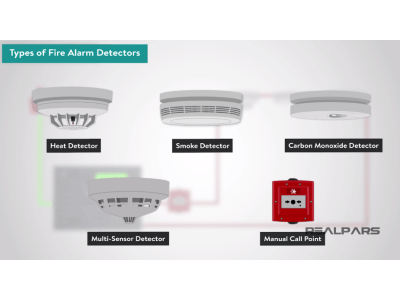
Security & Fire Alarm Detectors: Types, Classifications & Key Features
Security and fire alarm systems (collectively called “OPS” in some regions) depend on detectors (or “sensors”) to identify threats—be it intrusion, fire, or other emergencies. These sensors come in numerous types, each designed to detect specific risk factors (e.g., motion, temperature increase, smo..
Read article
Guide 14/01/2025
286
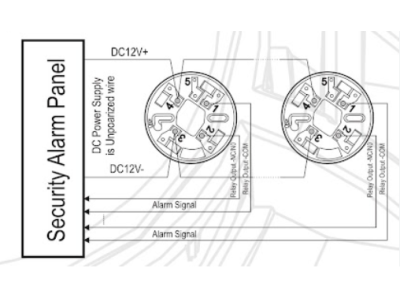
Heat Detectors in Fire Alarm Systems: Installation & Wiring
In fire alarm systems, heat detectors identify a potential fire by monitoring significant temperature changes. They come in two primary categories:Maximum (Fixed-Temperature)Activates at a specified temperature threshold.Rate-of-Rise (Differential)Monitors how quickly the temperature climbs, trigger..
Read article
Guide 14/01/2025
256
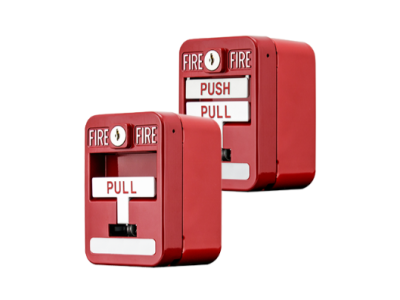
Manual Fire Alarm Pull Stations: Types and Installation Essentials
Commonly referred to as a “fire alarm button,” the manual pull station serves as a direct, human-operated detector in a fire alarm system. Despite the informal name, these devices are technically called “manual fire alarm boxes” (in the US) or “manual call points.” By pressing, pulling, or sliding a..
Read article
Guide 14/01/2025
297
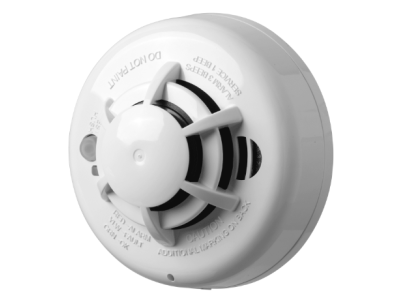
Smoke Detectors in Fire Systems: Wired, Wireless & Standalone
A smoke detector in a fire alarm system monitors changes in the optical density of the air—i.e., how “cloudy” the air becomes with smoke. Once the concentration surpasses a set threshold, the detector signals the fire alarm control panel (FACP) or triggers an onboard siren if it’s a standalone model..
Read article
Guide 14/01/2025
293
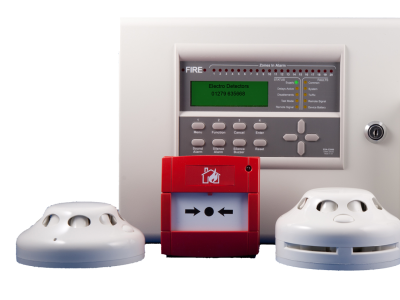
Types of Fire Alarm Detectors: Zones, Detection Principles, and Signal Methods
Fire alarm systems rely on detectors (sometimes called “fire alarm sensors” or “fire alarm initiating devices”) to identify early signs of a possible blaze. Detectors are commonly categorized by:Detection Principle: Smoke, Heat, or FlameZone of Detection: Spot (point), Linear, or VolumetricMethod of..
Read article
Guide 14/01/2025
257
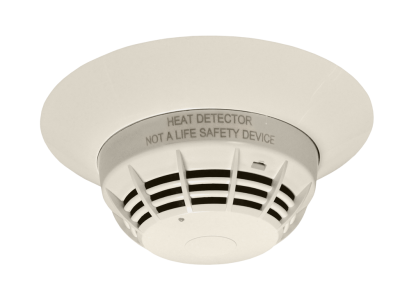
Smoke & Heat Detectors for Fire Alarm Systems
Fire alarm systems hinge on specialized sensors—often called “detectors”—that look for early signs of a blaze: heat, smoke, or open flame. These sensors are also critical in automatic fire suppression setups. While there are multiple detector types, the most common are:Smoke DetectorsHeat DetectorsF..
Read article

Guide 14/01/2025
231
Glass-Break Sensors: Acoustic Detection, Installation & Best Practices
Protecting windows against break-ins can be challenging—especially since intruders often focus on smashing or removing glass to gain access. Acoustic glass-break sensors detect the unique sound profile of shattering windows, triggering alarms at the first sign of forced entry. While older methods re..
Read article
Guide 14/01/2025
258
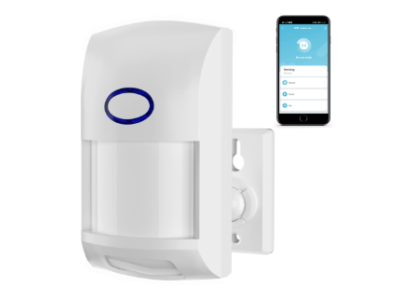
Wireless Alarm Sensors for Motion, GSM, and Fire Detection
Wireless sensors (often referred to as “wireless detectors”) play a critical role in both security and fire alarm systems. While they’re more prevalent in security setups—especially for residential and commercial intrusion detection—they are also used for smoke and heat detection in fire safety. Thi..
Read article
Guide 14/01/2025
272
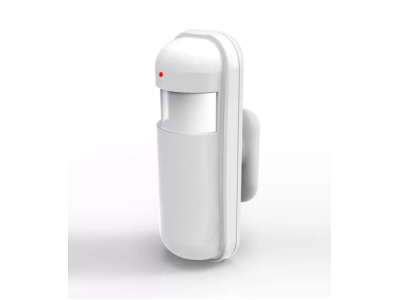
Volumetric Security Sensors: Infrared, Ultrasonic, and Microwave
IntroductionIn security systems, the term “volumetric sensor” is somewhat misleading, since these devices do not measure volume per se. Instead, they detect movement within a predefined three-dimensional space (often with a 90° coverage angle, both horizontally and vertically). Essentially, a “volum..
Read article
Showing 433 to 456 of 748 (32 Pages)