
DIY Electrical Installation: Comprehensive Guide for Homes, Apartments, and Cottages

DIY Electrical Installation: Comprehensive Guide for Homes, Apartments, and Cottages

Introduction to DIY Electrical Installation

Embarking on DIY electrical installation projects in your home, apartment, or cottage is entirely feasible with the right knowledge and precautions. However, it requires a fundamental understanding of electricity, adherence to safety protocols, and compliance with electrical standards and regulations. This guide provides the essential theoretical information and practical advice needed to undertake electrical work safely and effectively.

Essential Knowledge for DIY Electrical Work

Before attempting any electrical installation, it’s crucial to grasp the basics of electricity, including the laws that govern it, the parameters and characteristics of electrical equipment, and the materials used in electrical installations. Familiarize yourself with the regulatory requirements outlined in standards such as the Russian "Rules for Electrical Installations" (PUE) and the International Electrotechnical Commission (IEC) standards, which modern PUE requirements closely align with.

Permitted DIY Electrical Tasks in the USA

In the USA, homeowners are allowed to perform certain electrical tasks without the need for permits or inspections, provided they comply with local building codes and safety regulations. Permissible tasks include:

  • Replacing or Repairing Outlets and Switches: Swapping out old outlets and switches with new ones.
  • Repairing Sections of Electrical Wiring: Fixing or replacing damaged wiring within existing circuits.
  • Installing New Light Fixtures, Outlets, and Switches: Adding new lighting fixtures or additional electrical outlets to existing circuits.

Other tasks, such as installing new circuits or significant electrical upgrades, typically require permits and must be performed by licensed electricians.

Safety and Electrical Compliance

When performing any electrical work, prioritize safety and compliance to prevent accidents and ensure the longevity and reliability of your electrical systems. Key safety measures include:

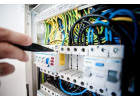
  • Personal Safety: Always turn off the power at the main electrical panel before starting any work. Use an insulated screwdriver and tools with insulated handles to reduce the risk of electric shock.
  • Electrical Safety: Ensure all connections are secure and properly insulated. Avoid overloading circuits by adhering to the rated capacity of breakers and outlets.
  • Fire Safety: Use the correct wire gauge for your electrical load and ensure all connections are tight to prevent overheating and potential fires. Install appropriate circuit breakers and Ground Fault Circuit Interrupters (GFCIs) where necessary.

Basic Safety Techniques

  • De-Energize Circuits: Always disconnect power to the circuit you’re working on using the main breaker panel.
  • Verify Power is Off: Use a non-contact voltage tester or multimeter to confirm that the circuit is de-energized before touching any wires.
  • Use Insulated Tools: Employ tools with insulated handles to protect against accidental shocks.
  • Work in a Dry Environment: Ensure your workspace is dry to minimize the risk of electric shock.

Electrical and Fire Safety Best Practices

To mitigate the risks associated with electrical work, adhere to the following best practices:

  • Proper Wire Selection: Use wires with the appropriate insulation, material, and gauge to handle the intended electrical load.
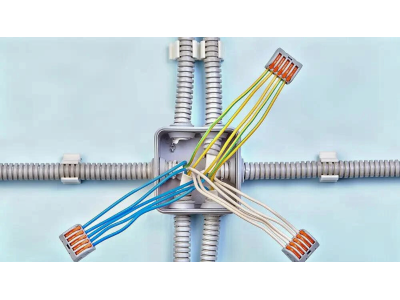
  • Quality Electrical Components: Invest in high-quality switches, outlets, and junction boxes rated for your electrical requirements.
  • Secure Connections: Ensure all wire connections are tight and secure to prevent arcing and overheating.
  • Protective Devices: Install circuit breakers and GFCIs to provide overcurrent protection and prevent electrical fires and shocks.
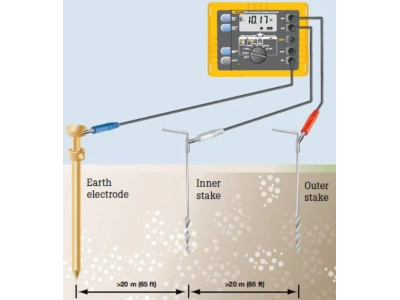
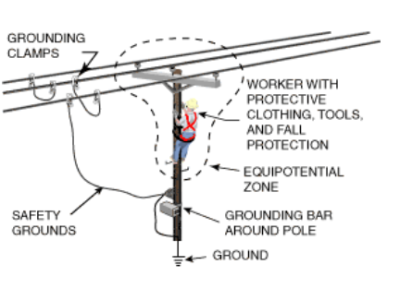
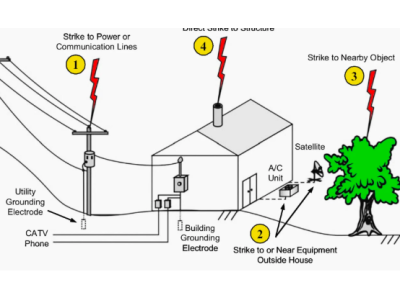
  • Grounding: Properly ground all electrical systems to protect against electrical faults and reduce the risk of fire.

Planning Your DIY Electrical Project

Successful DIY electrical installation requires meticulous planning and adherence to standards. Follow these steps to ensure a safe and effective project:

  1. Design and Planning:

    • Assess Needs: Determine the scope of your electrical project, including the number of outlets, switches, and fixtures you plan to install.
    • Create a Diagram: Sketch a layout of your electrical system, indicating the placement of all components and the routing of wires.
    • Check Codes: Review local electrical codes and regulations to ensure your project complies with all safety standards.
  2. Gathering Materials:

    • Electrical Tools: Ensure you have the necessary tools, including wire strippers, screwdrivers, voltage testers, and multimeters.
    • Quality Components: Purchase high-quality electrical outlets, switches, wiring, and protective devices that meet the required specifications.
  3. Execution:

    • Follow the Diagram: Adhere strictly to your electrical diagram to ensure proper installation and functionality.
    • Secure Connections: Make sure all electrical connections are tight and properly insulated to prevent hazards.
    • Double-Check Work: Before restoring power, review all connections and installations to ensure they are correct and safe.
  4. Testing and Verification:

    • Power On: Carefully restore power to the electrical system.
    • Test Functionality: Verify that all installed outlets, switches, and fixtures operate correctly.
    • Monitor for Issues: Keep an eye out for any signs of malfunction, such as flickering lights or tripped breakers, and address them promptly.

When to Seek Professional Help

While DIY electrical work can be rewarding and cost-effective, certain tasks should always be handled by licensed electricians to ensure safety and compliance:

  • Installing New Circuits: Adding new circuits to your electrical panel often requires professional expertise.
  • Upgrading Electrical Panels: Modernizing or expanding your electrical panel should be done by professionals to meet current safety standards.
  • Handling Complex Wiring: Projects involving complex wiring configurations or high-voltage installations necessitate professional intervention.

Conclusion

DIY electrical installation in your home, apartment, or cottage is achievable with the right knowledge, tools, and adherence to safety protocols. By understanding the basics of electricity, following safety guidelines, and complying with electrical standards, you can successfully undertake a variety of electrical projects. However, always recognize your limits and seek professional help for complex or high-risk tasks to ensure a safe and reliable electrical system.

At safsale.com, we provide a wide range of high-quality electrical components and tools to support your DIY projects. Equip yourself with the right materials and knowledge to create a safe and efficient electrical system in your living space. For more information and to explore our selection of electrical products, visit safsale.com


How to Measure Grounding Resistance: Methods, Documentation, and FAQ
25/02/2025 86
How to Measure Grounding Resistance: Methods, Documentation, and FAQ
Grounding Resistance Measurement: Testing Methods and GuidelinesWhy Is Grounding Resistance Testing Important?Grounding is one of the most critical safety features in electrical systems, preventing electrical shock hazards and protecting equipment from power surges and faults.A properly installed gr..
Types of Grounding Systems: TN, TT, and IT Explained
25/02/2025 84
Types of Grounding Systems: TN, TT, and IT Explained
Grounding Systems: TN, TT, and IT Schemes and ApplicationsGrounding is one of the most crucial technical measures for ensuring electrical safety in power installations.The purpose of grounding is to connect non-live metal parts of electrical equipment to grounding devices, preventing electric shock ..
How to Properly Install a Grounding System in a Private House
25/02/2025 93
How to Properly Install a Grounding System in a Private House
Grounding in a Private House: Installation and Safety StandardsWhy Is Grounding Important?Grounding is a critical safety measure that minimizes touch voltage risks and protects electrical systems from faults.Many homeowners recognize the importance of having a proper grounding system on their proper..
Grounding System: How It Works, Installation, and Maintenance
25/02/2025 84
Grounding System: How It Works, Installation, and Maintenance
Grounding System: Proper Setup and Safety GuidelinesWhat Is a Grounding System?A grounding system is a network of conductive components that electrically connect devices and equipment to the earth.It consists of metal conductors buried in the ground, providing a safe path for electrical currents in ..
How to Properly Ground a Washing Machine and Ensure Electrical Safety
25/02/2025 87
How to Properly Ground a Washing Machine and Ensure Electrical Safety
Washing Machine Grounding: Protection Methods and Mistakes to AvoidWhy Does a Washing Machine Need Grounding?Modern washing machines are designed to be connected to a properly grounded electrical system. However, many older homes in the U.S. still use a two-wire TN-C system without a dedicated groun..
How to Achieve Proper Grounding in Your Apartment
25/02/2025 81
How to Achieve Proper Grounding in Your Apartment
If your apartment lacks a dedicated yellow-green grounding wire, don’t panic. While properly grounding outlets significantly enhances safety when using electrical devices, there are effective alternatives to achieve protection—even in systems without a separate ground wire. In many cases, grounding ..
How to Install Grounding: A Step-by-Step Guide
25/02/2025 89
How to Install Grounding: A Step-by-Step Guide
What Is Grounding and Why Is It Essential?Grounding is a critical safety system that connects electrical equipment and structures to the earth to prevent electric shock, protect equipment, and ensure stable operation.Why is proper grounding necessary?✔ Prevents electric shocks – Redirects dangerous ..
Protective Grounding: How It Works and Why It’s Essential
25/02/2025 74
Protective Grounding: How It Works and Why It’s Essential
What Is Protective Grounding?Protective grounding is a safety system designed to prevent electric shock and divert fault currents safely into the ground. It ensures that metal components of electrical devices remain at a safe potential, reducing the risk of accidental electrocution.Why Is Protective..
What Is Electrical Grounding and Why Is It Important?
25/02/2025 92
What Is Electrical Grounding and Why Is It Important?
What Is Electrical Grounding and Why Does It Matter?Electrical grounding is a safety system that connects metal parts of electrical devices and installations to the ground. This prevents dangerous voltage buildup and protects people and appliances from electric shock or damage.Why Do You Need Ground..
Electrical Junction Boxes: What They Are and How to Find Them
25/02/2025 78
Electrical Junction Boxes: What They Are and How to Find Them
What Is an Electrical Junction Box?An electrical junction box (also called a splice or distribution box) is a critical component in home electrical systems. It serves as a hub for wire connections, ensuring safe distribution of power across multiple circuits.These boxes help to:✔ Connect electrical ..
Best Ways to Secure Electrical Wires to a Wall: No-Drill & Drilling Methods
25/02/2025 73
Best Ways to Secure Electrical Wires to a Wall: No-Drill & Drilling Methods
How to Secure Electrical Wires to a WallWhen running electrical wiring along walls, choosing the right fastening method ensures safety, durability, and a neat installation.There are two primary methods to attach electrical cables to a wall:1️⃣ No-Drill Methods – Adhesive clips, thermal glue, and dou..
Outdoor Electrical Wiring: Choosing the Right Cable and Protection Methods
25/02/2025 74
Outdoor Electrical Wiring: Choosing the Right Cable and Protection Methods
Understanding Outdoor Electrical WiringUnlike indoor wiring, outdoor electrical installations must withstand harsh environmental conditions, including:Temperature fluctuationsRain, snow, and humidityUV exposureWind, ice, and mechanical stressBecause of these challenges, selecting weather-resistant m..
Underground Cable Installation in Trenches: Regulations and Best Practices
25/02/2025 77
Underground Cable Installation in Trenches: Regulations and Best Practices
Why Choose Underground Cable Installation?Underground cable installation is widely used for urban electrical grids, industrial facilities, and residential connections. Despite requiring extensive excavation and installation efforts, it offers superior cable protection and preserves the aesthetics of..
Cable Installation in Pipes: Types, Best Practices, and Safety Guidelines
25/02/2025 123
Cable Installation in Pipes: Types, Best Practices, and Safety Guidelines
Why Use Pipes for Cable Installation?The installation of electrical wiring inside protective conduits is a widely used method for ensuring cable safety and longevity. Whether for indoor or outdoor applications, electrical pipes serve as a protective barrier, shielding cables from mechanical damage, ..
Best Practices for Cable Tray Installation: Safety, Efficiency, and Compliance
25/02/2025 84
Best Practices for Cable Tray Installation: Safety, Efficiency, and Compliance
Why Use Cable Trays for Electrical Installations?Cable trays provide a structured and safe way to route electrical wiring, particularly in commercial and industrial environments. They are used to organize, protect, and support power and data cables across buildings, factories, and outdoor installati..
How to Conceal Wiring Through Walls for a Safe, Clean Look
25/02/2025 109
How to Conceal Wiring Through Walls for a Safe, Clean Look
Concealing electrical wiring by running cables through walls is a common practice that requires careful planning and execution. Whether you’re updating an older home or working on a new build, following proper guidelines is essential for electrical safety and long-term reliability. In many projects ..
How to Hide Wires on Your Wall Beautifully
25/02/2025 127
How to Hide Wires on Your Wall Beautifully
When it comes to concealing wires on a wall, many homeowners ask, "How can I hide my wires beautifully?" It sounds simple, but the internet is awash with trendy yet sometimes risky design tips from so-called “designers.” At safsale.com, we know that proper cable concealment isn’t just about aestheti..
Effective Methods for Connecting Electrical Wires
25/02/2025 138
Effective Methods for Connecting Electrical Wires
Connecting electrical wires correctly is crucial to ensure safety, efficiency, and reliability in any power or signal system. A well-executed connection guarantees minimal resistance and long-term stability, reducing risks of overheating and fire hazards. Below are popular methods for joining wires,..
Cables vs. Wires – Understanding the Differences and Choosing the Right Option
25/02/2025 76
Cables vs. Wires – Understanding the Differences and Choosing the Right Option
In the US, the terms “cable” and “wire” often appear interchangeably when discussing electrical installations. However, these two types of conductors differ significantly in construction, purpose, and installation methods. Making the right choice depends on the environment, required load, insulation..
Copper-Aluminum Wire Connections: Methods and Key Considerations
25/02/2025 73
Copper-Aluminum Wire Connections: Methods and Key Considerations
Connecting copper and aluminum conductors in a single electrical system demands special attention to compatibility and safety requirements. Differences in physical and chemical properties of these metals can lead to electrochemical corrosion, loose contacts, and fire hazards if not handled correctly..
Copper vs. Aluminum for Electrical Wiring: Understanding the Differences
25/02/2025 75
Copper vs. Aluminum for Electrical Wiring: Understanding the Differences
In the United States, choosing between copper or aluminum conductors for electrical wiring can significantly impact safety, efficiency, and cost. Many codes and standards across the US have historically favored copper for interior wiring, but aluminum has its own advantages in certain situations. Th..
Single-Core vs. Multi-Core Wires: Which is Better for Electrical Wiring?
25/02/2025 70
Single-Core vs. Multi-Core Wires: Which is Better for Electrical Wiring?
Why Choosing the Right Wire MattersSelecting the right type of wire for electrical wiring is crucial for ensuring long-term safety, reliability, and efficiency.With so many options available, the two primary types—single-core and multi-core wires—each have their own advantages, applications, and con..
Choosing the Right Electrical Wire Insulation for Safety and Durability
25/02/2025 72
Choosing the Right Electrical Wire Insulation for Safety and Durability
Why Electrical Insulation MattersElectrical insulation is essential for ensuring the safety and longevity of electrical systems. A high-quality insulation layer prevents electric shocks, short circuits, and fire hazards.In the United States, improper or deteriorated wiring insulation is one of the l..
Choosing the Right Wires for Electrical Wiring – Best Types for Outlets, Lighting, and Wooden Homes
25/02/2025 69
Choosing the Right Wires for Electrical Wiring – Best Types for Outlets, Lighting, and Wooden Homes
Choosing the Right Wires for Electrical Wiring – Best Types for Outlets, Lighting, and Wooden HomesWhen installing electrical wiring in a home, selecting the right type of wire is just as crucial as choosing durable plumbing materials. Poor-quality wires can lead to overheating, fire hazards, or pre..
Showing 25 to 48 of 161 (7 Pages)